Gillian Hopwood, 1927–2025
Architect and photographer Gillian Hopwood, who moved from England to Nigeria in 1954 and practiced architecture with her husband, John Godwin, in Lagos for around 60 years, died on November 6, 2025. She was 97.
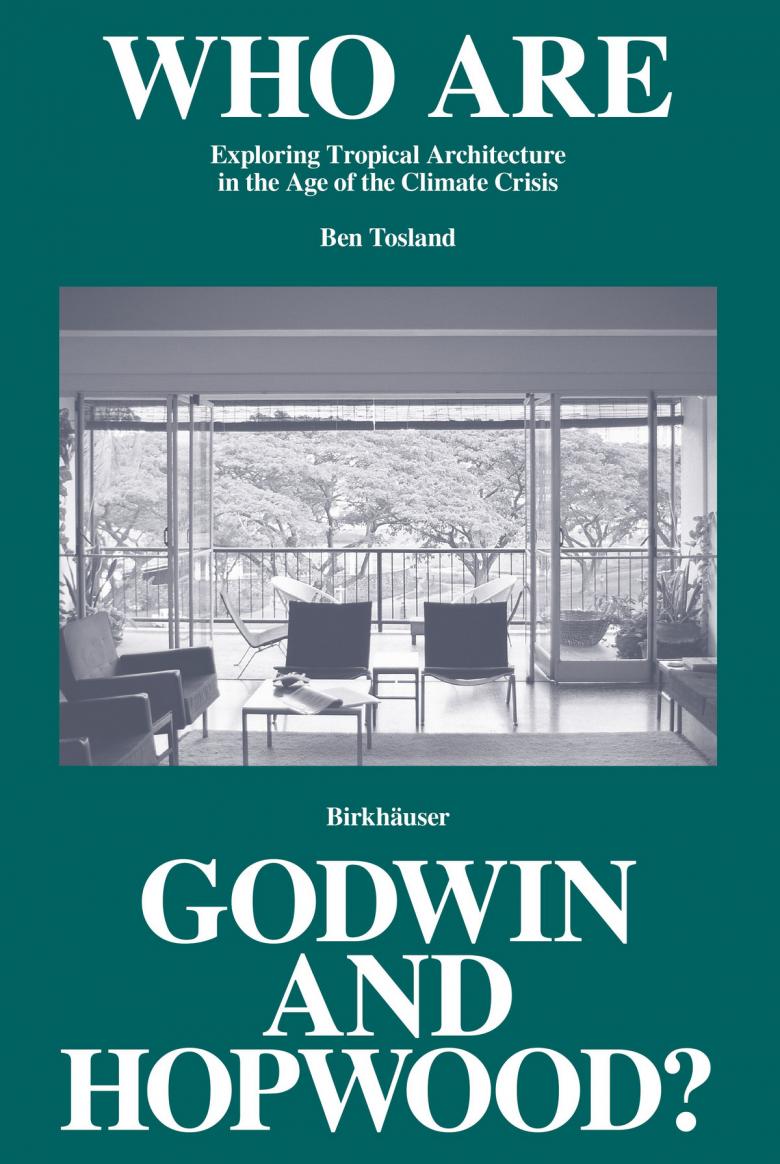
News of Gillian Hopwood's death came via this week's email newsletter from the Canadian Centre for Architecture (CCA), which holds the substantial archive of Gillian Hopwood and John Godwin. The pair donated their drawings, photographs, and other extensive materials to the institution in 2021. The CCA, it turns out, will be devoting an exhibition and publication to Godwin and Hopwood in 2027. The news made me think of Who Are Godwin and Hopwood? Exploring Tropical Architecture in the Age of the Climate Crisis, a 2024 book by architectural historian Ben Tosland that is the first monograph on the couple's practice—and whose title seems to ask the question many people outside Lagos may have.
Born in Rochdale, England, on June 27 1927, Gillian Hopwood attended the Architectural Association in London, graduating in 1950. John Godwin, born in Buckinghamshire in 1928, graduated from the AA the same year. The couple married the following year. Godwin moved to colonial Lagos in early 1954 and was soon joined by Hopwood. One year later they formed Godwin and Hopwood and stayed in Nigeria after the country's independence in 1960. Their firm was successful, designing numerous residential, industrial, education, and commercial buildings for clients both local and Western. In 1989 the firm merged with Tunde Kuye Associates to become Goodwin Hopwood Kuye, which still practices today under the name GHK Architects Limited.
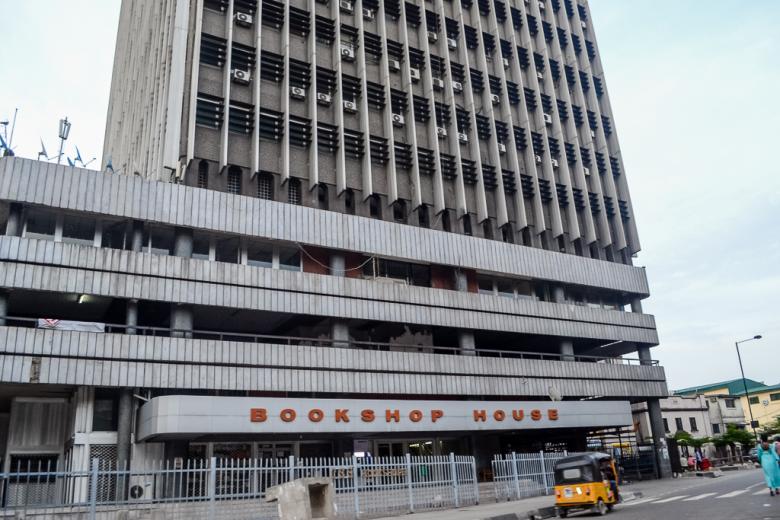
Befitting the subtitle to Tosland's book, Godwin and Hopwood designed buildings that were modern yet in tune with Nigeria's tropical climate and the lives of the people living in Lagos. Their projects for primary and secondary schools, for example, featured rectilinear volumes oriented to prevailing breezes and deep-set glass facades with tilted windows for passive ventilation. A few notable examples among the roughly 1,000 projects in their oeuvre include their own Boyle Street Residence (1956), Bookshop House on Lagos Island (1973), the WAEC Building in Lagos (1970), and the planning of the industrial Agbara Estate about 30 kilometers west of the city.
Gillian Hopwood was a passionate photographer since getting her first camera at the age of 8. Her passion continued upon moving to Lagos in 1954, even as her photos, once she developed them in a dark cupboard, had to be sent back to London to be printed. This last tidbit is found in an obituary at Legacy, the Historical and Environmental Interest Group of Nigeria, a non-governmental organization involved in the promotion and preservation of historic buildings and monuments in Nigeria, with which Hopwood was involved. Focused greatly on historic preservation, Hopwood photographed the cityscape of Lagos as much to document what was standing as what was being demolished. Six decades worth of her photos were eventually put together in the 2015 book A Photographers Odyssey: Lagos Island 1954-2014.
Together with Godwin, Hopwood made two other books: The Architecture of Demas Nwoko (2008), a monograph on the Nigerian-born artist, designer and architect Demas Nwoko, who later received the Golden Lion for Lifetime Achievement at the 2023 Venice Architecture Biennale; and Sandbank City: Lagos at 150 (with T.M. Aluko and Kunle Akinsemoyin), a sweeping history of their adopted hometown that was published in 2013. In between these two publications, in 2011, both Godwin and Hopwood were granted Nigerian citizenship, having lived in the country for nearly 60 years at the time. Godwin died in February 2023 at the age of 94, followed by Hopwood last month at the age of 97.