House in Matsusaka
Matsuzaka-city, Mie, Japan
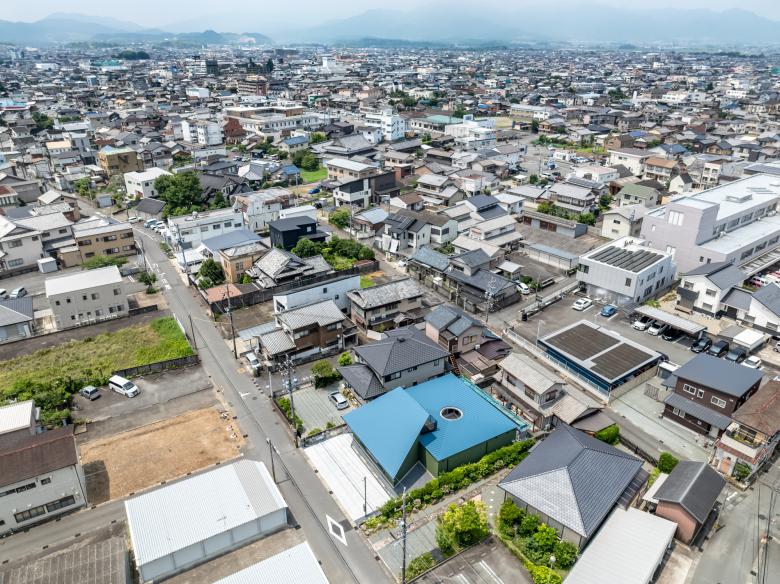
Originally, this site was a building that had been connected together: two wooden houses that had undergone four expansions and renovations, and a former office building constructed of steel frames. The haphazardly connected buildings had lost their circulation flow, featuring gloomy courtyards and worthless steps. However, approximately one year after the plan started, various circumstances required the complete demolition of the existing housing. Consequently, the project was inevitably shifted to a new construction approach.
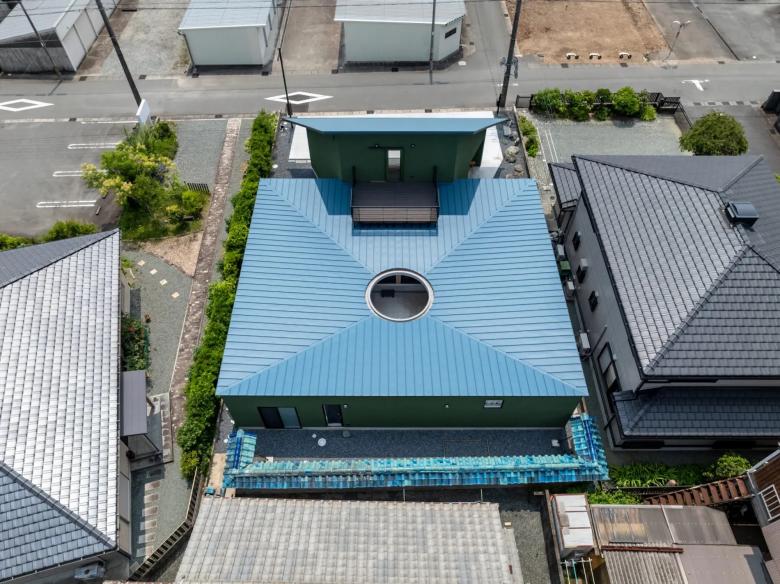
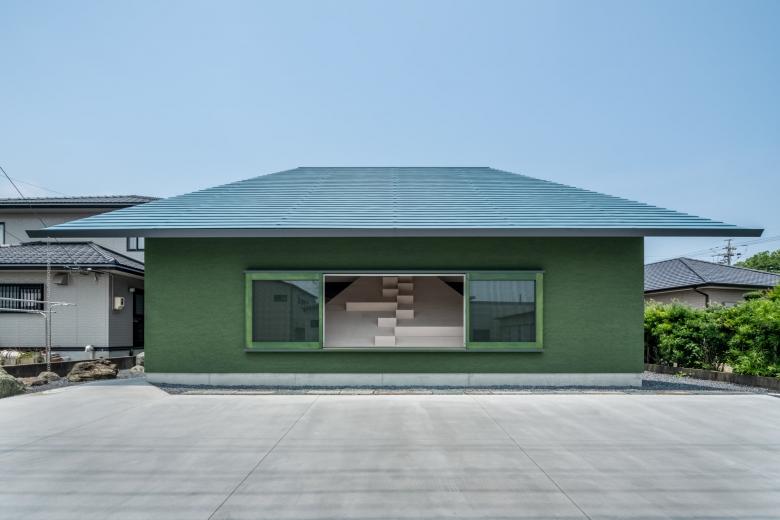
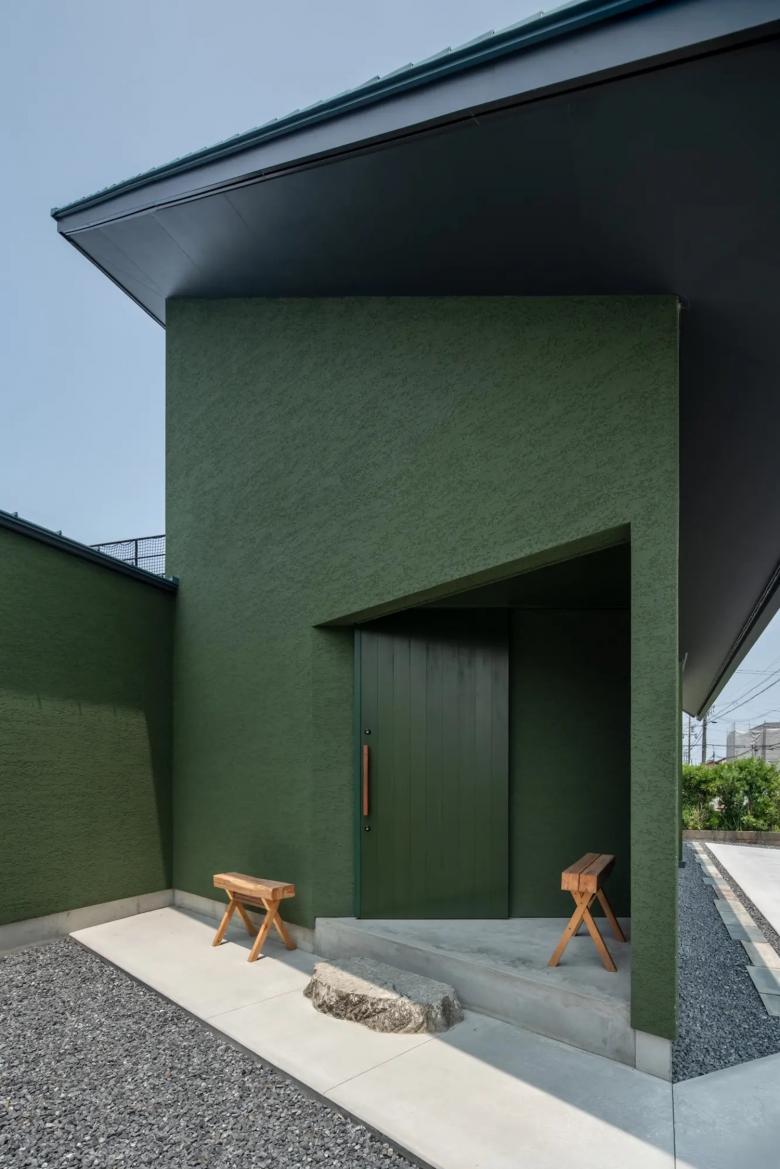
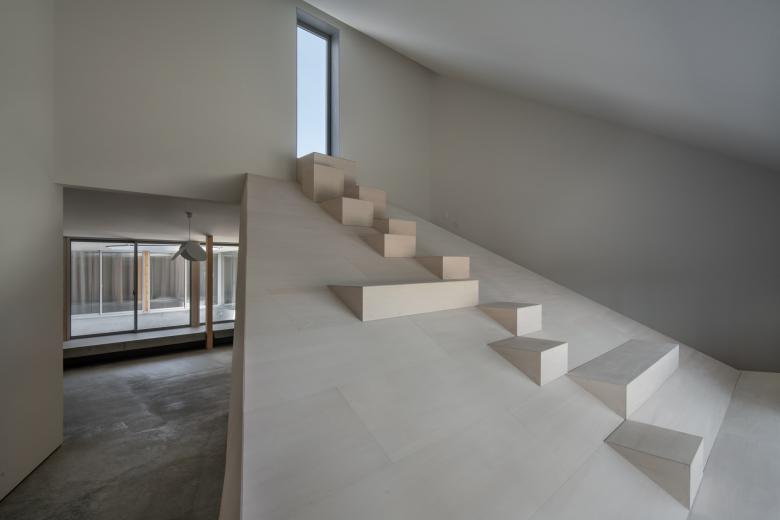
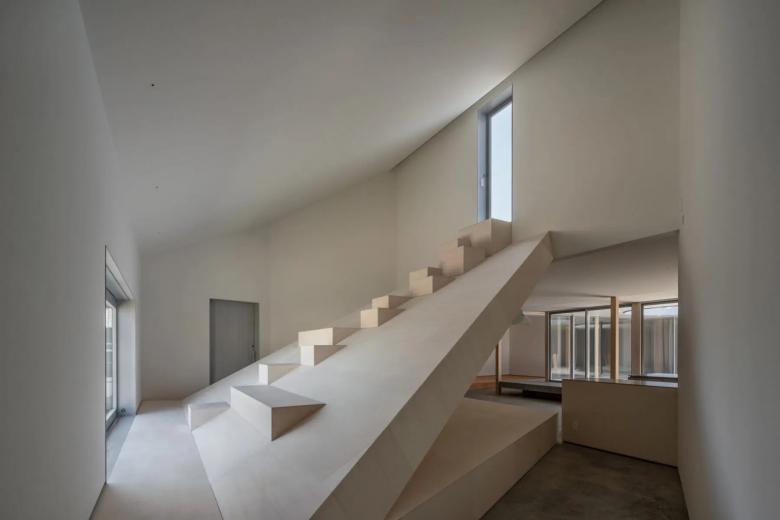
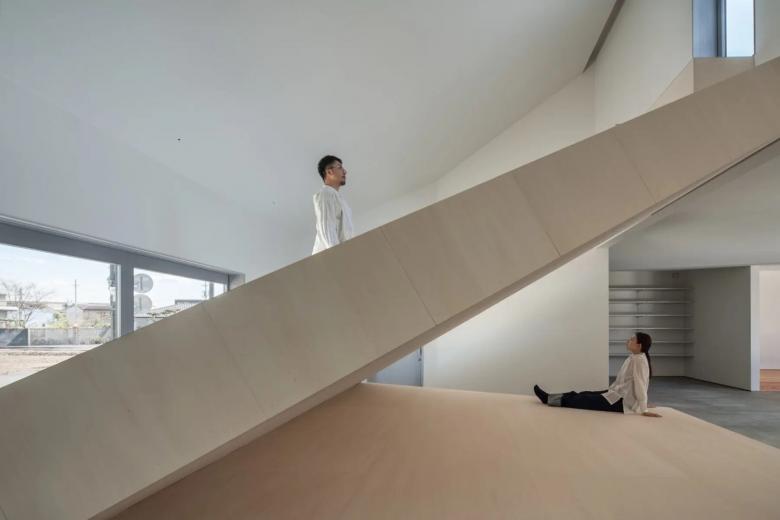
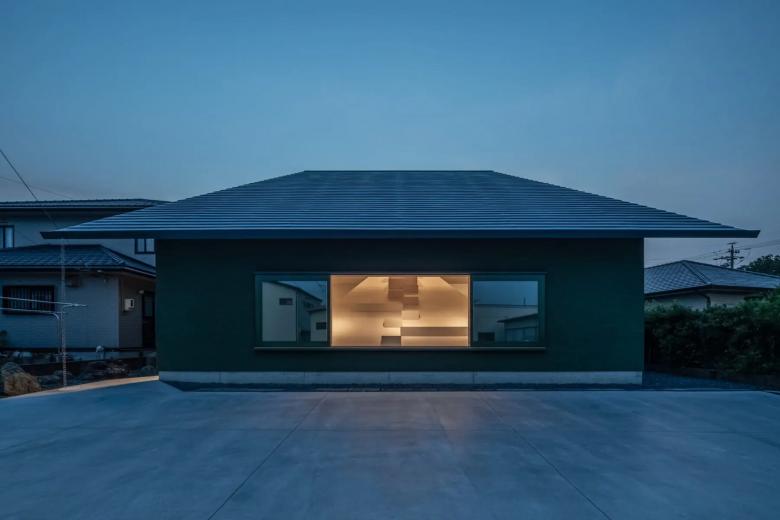
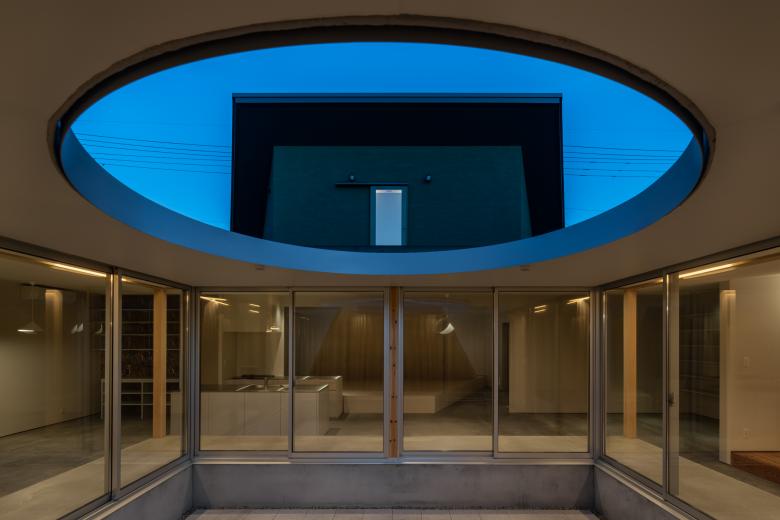
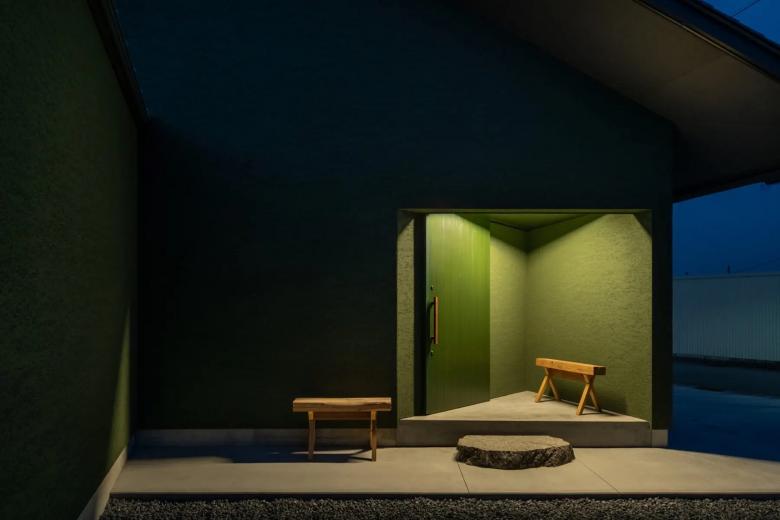
The context that supports the renovation plan and design, into which so much energy was poured, vanished. As we searched for something to rely on for our thinking, only two requests from the client became reliable anchors: “ We want to drink on the rooftop, feeling the breeze, just like we did in our previous home,” and “ We want to spend our lives bathed in sunlight.” The hall and the light garden were our response to these wishes. The slope of the hall was planed to access the rooftop. This seemingly excessive space is a spatialization of the walls that can be seen around this area, which once flourished as a town of wealthy merchants. The rear living space is set back from the road to ensure privacy and security, while also serving as the visible face of this house. We entrusted the role traditionally served by a wall to this unfunctional space.
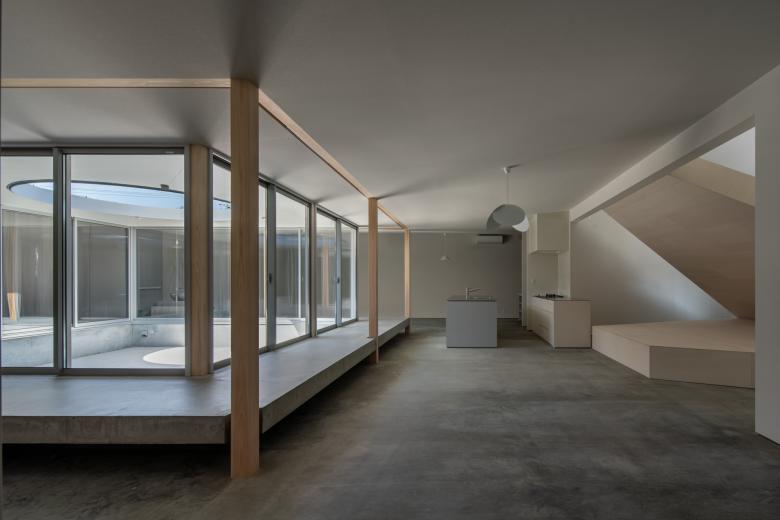
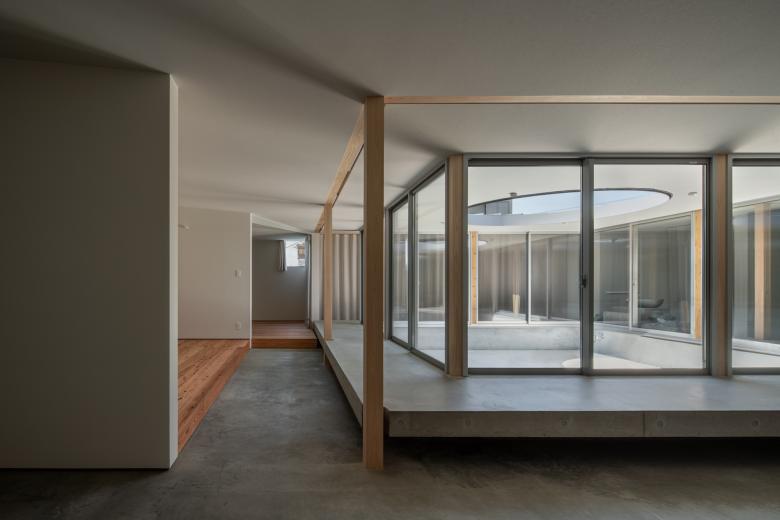
Life unfolds in the encircling corridor area behind the hall, and in the center of the space, the light garden is placed. The living room does not open directly onto a courtyard-style garden. Instead, living spaces are arranged like wrapped at the perimeter, creating spatial discipline through the porch corridor, where the gaze is attracted solely to light and its movement.
The hall and the encircling corridor area contrast in every aspect— functionality, ceiling height, and the way light enters. These two spaces are simply placed side by side, yet curiously no dissonance occurs; rather, they seem to complement each other's spatiality.
While considering new construction, we incorporated the spatial qualities from the fifth renovation plan—even though the physical features themselves did not remain. At first glance, the appearance seems unfamiliar to the site, yet the layout holds the remnants of memories that remain here. we believe there is a certain inevitability to the form that has emerged.


- Architects
- nanometer architecture
- Year
- 2025
- Project Status
- Built