Praemium Imperiale to Eduardo Souto de Moura
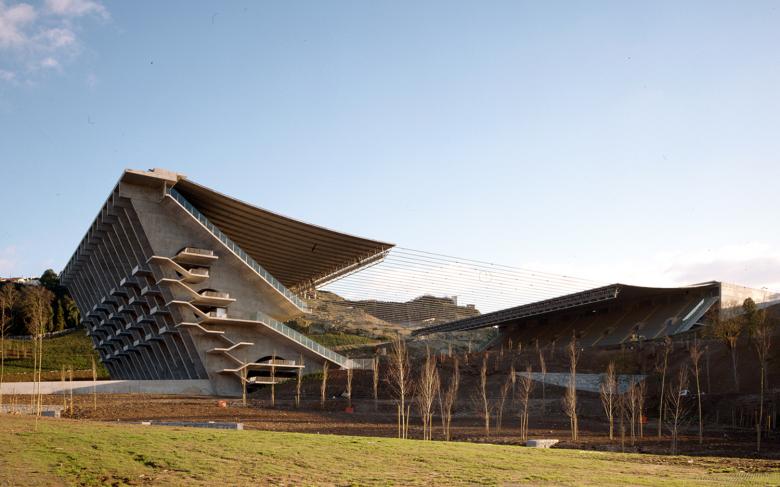
Portuguese architect Eduardo Souto de Moura has been named a recipient of Japan Art Association’s 2025 Praemium Imperiale, one of the world's most prestigious awards for architects and other artists.
The five recipients of the 36th Praemium Imperiale were announced on Tuesday, July 15, in London, Paris, Rome, Berlin, New York, and Tokyo. Per the Japan Art Association, “The artists are recognized and awarded for their international achievements in the arts and their role in enriching the global community.” The 2025 laureates are:
- Painting: Peter Doig (UK)
- Sculpture: Marina Abramović (Serbia)
- Architecture: Eduardo Souto de Moura (Portugal)
- Music: András Schiff (UK)
- Theatre/Film: Anne Teresa De Keersmaeker (Belgium)
Eduardo Souto de Moura follows Shigeru Ban from Japan, Francis Kéré from Burkina Faso and Germany, Japanese architects Kazuyo Sejima + Ryue Nishizawa / SANAA, and Australian architect Glenn Murcutt. The half-dozen recipients before the awards' one-year gap in 2020 due to the coronavirus pandemic were Tod Williams and Billie Tsien, Christian de Portzamparc, Rafael Moneo, Paulo Mendes da Rocha, Dominique Perrault, and Steven Holl.
Like Ban, Kéré, SANAA, Murcutt, de Portzamparc, and others before him, Souto de Moura is yet another architect who is a recipient of both the Praemium Imperiale and the Pritzker Architecture Prize, which he won in 2011. The Pritzker was established in 1979 while the Praemium Imperiale gave out its first prizes in 1989. Of the 36 Praemium Imperiale recipients in the architecture category, 28 of them have also garnered Pritzker Prizes.
Born in Porto in 1952, Souto de Moura attended the School of Fine Arts in Porto, first as an art student but eventually switching to architecture for his degree. He studied under Fernando Távora and then, in the 1970s, met architect Álvaro Siza, whom Souto de Moura worked alongside for five years. Then in 1980, when he won a design competition for the Casa das Artes in Porto, Souto de Moura established his own practice. He would later become a professor at the Faculty of Architecture at the University of Porto, “helping to lead the Portuguese architectural scene alongside Siza,” according to the Japan Art Association.
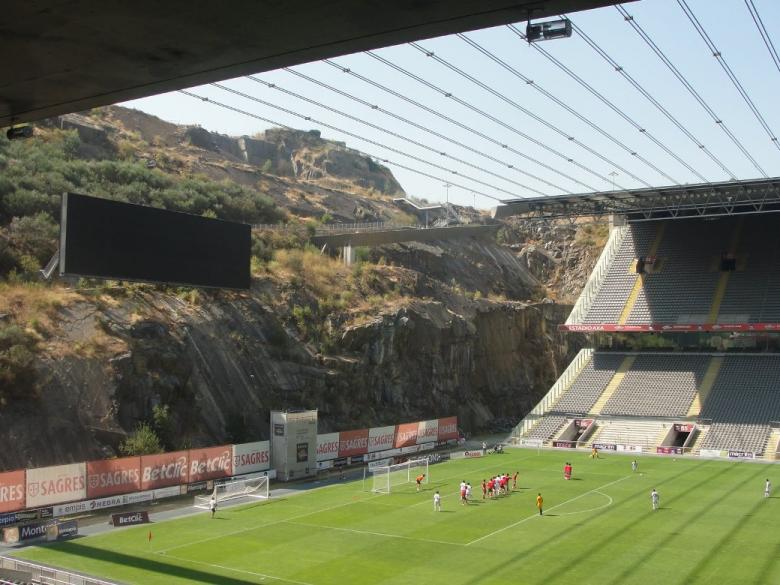
The Praemium Imperiale website features some choice quotes from Souto de Moura, including his assertion that “there is no such thing as universal architecture; everything is rooted in its place.” Those words seem to literally describe one of the architect's most celebrated projects, Estádio Municipal de Braga, the municipal stadium built in Braga in 2003. The stadium was constructed beside the rock cliffs of a former quarry—“an extraordinary feat of architecture that brought global attention for its powerful dialogue between nature and the manmade,” per the Japan Art Association.
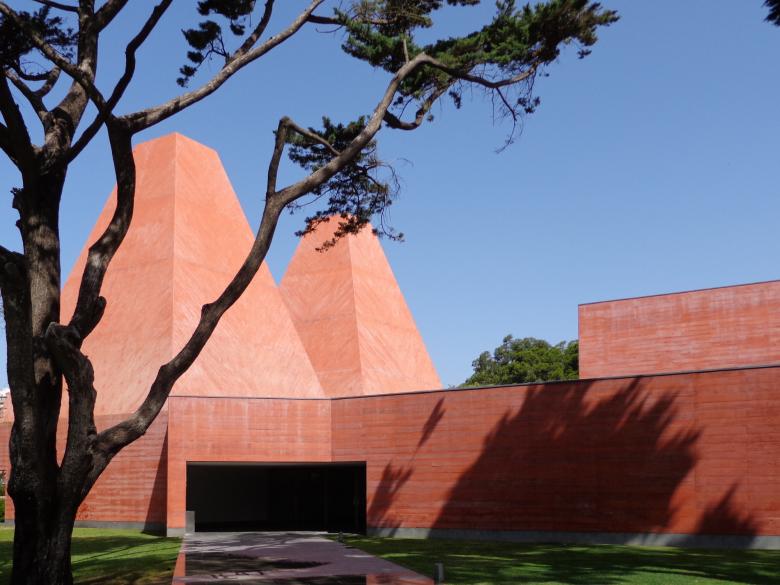
Other notable projects designed by Souto de Moura include the Cinema House Manoel de Oliveira, built in Porto in 2003; the Casa da Música Metro Station, built in Porto in 2005; the Burgo Tower, built in Porto in 2007; the Casa das Histórias Paula Rego, a museum dedicated to artist Paula Rego that was built in Cascais, on the Portuguese Riviera, in 2009; and the Clermont-Ferrand Theatre, built on the foundation of a former train station in the French city of Clermont-Ferrand in 2020.
In addition to the 2011 Pritzker Prize, Souto de Moura won a number of other awards, including the 2013 Wolf Prize in Arts, a Golden Lion at the 2018 Venice Architecture Biennale, and being honored with the Order of Arts and Letters by the French Ministry of Culture in 2024.