F_36
Fasanenstraße 36, Berlin, Germany
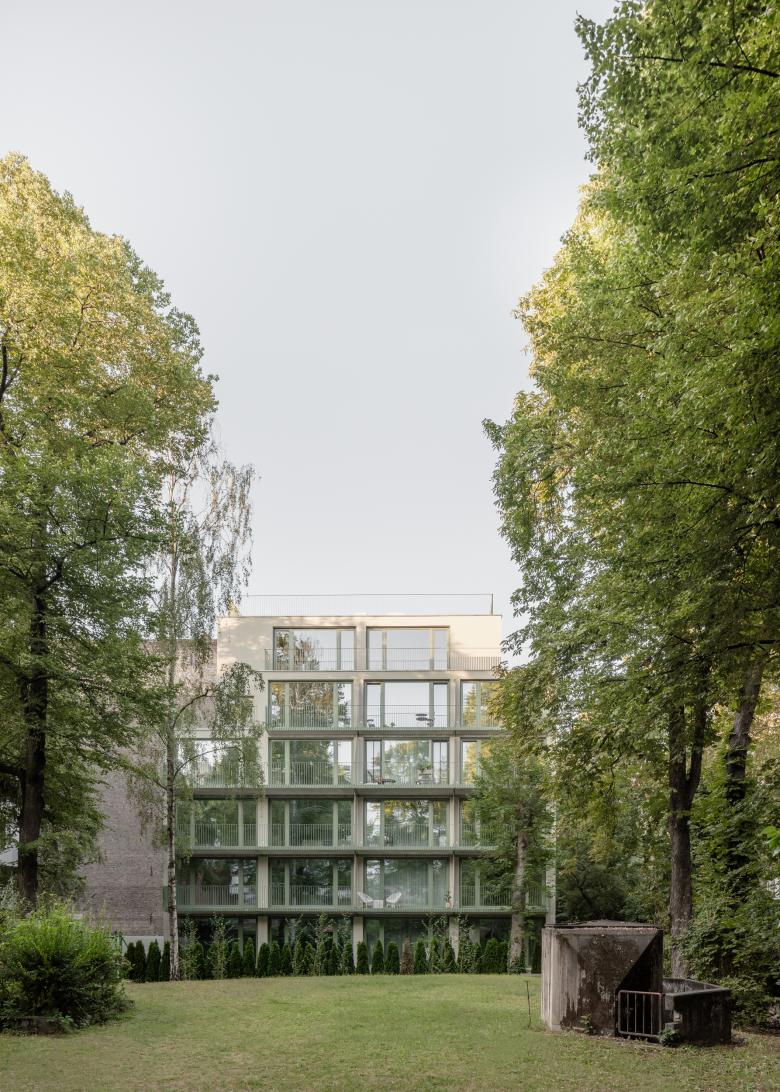
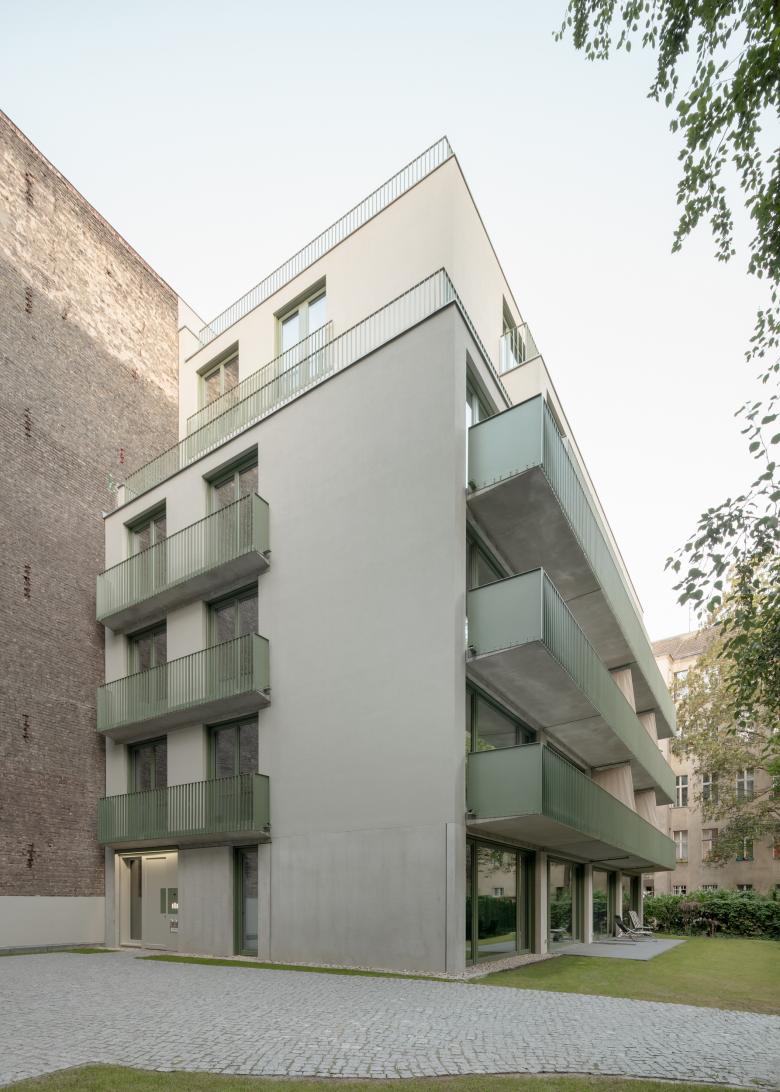
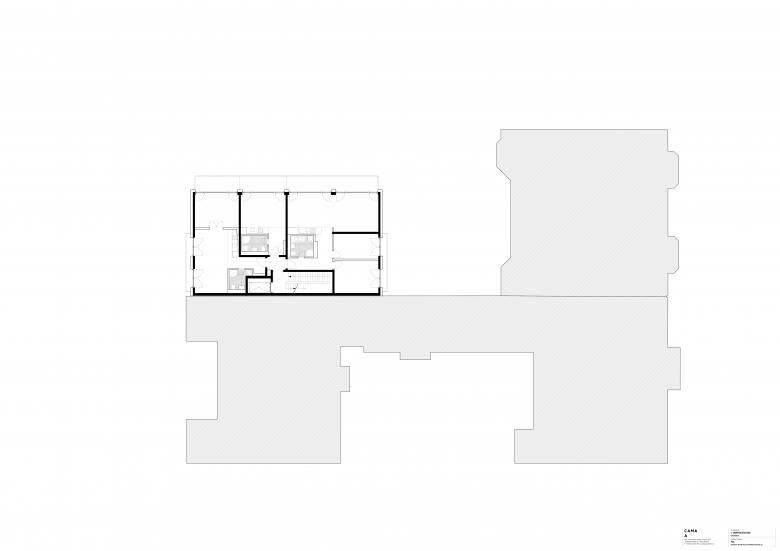
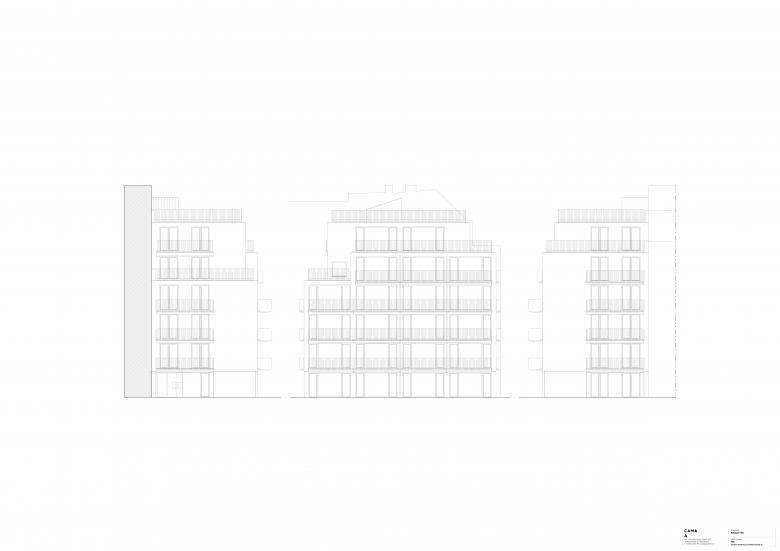
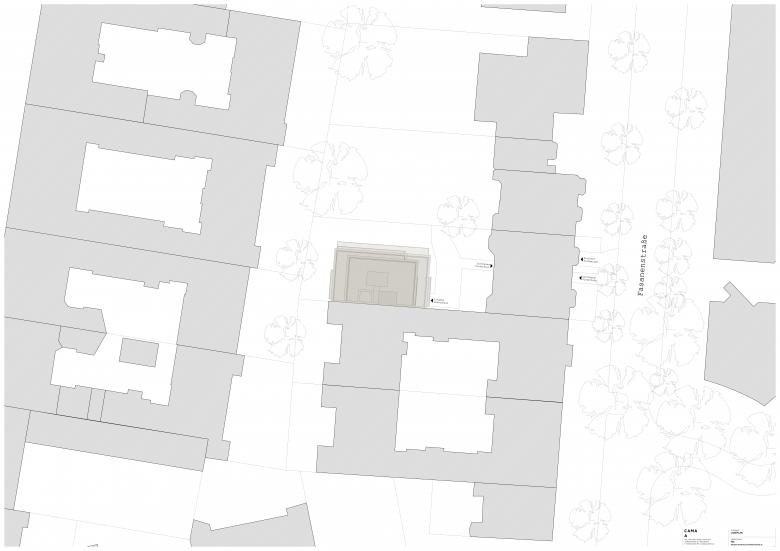
In light of the growing housing shortage and rising rents, the question of how to create additional living space in Berlin is becoming increasingly urgent. With our six-storey new building, realized on approximately 240 square meters of former garden plot on Fasanenstraße in Charlottenburg, around 1,100 square meters of new residential space have been created in the heart of the city.
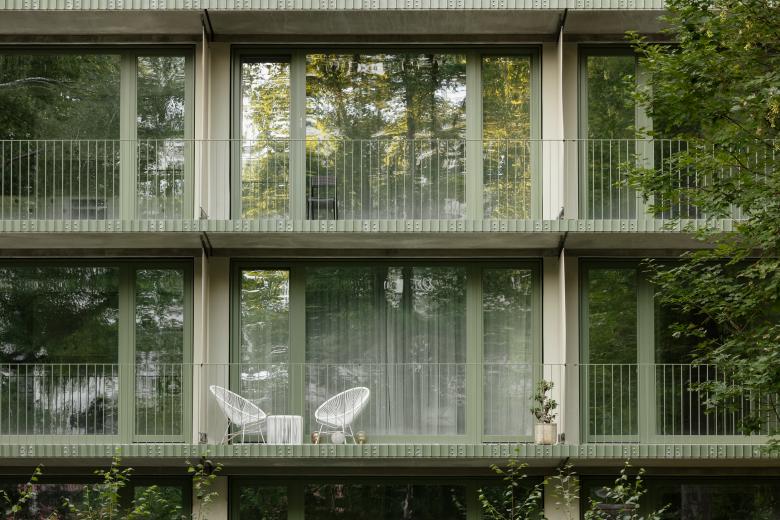
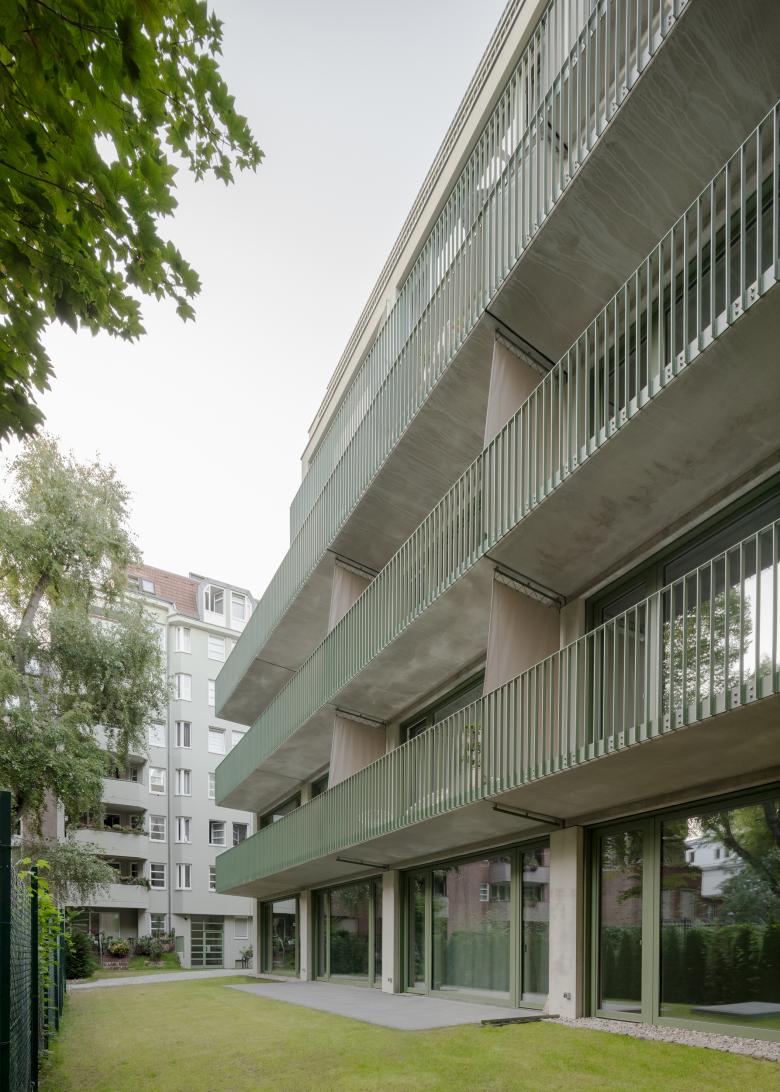
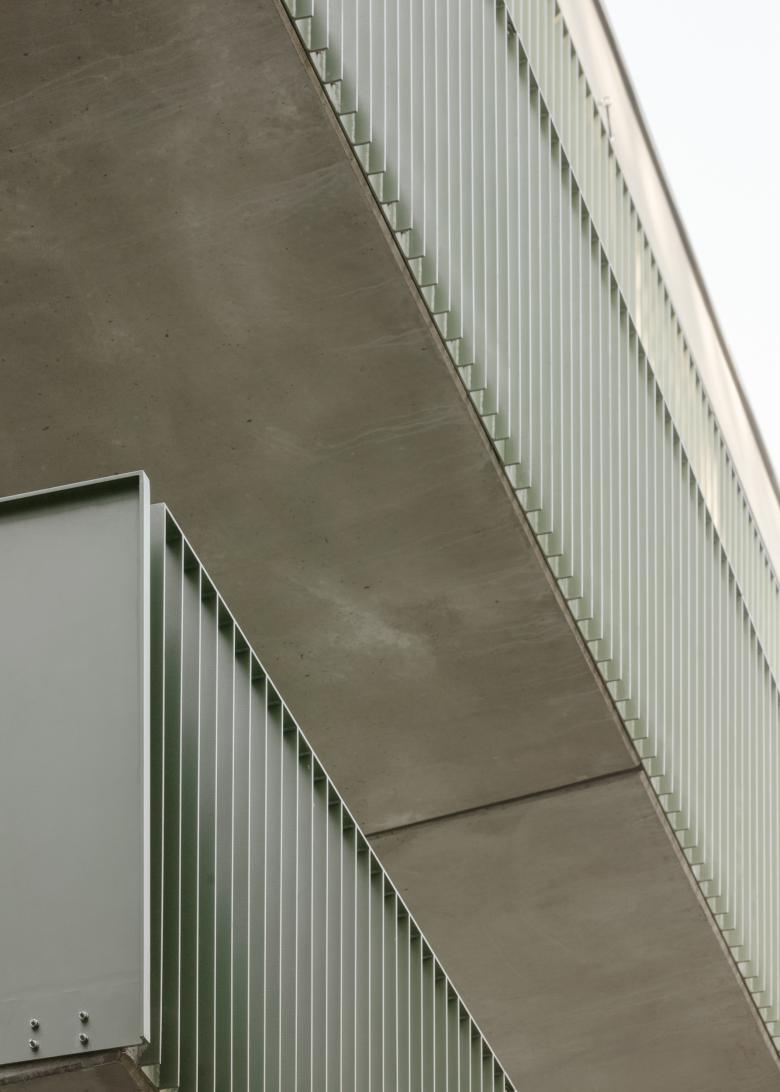
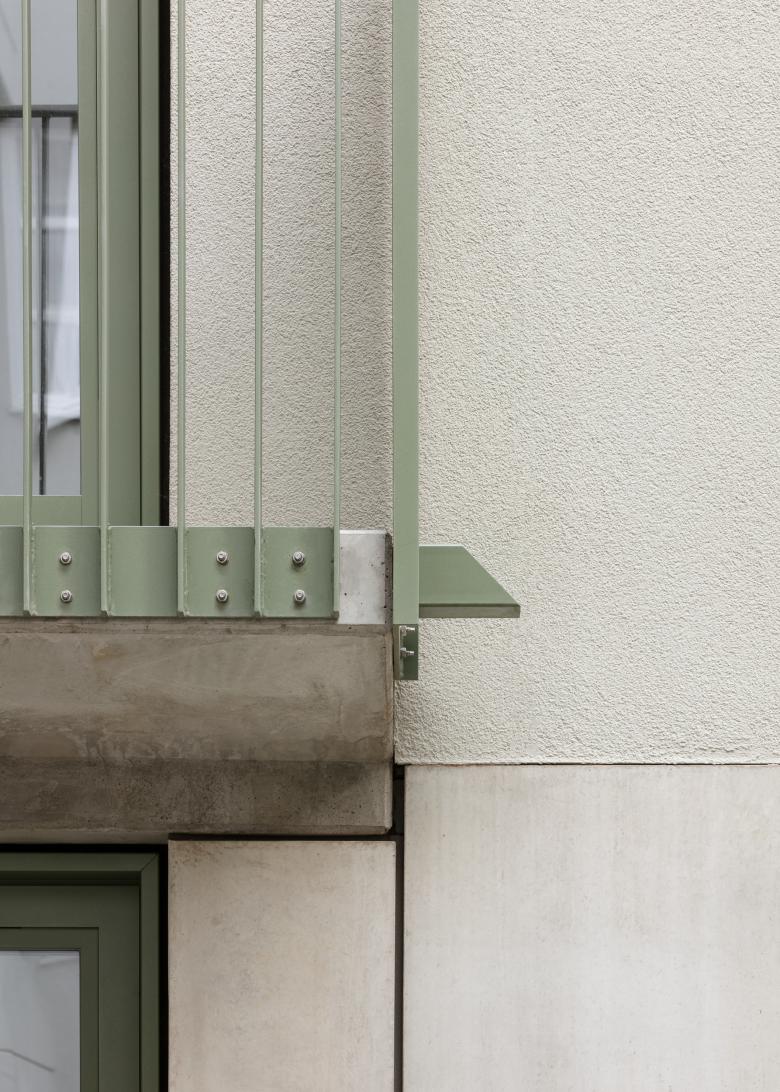
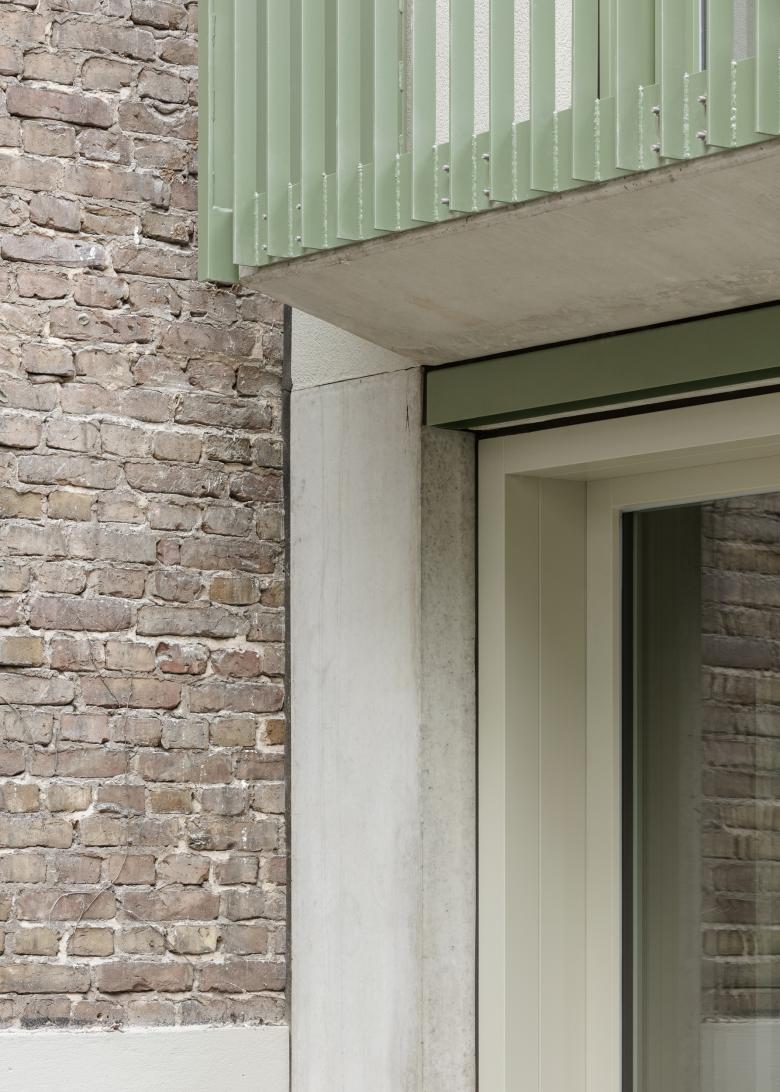
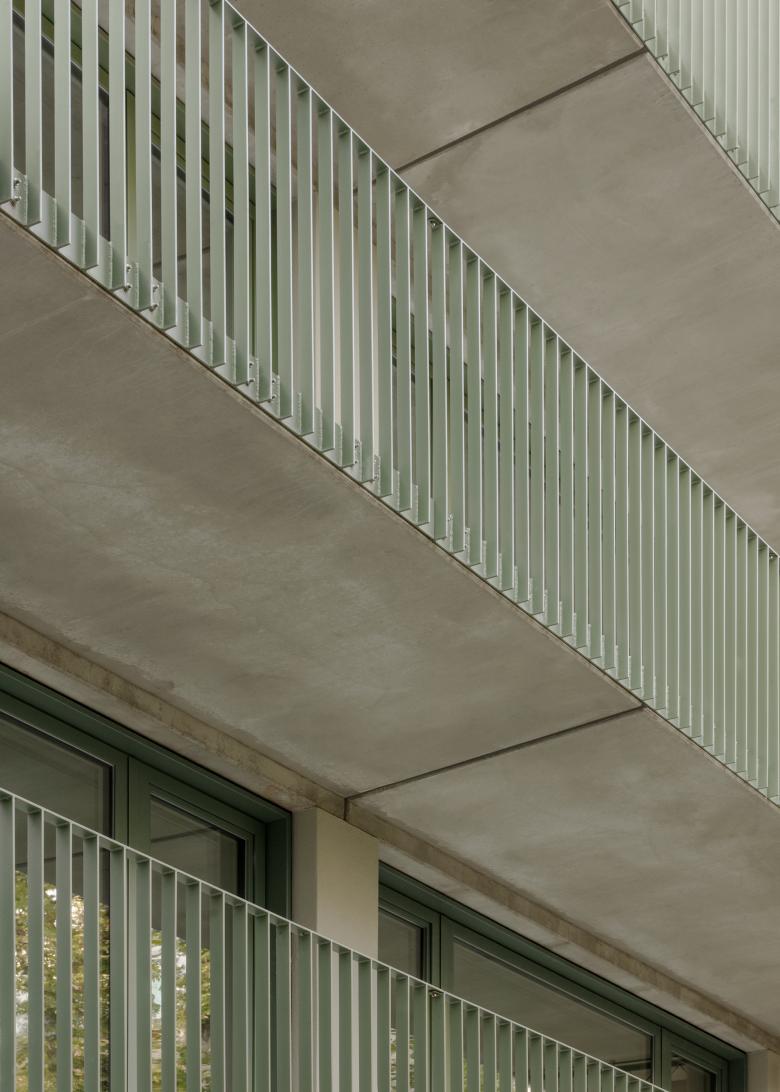
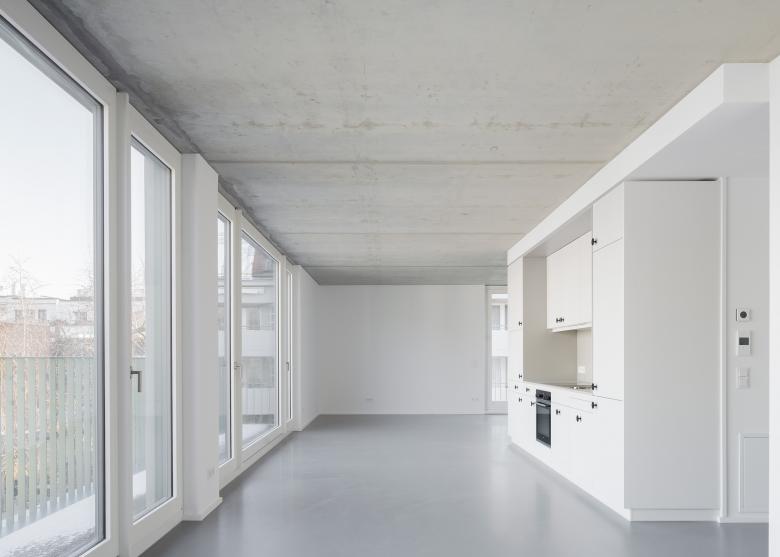
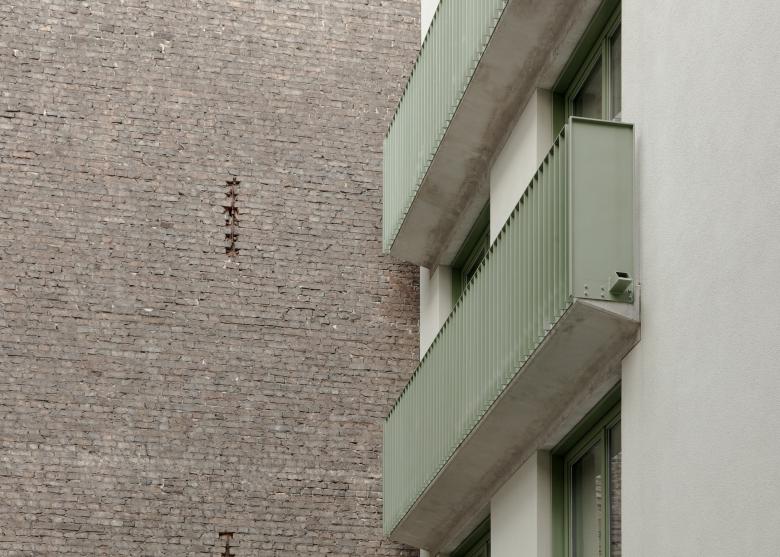
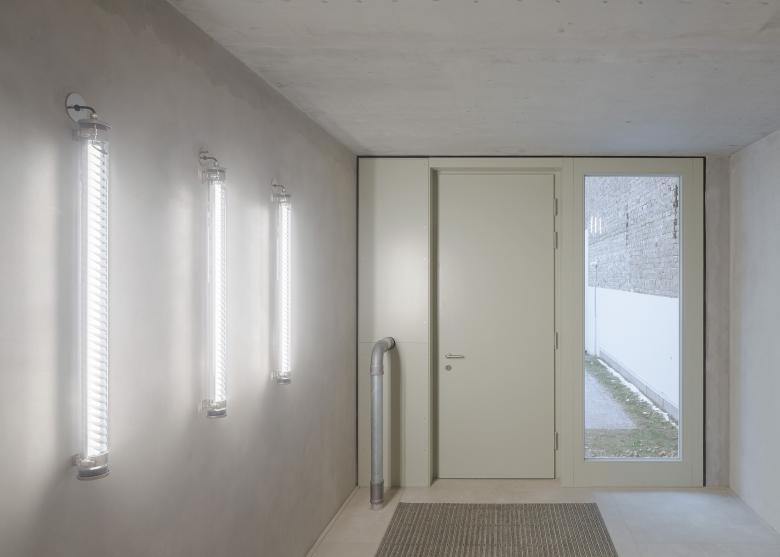
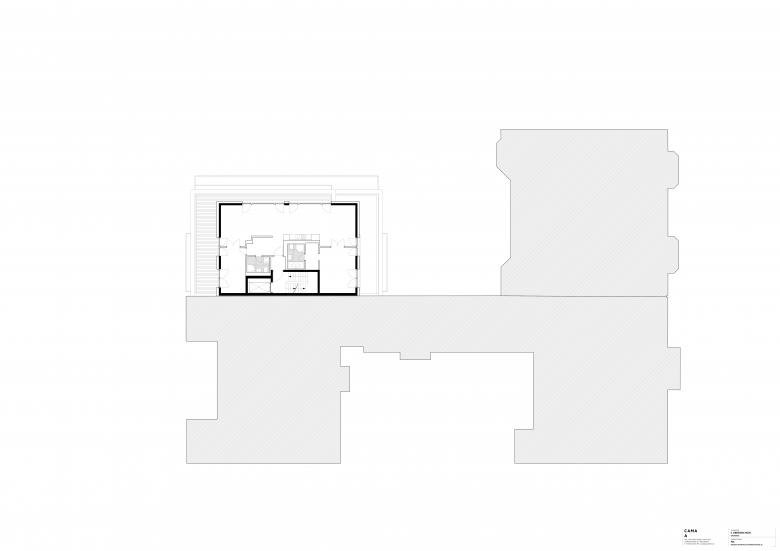
The solid construction was attached to an existing fire wall. Large windows and balconies open the building toward a park-like garden. The light grey-green plaster on the upper floors, the iron-glimmer-green metal railings and window frames, and the exposed concrete on the ground floor subtly correspond with the surrounding greenery of the trees and the brick-colored historic masonry fire wall of the neighboring building. Together with the generous glazing, these elements create a bright, airy atmosphere that continues inside the 15 apartments and the large, loft-like penthouse with a terrace and views over the city rooftops.
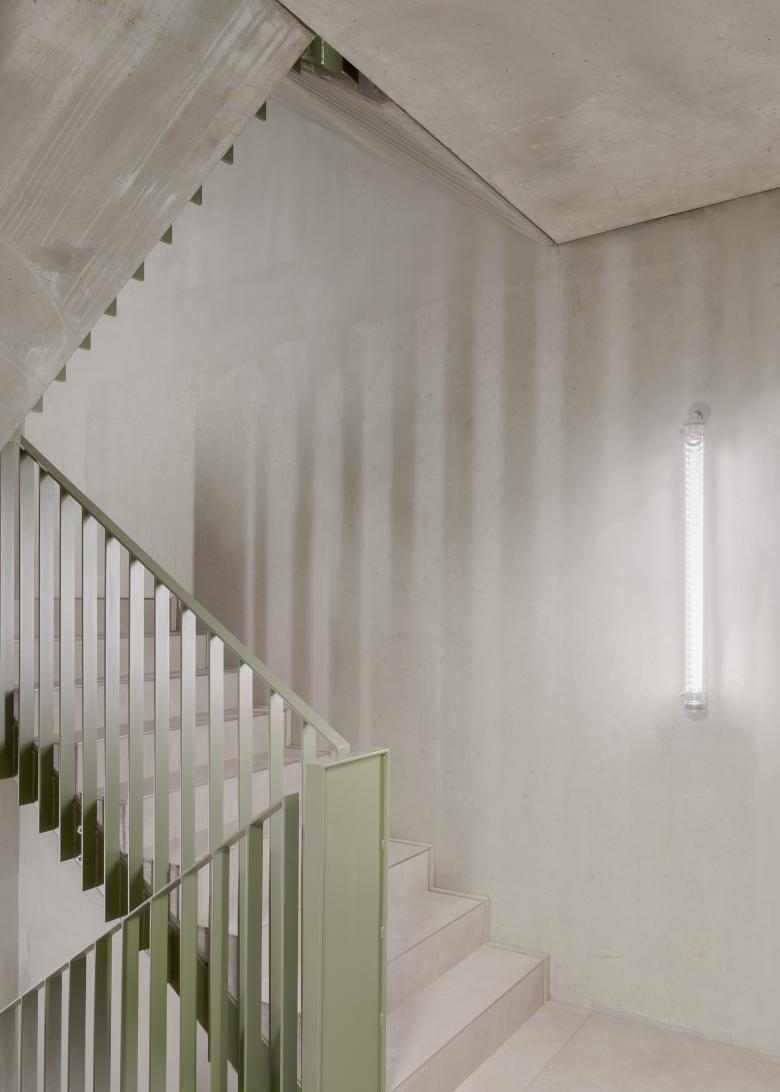
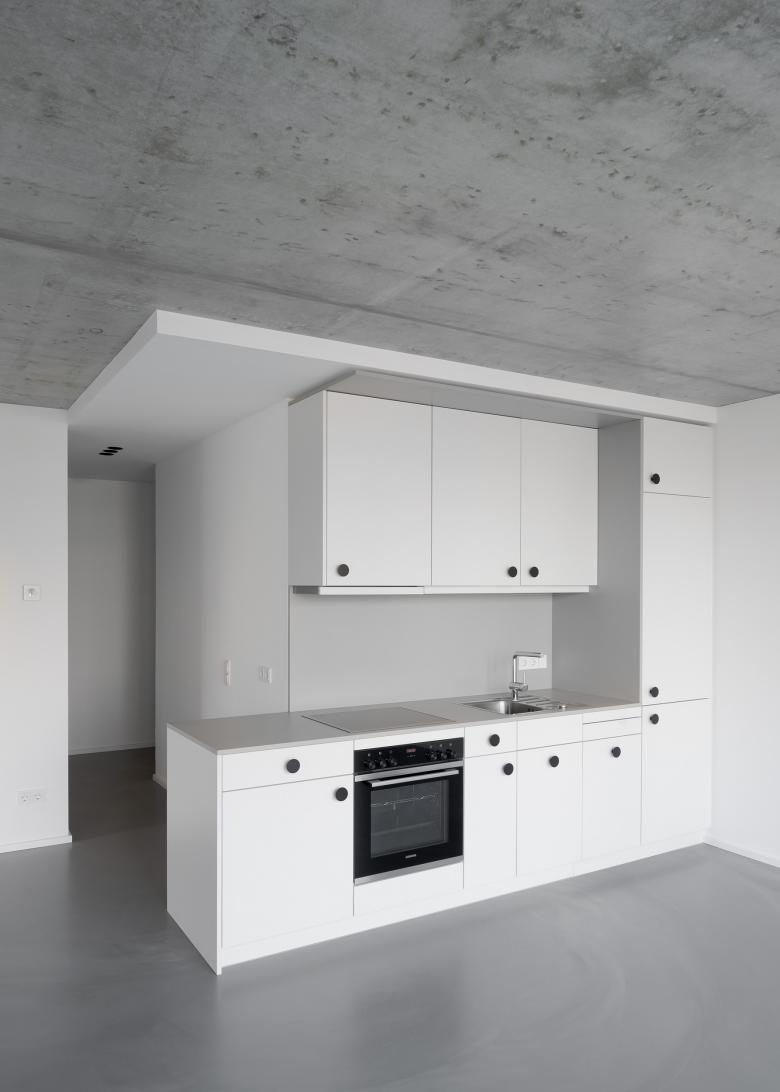
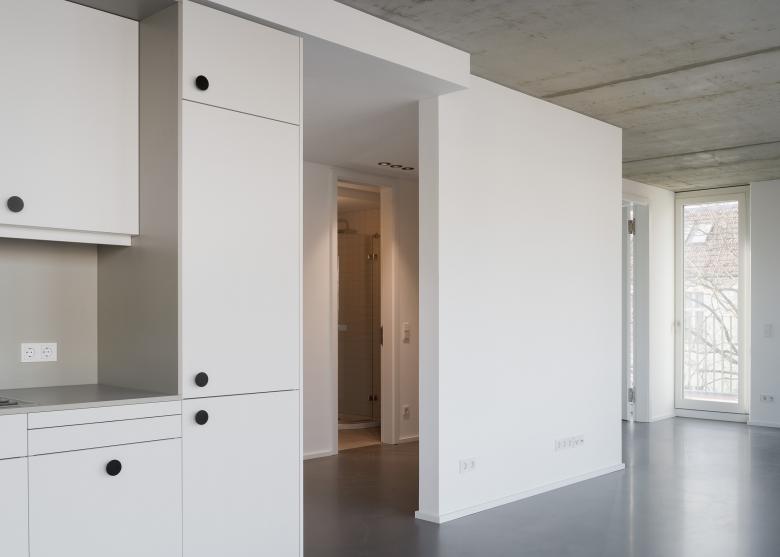
We deliberately contrasted the raw character of the load-bearing concrete walls and ceilings with finely finished lightweight partition walls. Combined with the built-in kitchens and floor-to-ceiling doors, these partitions feel like freestanding furniture elements, offering residents a wide range of opportunities to shape their living environments.
In parallel with the new construction, the existing front building was renovated and its color palette aligned with that of the new building. The two houses, linked by the shared fire wall, now form a coherent architectural ensemble.
Urban Context and Site History:
Fasanenstraße is a street nearly two kilometers long in Berlin's Charlottenburg-Wilmersdorf district. It has borne its current name since 1901, commemorating a pheasantry established in 1755 by King Frederick II at the end of the present thoroughfare. A distinctive feature of the street is the partially preserved villas and grand townhouses—such as the Literaturhaus and Villa Grisebach—which stand out from the typical Berlin perimeter block structure.
This unusually open style of development, atypical for Berlin's inner-city districts today, also characterized the site at Fasanenstraße 36. After the original street-facing buildings were destroyed during the war, a postmodern multi-family house was constructed here in the 1980s, closing the perimeter block in a manner that deviated from the earlier typology.
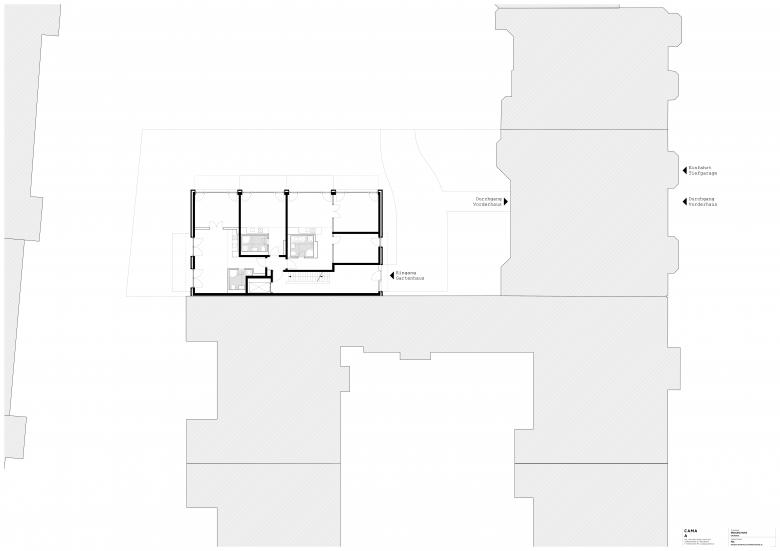
According to the still-valid land use plan from 1958/60, the rear garden plot within the block remained undeveloped and was used only for an underground garage. In light of Berlin's increasing demand for urban densification, especially within the West Berlin perimeter block structure, we developed the idea of constructing a new multi-storey residential building on the garden site—on behalf of the property owner—and were ultimately able to convince the city planning office of the project.
Construction Challenge:
One of the greatest challenges was the difficult access to the building site. The existing front building had (and still has) no passageway to the rear plot—only the underground driveway to the old garage. As a result, the demolition of the garage and all logistics for the new construction had to be coordinated either over or beneath the existing building.