Sperone Westwater to Close
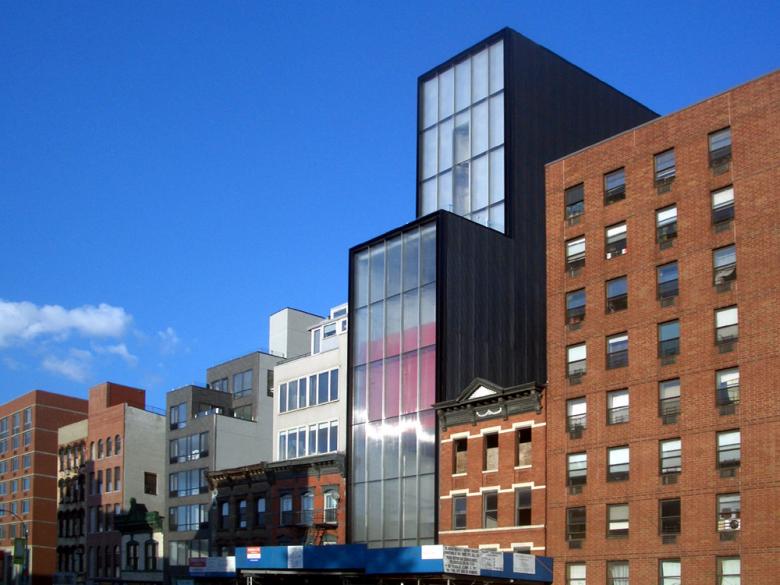
News has broke that Sperone Westwater, the 50-year-old art gallery based in New York City, is closing at the end of the year. This raises the question: What will become of the gallery's bespoke eight-story building on the Bowery designed by Norman Foster?
The November 14 report at Artnet says, “Two months after celebrating its 50th anniversary at its Norman Foster-designed tower on the Bowery, venerable New York gallery Sperone Westwater said it will close as an entity at the end of the year.” Apparently the news is not shocking for those following the art market, which has been in a decline for a couple years, as “rumors have swirled that the blue-chip gallery, which represents legends like Bruce Nauman and David Lynch, is on the verge of closing.”
An official statement from the gallery reads: “After 50 successful years, Sperone Westwater gallery will be closing on December 31, as co-founders Angela Westwater and Gian Enzo Sperone [both in their 80s] have decided to pursue separate endeavors.” A November 18 story at ARTnews paints a less amicable picture: “Three months before yesterday’s announcement that Sperone Westwater would close after 50 years in business, dealer Gian Enzo Sperone sued his cofounder, Angela Westwater, claiming he was in a ‘parasitic deadlock’ with her after she wrested control of a corporation that has a 50 percent stake in the gallery.”
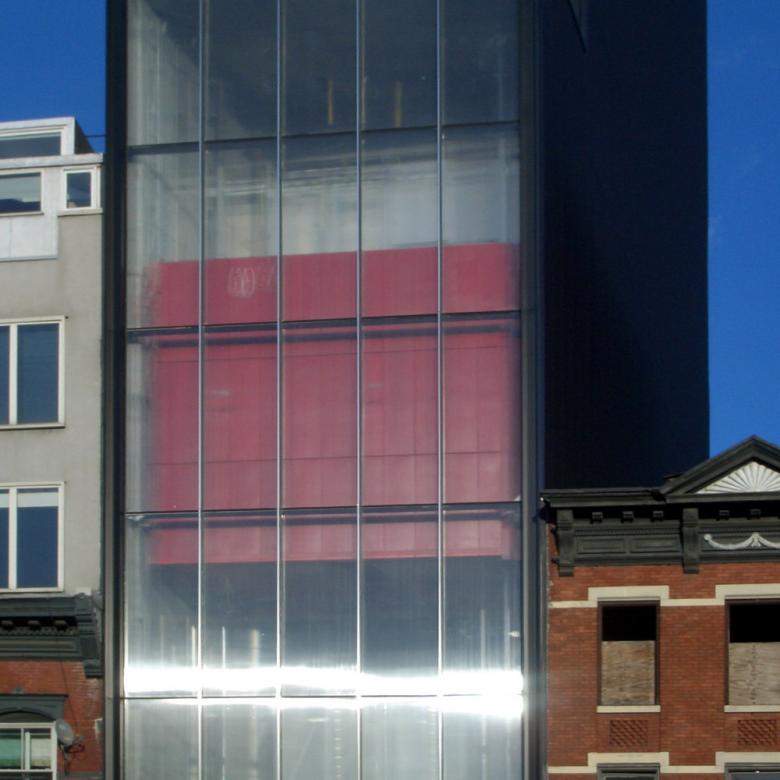
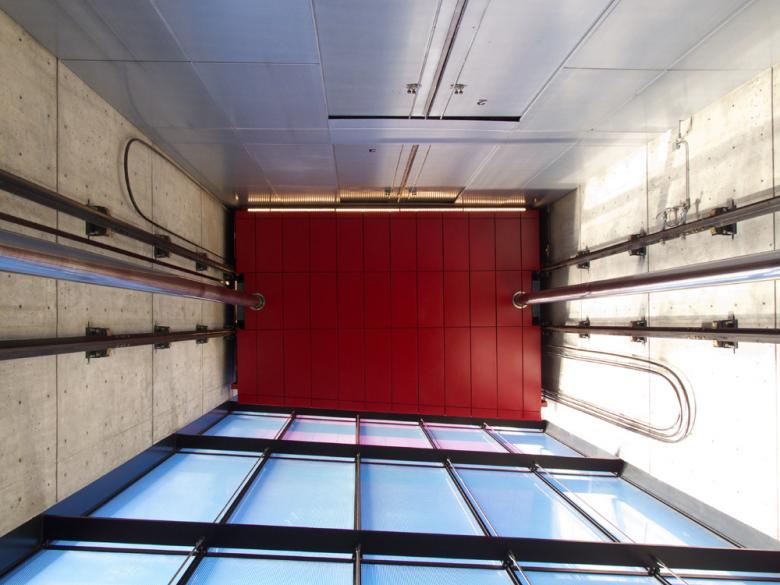
Founded in 1975 as Sperone Westwater Fischer (Konrad Fischer left in 1982), the gallery moved from the Meatpacking District to the Bowery in 2010, a few years after the New Museum opened its SANAA-designed building one block down the storied avenue. Norman Foster designed Sperone Westwater with dark corrugated metal walls on the sides and glass facades on the narrow east and west elevations. Behind the gauzy glass facing the Bowery, a red box could move between floors two and five depending on that artworks that were on display at any given time. (The upper three floors, setback from the main facade, served as offices for the gallery.) The moving room became the architectural signature of the gallery, thanks in part to it being unavoidable: one had to walk under the red object in what was technically an elevator shaft upon entering the building. (Stairs and a passenger elevator actually moving people up and down the building were located in the middle of the floor plan.) With Sperone Westwater no longer occupying 257 Bowery come 2026, it's hard to imagine what else could move into the bespoke building besides another arts-related institution, or perhaps a fashion house.
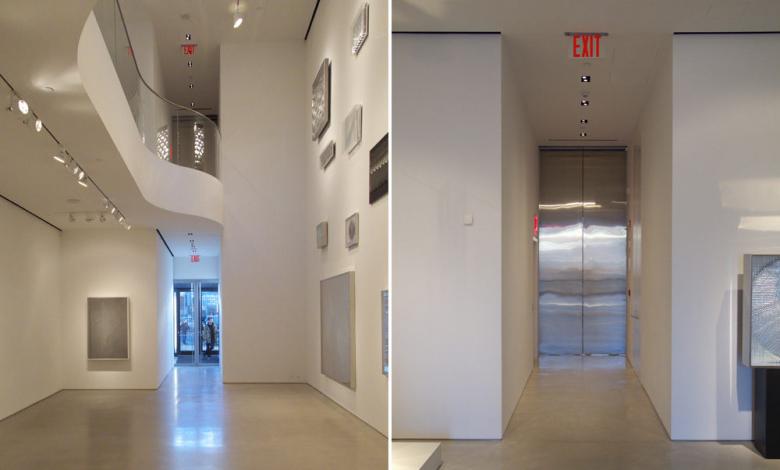
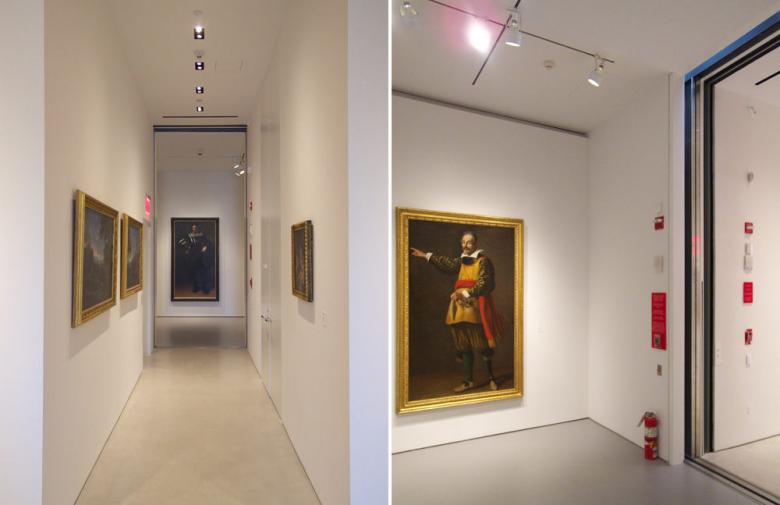
Speculation aside, the 20,000-square-foot building actually plays a role in the lawsuit between Sperone (with Sandstown Trade Ltd., a 50% stockholder in Sperone Westwater) and Westwater (she owns the remaining 50%). Built in 2010 reportedly for more than $20 million, on land bought for $8.2 million in 2008, the lawsuit notes that “the gallery’s stockholders put $10 million into Sperone Westwater’s Norman Foster–designed building and the gallery would accordingly pay $1.8 million in rent,” per the ARTnews story. Westwater then allegedly tried to use “one very high value asset, the Foster Building, to subsidize the other unprofitable asset, the Gallery, including a salary to her and compensation of some kind to her daughter.”
Until its last day on December 31, Sperone Westwater is showing an exhibition of Richard Long's artworks—his 17th exhibition with the gallery since his first in 1976.
Related articles
-
-
-
-
-
A Contemporary Gateway to Green-Wood Cemetery
Architecture Research Office | 04.05.2026