Accessibility Issues at Steven Holl's Hunters Point Library Resolved
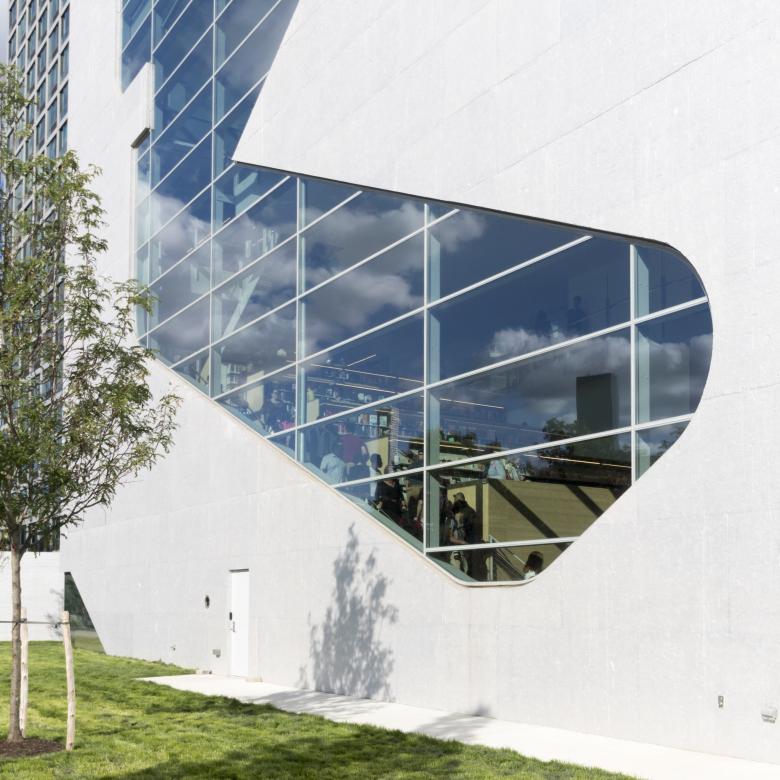
Six years after it opened to a mix of fanfare and controversy, the Hunters Point branch of the Queens Public Library in New York City has reached a settlement in a class action lawsuit brought over the inaccessibility of portions of building for people with disabilities, after modifications to the building designed by Steven Holl Architects were carried out.
Six years is a long time for justice, but in the context of Hunters Point Library it is relatively short. Steven Holl's ambitious design of a vertical library, with amorphous openings expressing the complex interlocking spaces behind the concrete facades, began in 2010, but construction did not start until 2015. It would take another four years for the 22,000-square-foot building to open, at a cost of more than $40 million dollars. With a full nine years from watercolors to ribbon cutting, no wonder the September 2019 opening was a joyous affair, with Mayor Bill de Blasio grinning at the view of Midtown Manhattan the vertical branch library affords, and crowds streaming up and down the many stairs overlooking the full-height atrium. Architecture critics heaped praise on the building even before the first book was checked, none more profuse than Michael Kimmelman, whose New York Times column one week before the opening called it “among the finest and most uplifting public buildings New York has produced so far this century.”
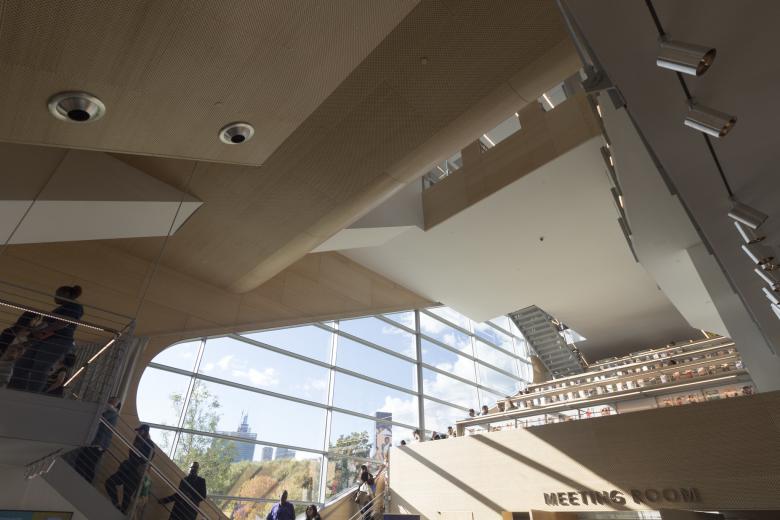
The good feelings were short-lived, as the library's trademark interior feature, four tiered levels of stacks between the first and second floors, was called out as inaccessible for people with disabilities—only one of the four levels was reachable from an accessible route per the Americans with Disabilities Act (ADA). This led the librarians, who were otherwise expected to fetch the books for patrons unable to access the other three levels, to pull the books from the shelves, but they also had to close other portions of the library where even more ADA-related issues were discovered. Then, on November 26, 2019, a lawsuit was filed by library patron Tanya Jackson and Disability Rights Advocates (DRA) on behalf of the nonprofit Center for Independence of the Disabled New York (CIDNY) against the Queens Borough Public Library, the Board of Trustees of Queens Borough Public Library, and the City of New York. The lawsuit aimed for the library to make changes to the building that would “ensure visitors with mobility disabilities are able to visit, benefit from, and enjoy the library to the same extent as non-disabled visitors.” Finally, Magistrate Judge Steven Tiscione granted final approval to a class action settlement of the case on October 9, after the required renovation work was carried out.
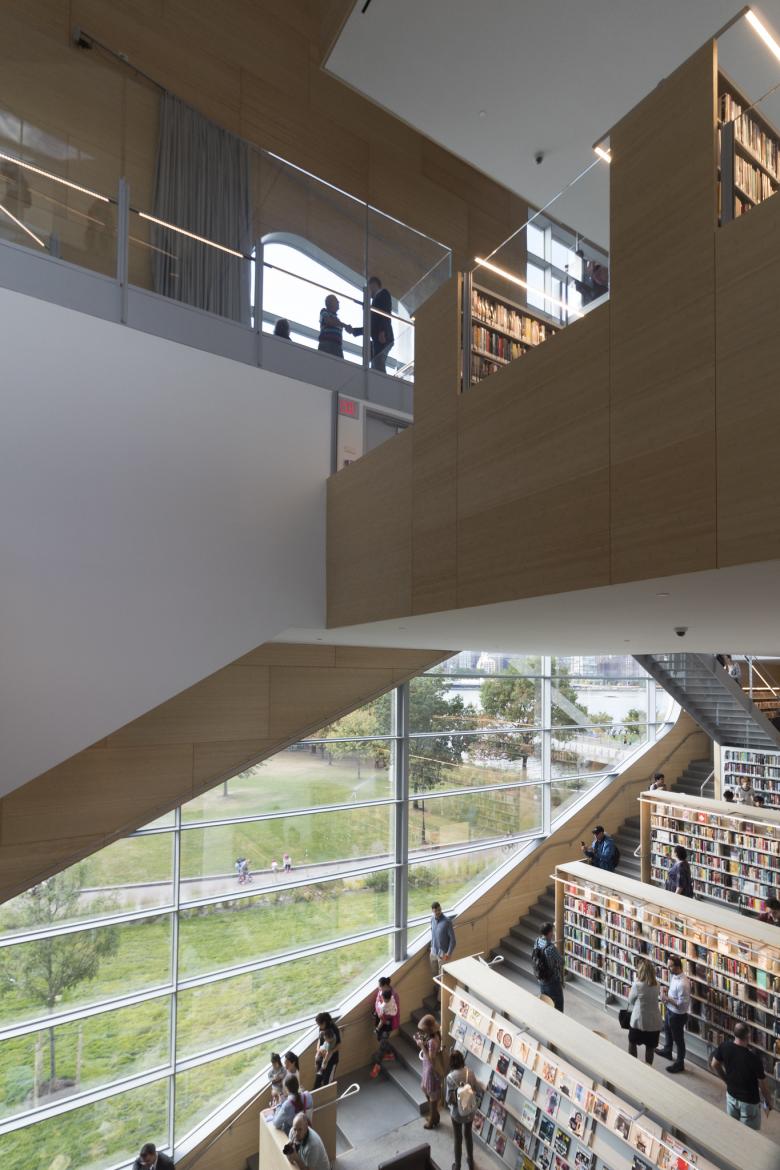
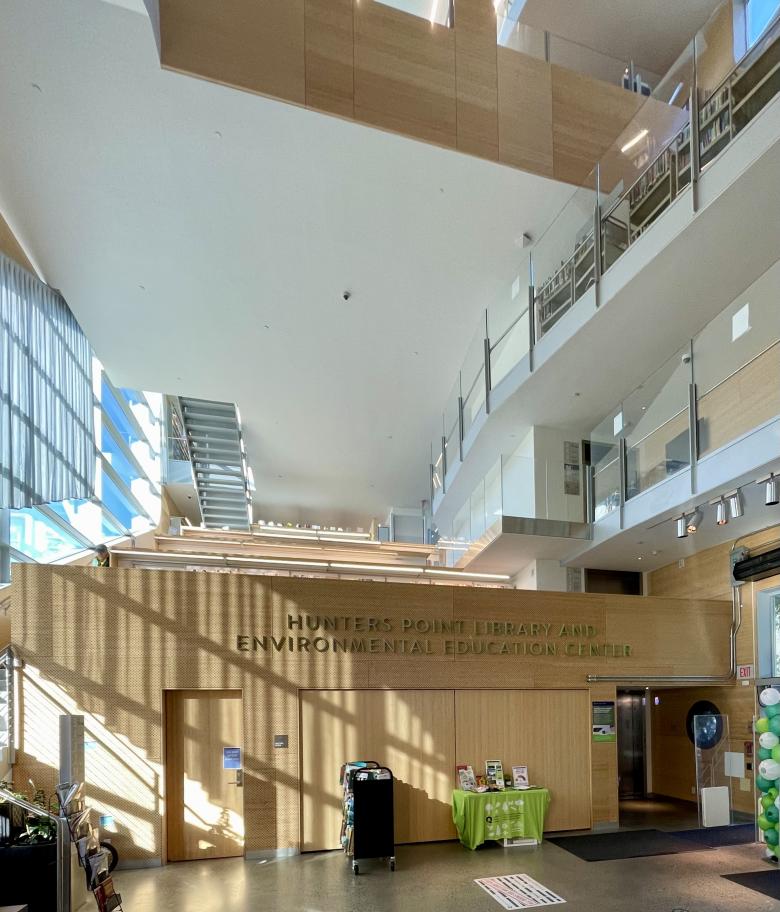
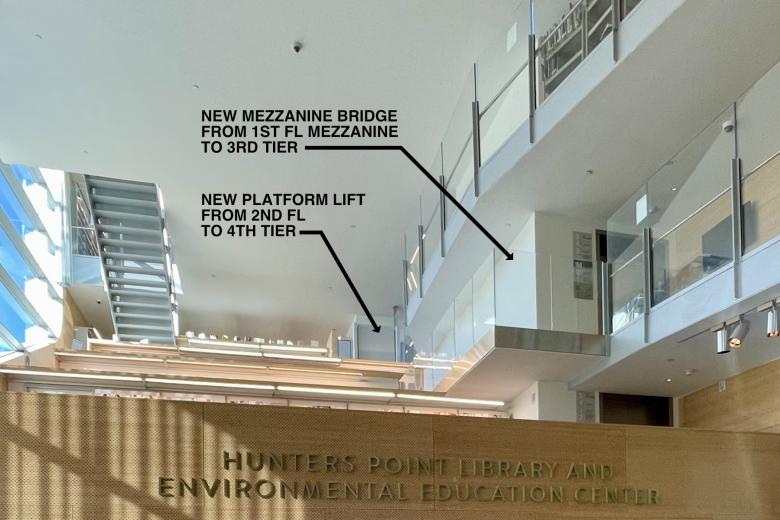
Curious to see what impact the lawsuit had on the building's interior, I headed to Hunter Point Library earlier this week to see for myself. The main reason to visit was to see the fixes to the tiered sections at the atrium, but much of the work carried out is minor and not readily visible, including “over a hundred other smaller accessibility barriers,” per DRA, “including in the bathrooms and study areas.” With photos off limit but the librarians allowing me to take the above photo, readers can hopefully see how the renovation work addressing the tiered levels is noticeable but, at least in my opinion, does not dramatically impact the quality of the space; some of this can be chalked up to Holl's firm detailing the fixes as part of the lawsuit. The fixes in this area are two and are highlighted in the image below: a new bridge connecting the first floor mezzanine, which can be accessed by elevator, to the third of the four tiers; and a new platform lift from the second floor down to the fourth, topmost tier. While this still leaves the second tier inaccessible, the bookshelves on that level were removed, so now it is only used for seating for library patrons.
The renovation work and settlement are not the end of the story, though, as a second lawsuit was filed, on May 17, 2023, by the City of New York against three defendants: Steven Holl Architects, principal Steven Holl, and design partner Christopher McVoy. That lawsuit, in which the city is seeking compensation for the money it spent on the accessibility renovations, is still unresolved.
Related articles
-
-
-
-
-
A Contemporary Gateway to Green-Wood Cemetery
Architecture Research Office | 04.05.2026