International 2025 Piranesi Award
The recipients of the 36th annual Piranesi Awards were announced on Saturday, November 22, 2025, during the 42nd Piran Days of Architecture held in Portorož, Slovenia.
The Piranesi Awards have been conferred annually since 1989, with a one-year gap in 2020 caused by the Covid-19 pandemic. In the four years that followed, a sports hall in Budapest, the Covering the Remains of the Church of St. John the Baptist in the Žiče Charterhouse, the Revitalization of Old Glassworks and Surrounding Urban Areas in Old Town of Ptuj, and the Temporary spaces for Slovene National Theatre Drama Ljubljana have won the top awards. This year, as in previous years, the awards focus on projects nominated from nearly a dozen European countries: Austria, Bosnia and Herzegovina, Croatia, the Czech Republic, Greece, Hungary, Italy, Montenegro, Serbia, Slovakia, and Slovenia.
Fifty architectural projects were nominated for the 2025 Piranesi Award, with the members of the jury* taking a number of criteria into consideration: consideration of context; innovative spatial plan and layout; a respectful approach to natural and cultural heritage; innovative details; and a considered use of color, materials, light, and texture. Details on the winner, two honorable mentions, and a student honorable mention are below.
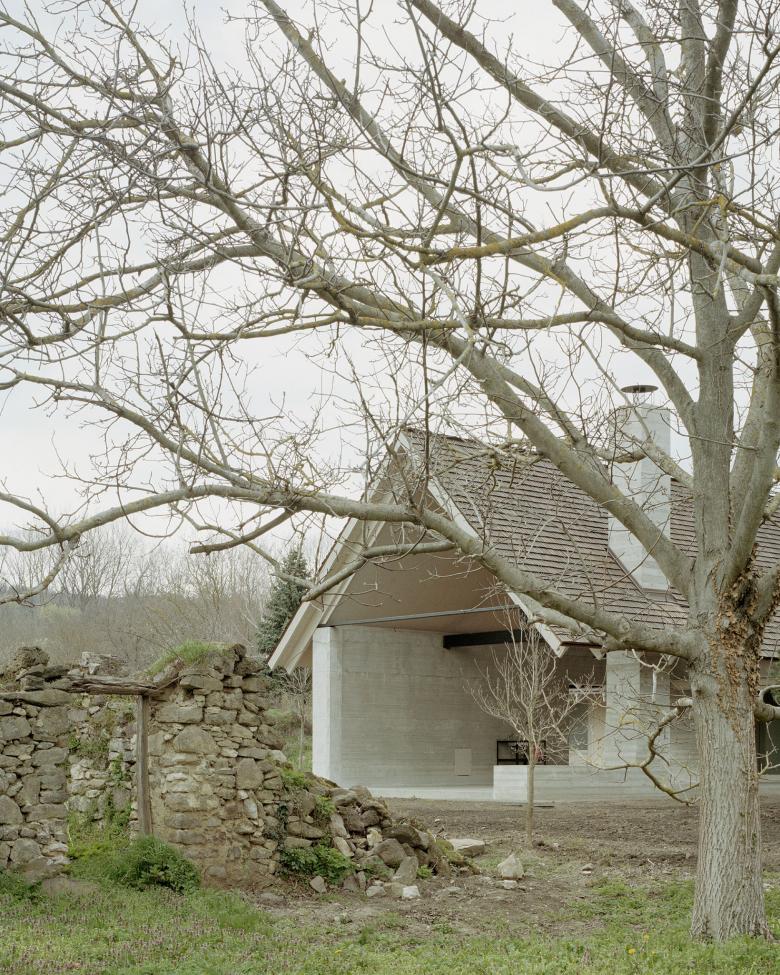
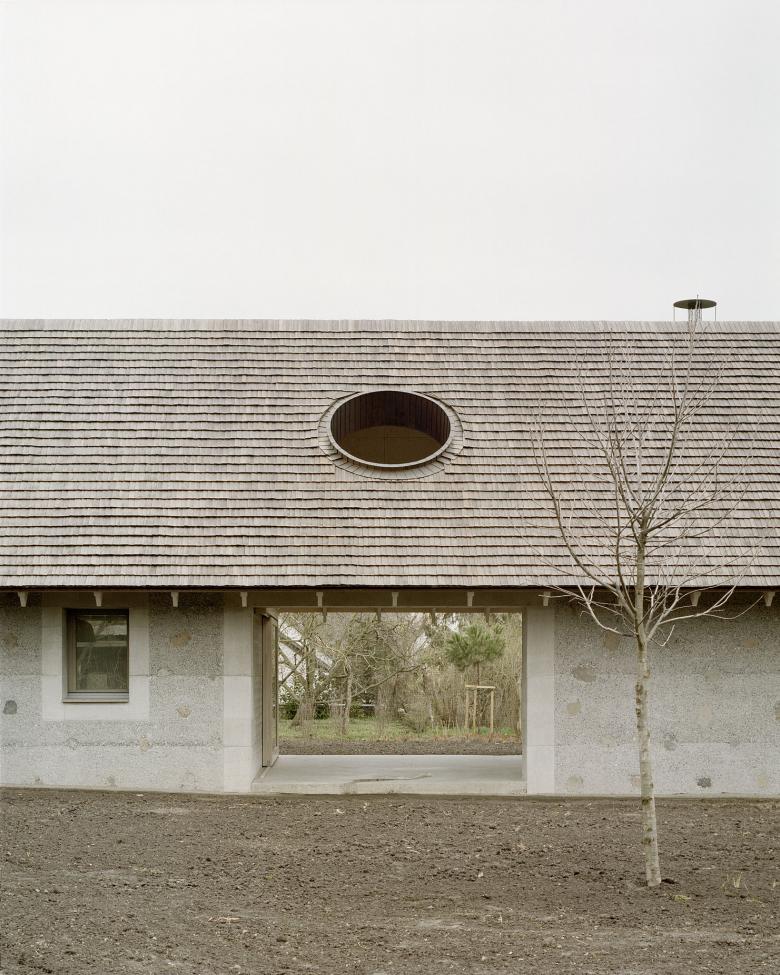
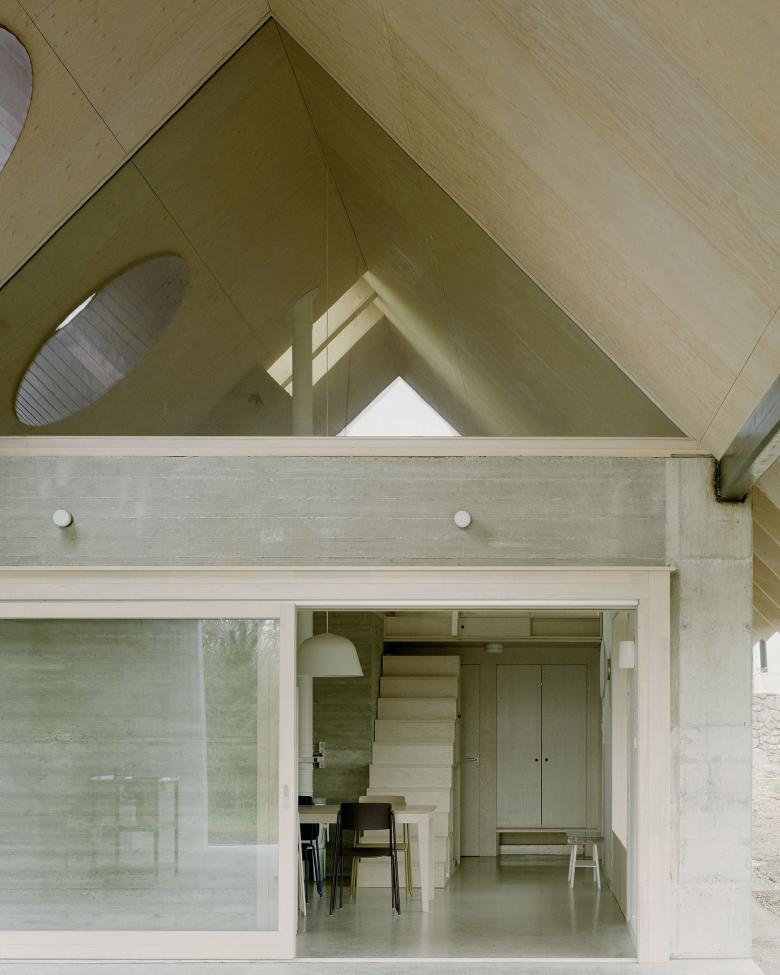
Meeting on November 22, the jury determined that the winner of the International 2025 Piranesi Award is House and Beeyard, located in Balaton Uplands, Hungary. The project, completed last year, was designed by Péter Szabó and Emese Galamb of Budapest's OKKA Studio. The project, referred to as K70 House on OKKA's website, is the renovation of a stone house built in 1908.
“The jury recognizes the project for the material exploration between the vernacular and the contemporary, reusing old damaged stone constructions in rammed concrete walls—a traditional local technique. Furthermore, its refined tectonic expression and dedication to unique spatial situations releases the thresholds between the interior and the exterior and provides a sense of landscape which integrates the village within the realm of the house.”
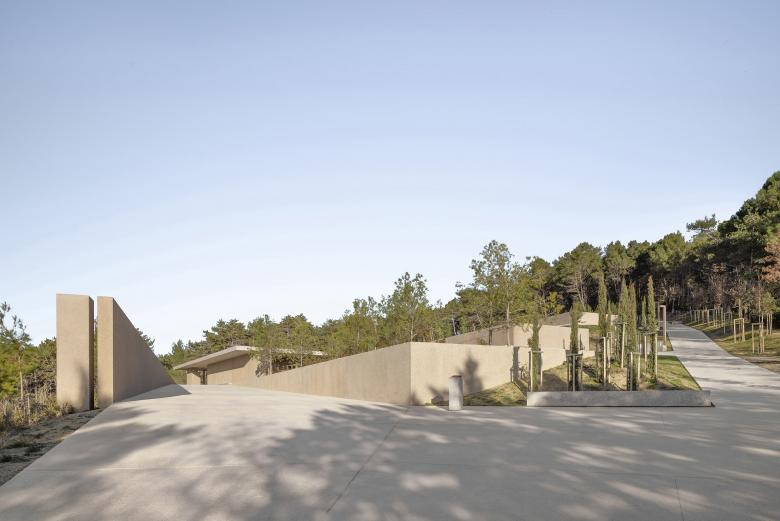
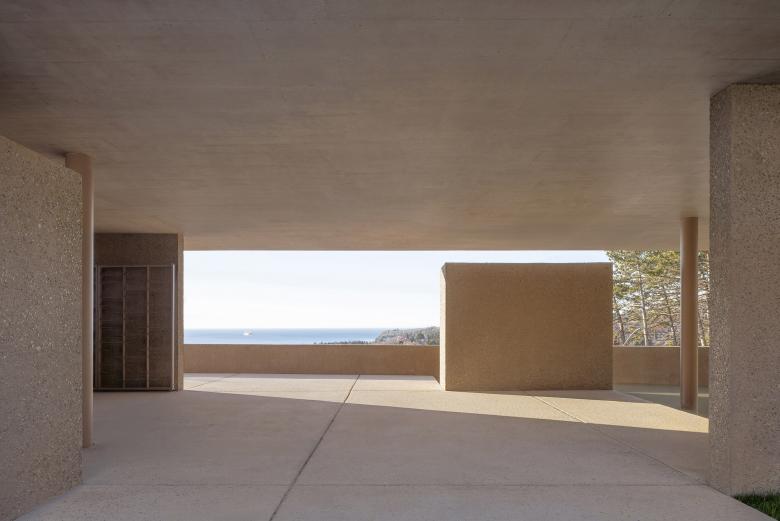
Two honorable mentions were also decided, including Cemetery Ankaran (2024) in Ankaran, Slovenia, by Ljubljana's VOID arhitektura (Uroš Rustja, Primož Žitnik, Mina Hiršman, and Mateo Zonta) with landscape architect practice Studio AKKA (Ana Kučan, Luka Javornik, and Danijel Mohorič). The jury wrote: “Set on a sloping landscape between the hill and the sea, the cemetery is designed as a public walking path guiding visitors through a sequence of serene, interconnected terraces overlooking the sea. Clean architectural detailing and a sensitive play of light shape the remembrance spaces and offer a peaceful environment to honor loved ones.”
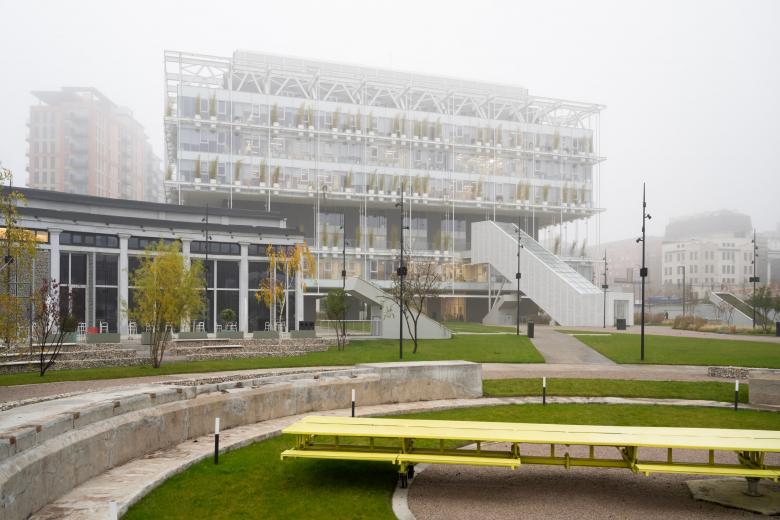
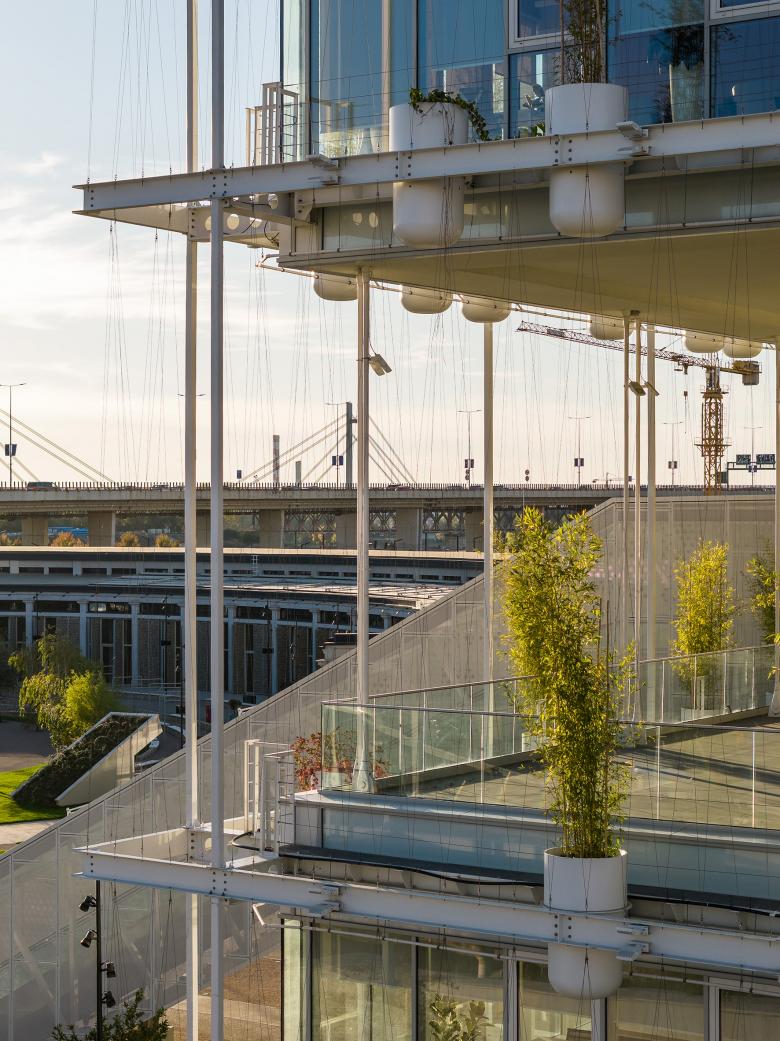
The other honorable mention is the Centre for Creative Industries and Innovations “Ložionica” & The House of eGovernment in Belgrade, Serbia, carried out by Anđela Karabašević and Vladislav Sudžum from Belgrade's AKVS architecture. The jury's comments: “The project transforms Belgrade’s historic railway site and infrastructures through adaptive reuse and a new structure, weaving together a complex mix of offices and public programs supported by an inventive, unconventional structural system. Its contemporary architectural expression negotiates the site’s challenging urban context, creating a dynamic dialogue between heritage and forward-looking design.”
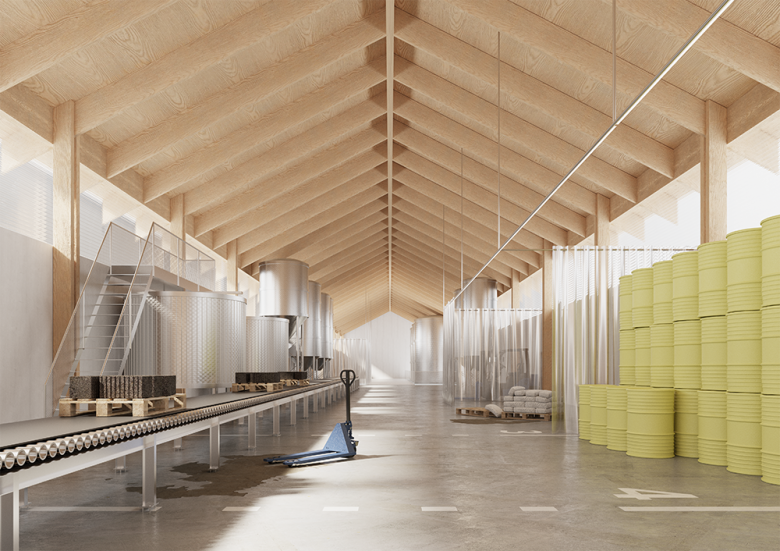
Lastly, one student honorable mention was selected from the 40 students projects nominated by 20 European schools of architecture from Graz, Spittal, Vienna, Banja Luka, Sarajevo, Split, Zagreb, Thessaloniki, Budapest, Pescara, Vaduz, Podgorica, Belgrade, Kragujevac, Novi Sad, Bratislava, Ljubljana, Maribor, Lucerne, and London. The jury selected The Longhouse, a project designed by Ela Grasselli, a student in Jesenice, Slovenia, under professor Maruša Zorec and Dr. Uroš Rustja.
The jury's comments: “The project uses time as a design tool, taking care of a post-industrial brownfield site. To do so, it unfolds different phases of operation using soil and landscape strategies as its starting points. The buildings subsequently reinterpret the warehouse typology with careful tectonic explorations, incorporating material reuse while providing adaptable spaces for dwelling and communal living.”