Embracing the Temporary
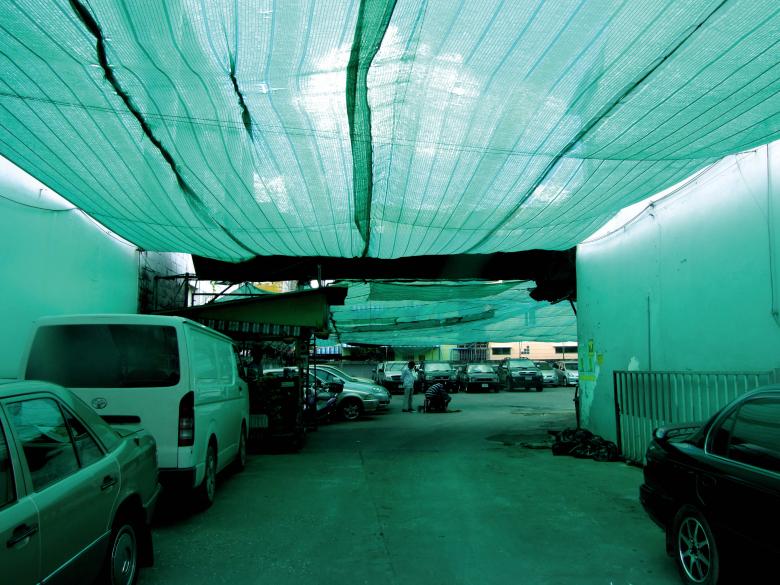
Temporary Tecture: Structures of Necessity is a new book from KOSMOS, an architectural practice with offices in Zurich and Graz, that is filled with photographs that “[offer] a fresh and compelling perspective on the often-overlooked world of temporary infrastructure.” Take a look inside the book recently published by Birkhäuser.
With its title stylized as contemporary architecture, the architects at KOSMOS are offering a critique of contemporary architecture by focusing on the temporary, often overlooked, and sometimes tolerated structures that are involved in the repair and realization of “permanent” buildings: scaffolding, sidewalk sheds, false facades, camouflage, even sandbags. KOSMOS wants architects to take temporary infrastructure—or tecture—seriously, discovering lessons in it that can be applied to architecture, particularly in relation to minimizing the use of resources in the face of climate change.
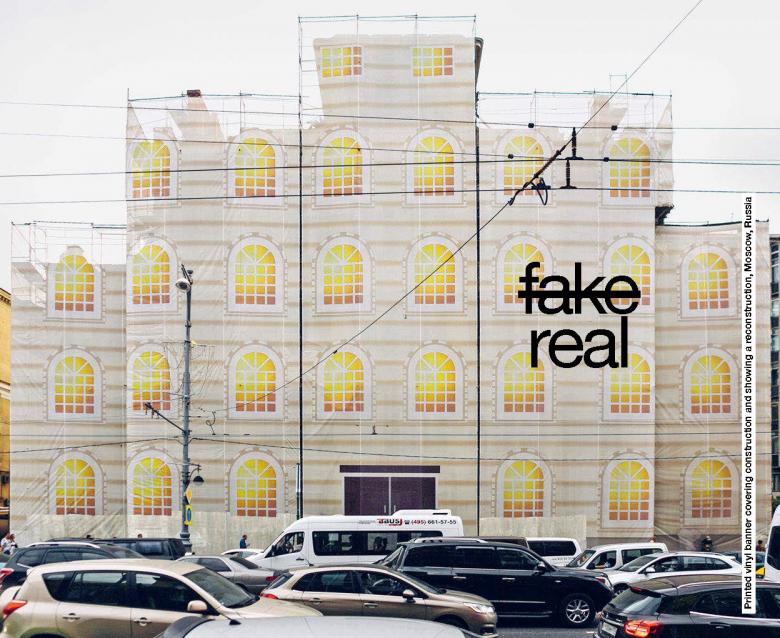
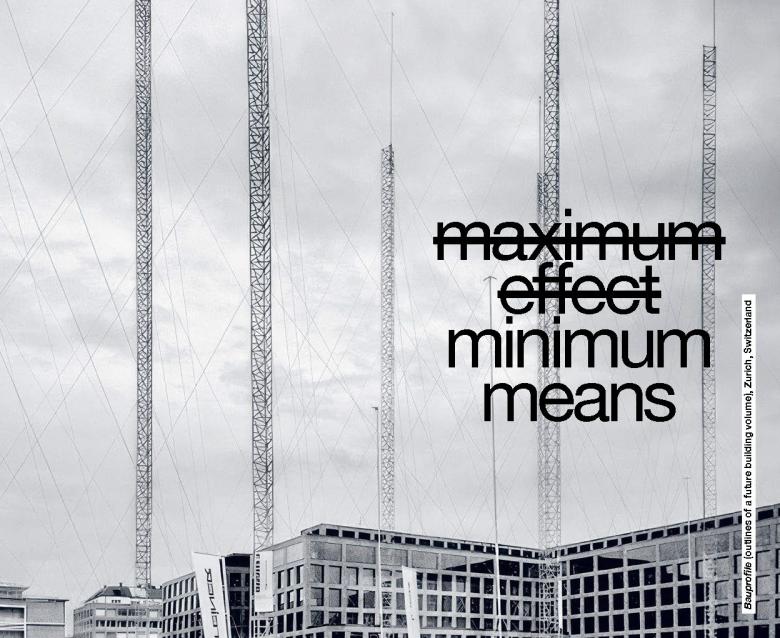
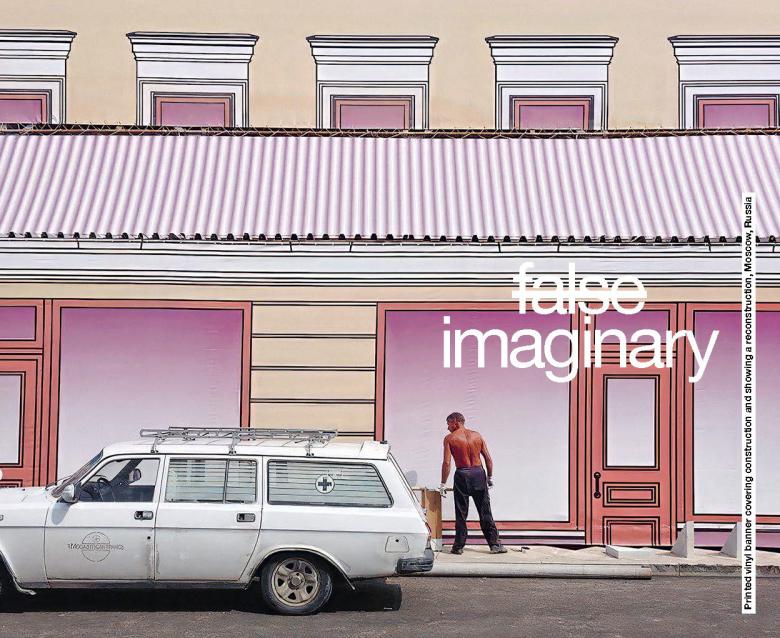
Although tecture could never be a total replacement for architecture—after all, it lacks the many technological and mechanical services people rely on in their daily lives—tecture's “capacity to respond dynamically to immediate needs with minimal waste and maximum efficiency,” in the authors' words, make it relevant today. It's not hard to find examples of more or less permanent buildings that are designed and built in ways that minimize construction waste and can be dismantled and redeployed, if necessary. Just last year, the EUmies Awards found the Study Pavilion at TU Braunschweig—a fully demountable, glue-free modular building designed by Gustav Düsing and Max Hacke—to be the best building completed in Europe in the previous two years. Appropriately, KOSMOS's own portfolio is full of tecture-inspired projects, with numerous temporary pavilions alongside just as many adaptive-reuse projects.
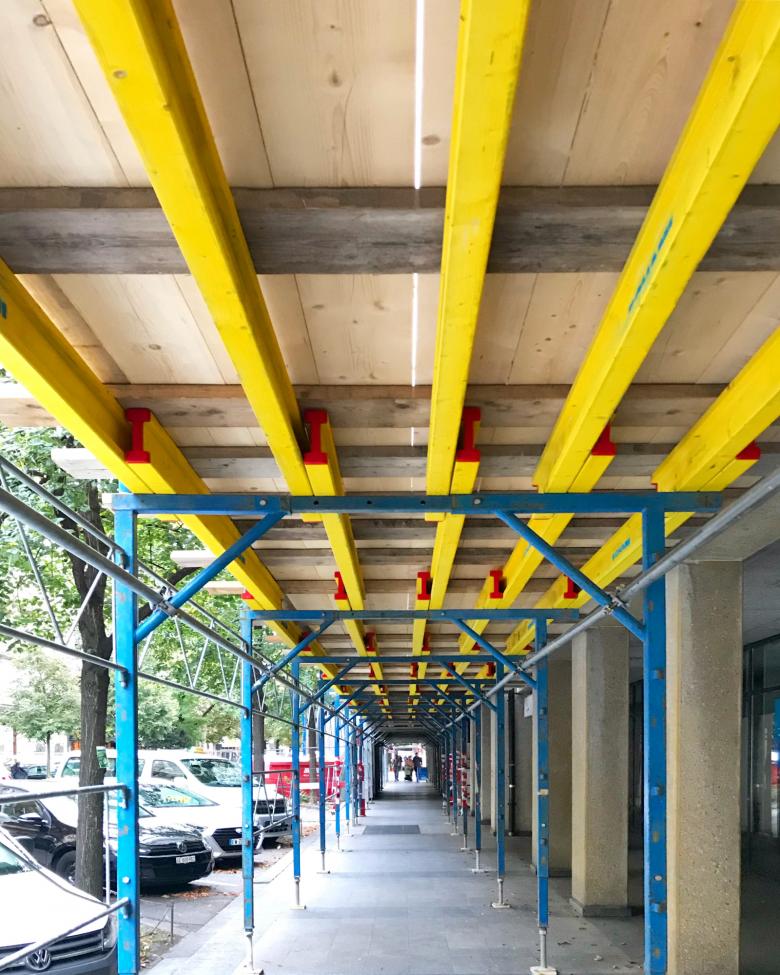
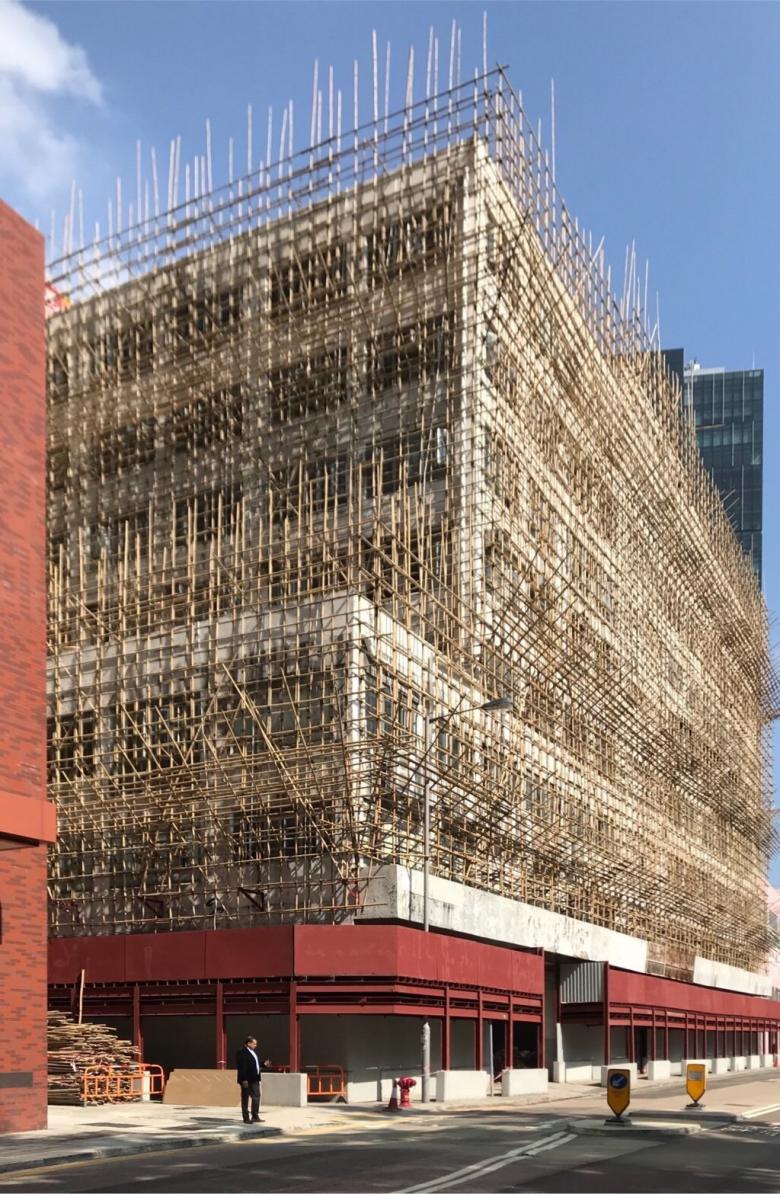
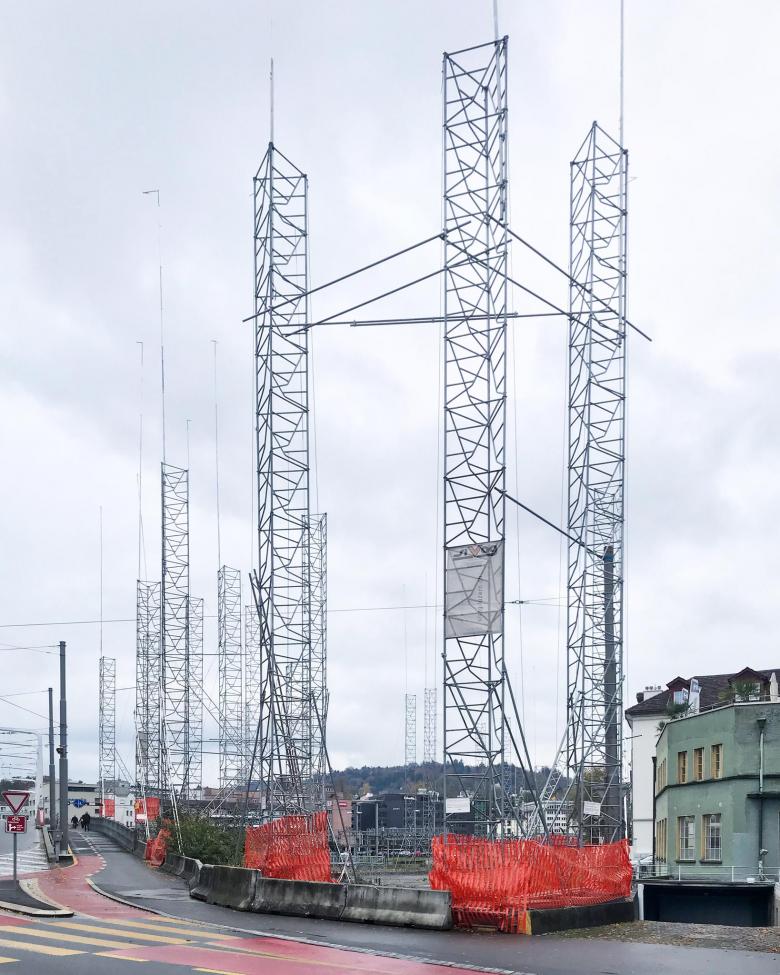
By its nature, tecture is anonymous: built by contractors or occasionally occupants around, under, and sometimes above buildings and landscapes that usually bear the imprint of architects. The anonymous aspect of tecture, combined with its temporary nature, make it—at best—ignored, but more often derided: Tecture may shroud actual beloved landmarks, make walking down a sidewalk unpleasant, or be a blight on the skyline. But it can also heat or cool a building in an emergency, protect inhabitants from destructive forces, provide stagings for unique events, and even be more visually interesting than the banal building being erected behind it.
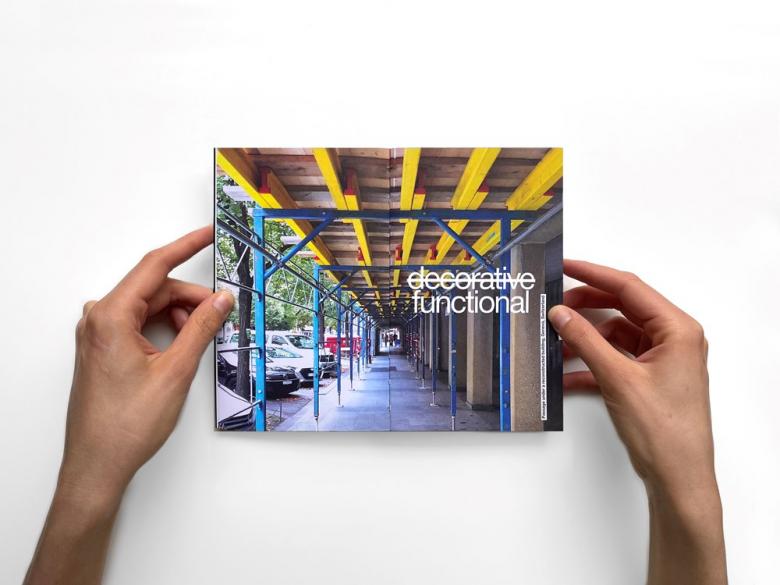
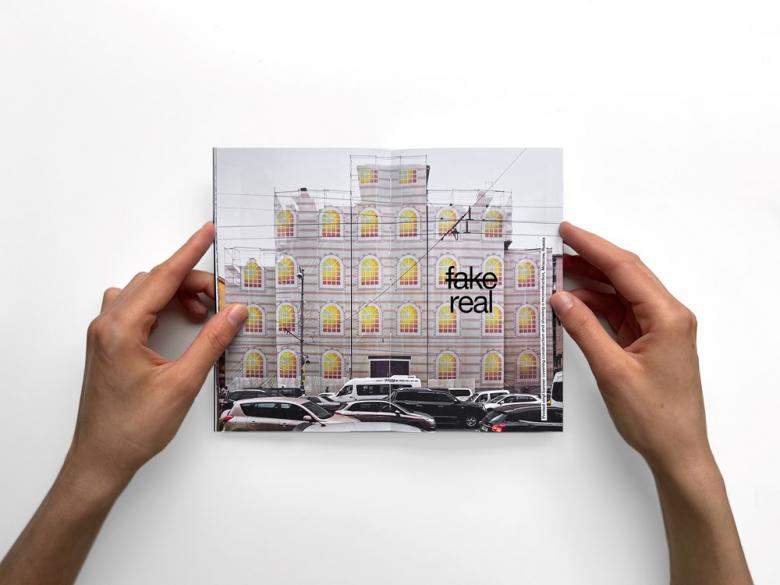
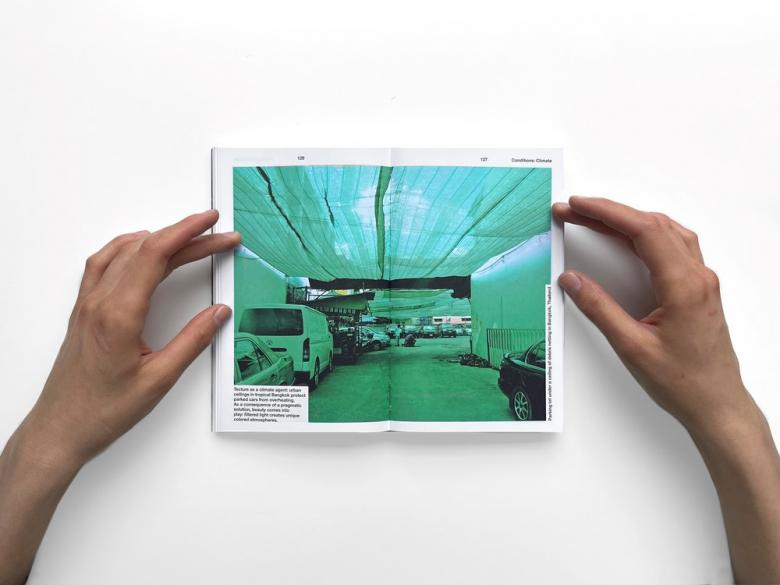
As can be seen in the three photos above, Temporary Tecture is a small book, not a coffee table book or oversized monograph. Its compact size is appropriate with tecture's emphasis on minimal resources, which extends to the lightweight paper that makes the book easier to ship. (Like most books today, it is also available in a digital format.) In addition to essays by KOSMOS and their photographs organized in seven thematic chapters (Construction, Fake, Climate, Safety, Event, Protection, Vernacular), the book features essays by Charlotte Malterre-Barthes, Jan De Vylder, and Philip Ursprung. Their contributions provide the book “a more stereoscopic view,” in the authors' words, but they also capture that KOSMOS is not alone in exploring alternative approaches to addressing today's myriad ongoing crises.
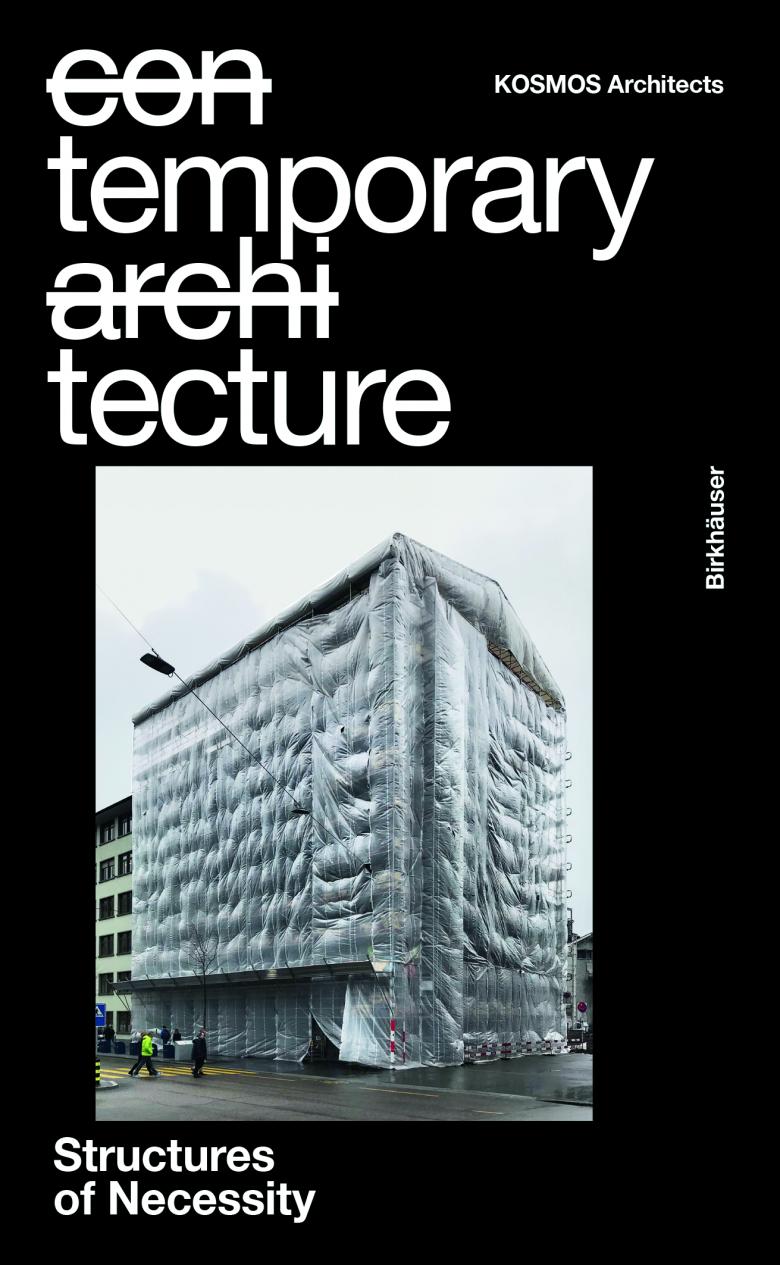

Temporary Tecture: Structures of Necessity
KOSMOS Architects
With contributions by Charlotte Malterre-Barthes, Jan De Vylder and Philip Ursprung
11 × 18 cm
312 Pages
176 Illustrations
Paperback
ISBN 9783035628654
Birkhäuser
Purchase this book
Related articles
-
-
Periphery as Method: On Architecture’s 'Dispositional Intelligence'
Guiomar Martín | 15.05.2026 -
-
-