Studio Visit: Dabbagh Architects
Dubai-based journalist Jumana Naim recently visited the studio of Dabbagh Architects, one of the Middle East’s most celebrated architecture offices working within the region’s cultural space today, learning about architect Sumaya Dabbagh’s background, the firm’s philosophy, and some of their most notable projects.
Dubai’s Al Quoz district, an eclectic neighborhood known for cultural spaces and industrial warehouses, teems with architectural studios. Saudi architect Sumaya Dabbagh chose this particular location of her eponymous studio, Dabbagh Architects, for its community—a topic we touched on quite a bit when I visited the firm in June. The office is located on the second floor of an otherwise unremarkable commercial building, however the space—as well as the work—was anything but.
Here, community is everywhere—both professionally, as many architecural firms take resident in the building, as well as communally. The neighborhood where the studio is located sits in the heart of an old Emirati community, with mosques surrounding the area. On Fridays, you can find people praying at the mosque and visiting the nearby cemetery, which surprisingly adds to the area’s serenity. Dabbagh has called this location home for a few years now, moving from Alserkal Avenue in August 2023.
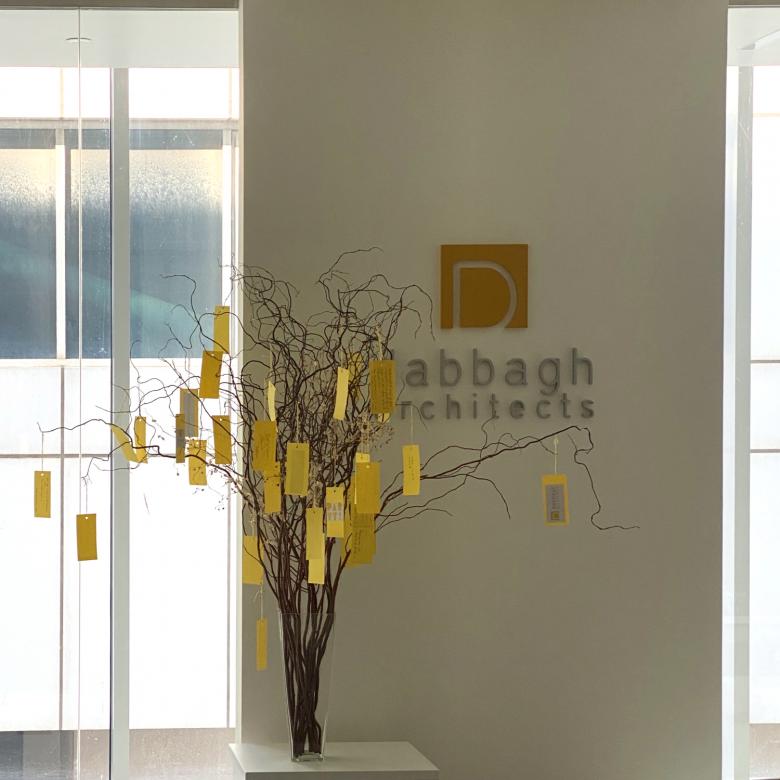
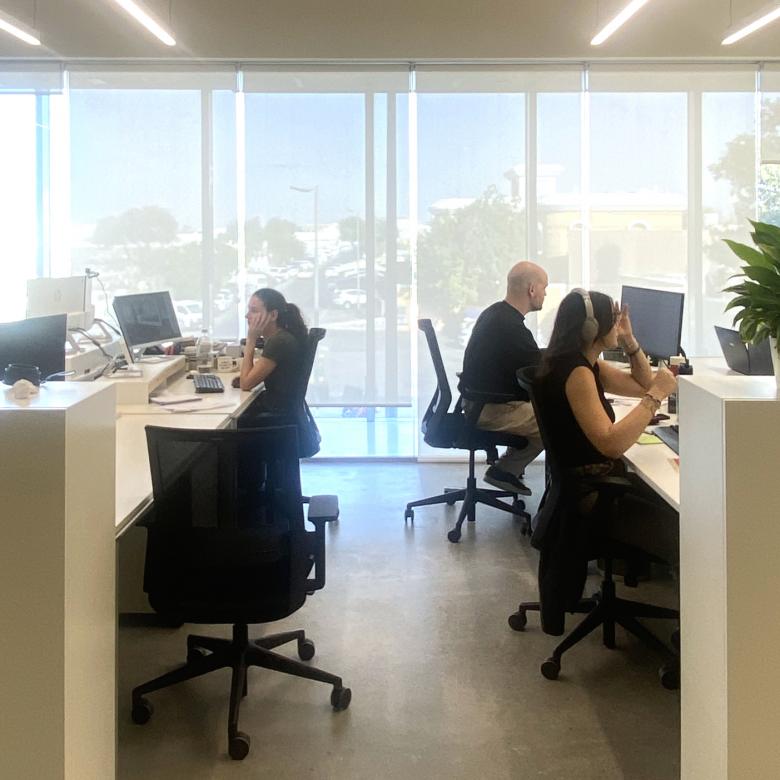
“When we started the firm in 2008, our first office was in a building we had designed—a small office block completed in 2010,” says Dabbagh, as we sat in the sun-drenched meeting room of her studio that afternoon. “We were there for 12 years. After Covid, we decided we wanted to be somewhere with a community and moved to Alserkal Avenue for one year before moving to the current office.” The office is two units opened into one, with plenty of natural light pouring in from wide windows at every angle. The space is minimal and calm, with images of the firm’s most prominent completed projects adorning the office, from the reception to Dabbagh’s own office. A quaint space, the staff account for about ten in office, and three on site. Dabbagh Architects defines boutique working.
Born in Jeddah, Saudi Arabia, the architect spent her early years in her homeland until the age of 13, when her family relocated to the UK. A Saudi national, she continued her education there, eventually attending Bath University. After graduating in 1992, she embarked on a summer tour across Europe—a journey that would unexpectedly shape her sense of identity. Her final stop was Paris, and what was meant to be a short visit turned into a year-long stay. “It was a pivotal time,” she reflects. “By then, half of my life had been spent in Saudi, the other half in the UK. Moving at that age had forced me to adapt quickly. It was a matter of survival.”
In England, her accent blended in. No one asked where she was from. But that changed in Paris. For the first time in years, she was confronted with the question: Where are you from? “I wasn’t used to being asked that,” she says. “And hearing myself say I was Saudi—it made me pause. I became quite curious in that year in Paris about my heritage and Identity.”
A chance encounter with a Saudi woman who had attended her old school in Jeddah stirred long-dormant memories. “It rekindled something,” she says. “That’s when I realized I wanted to rediscover the side of me that had been hidden while living in England.”
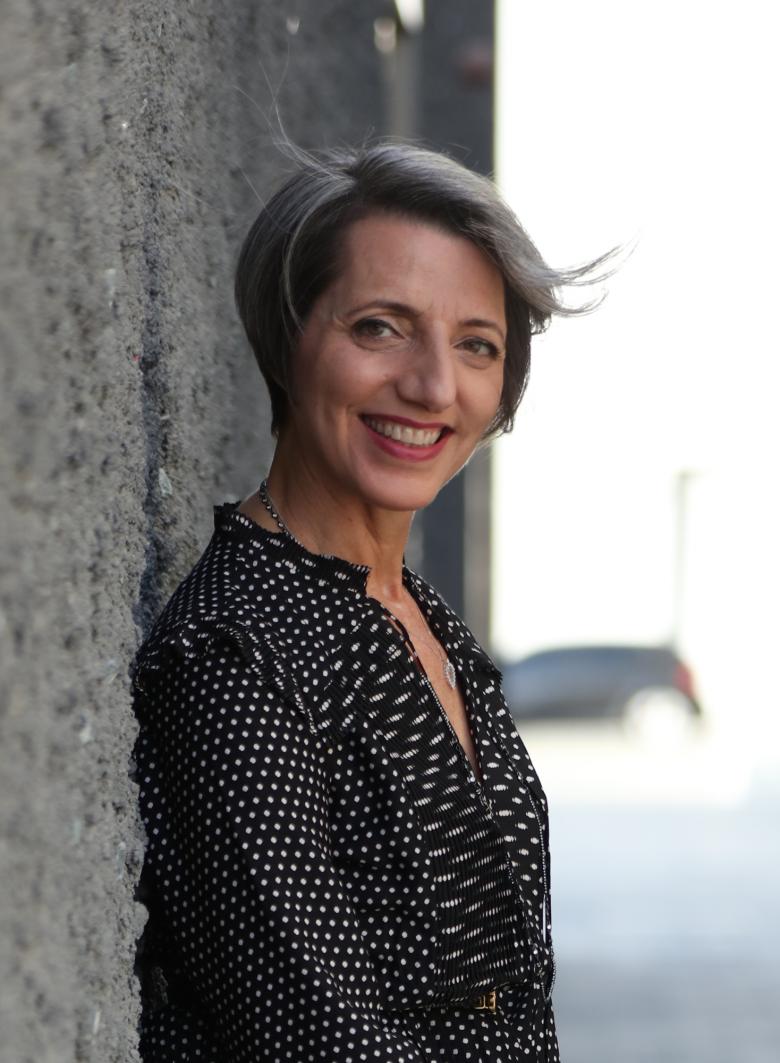
It was this deep curiosity about heritage and identity that ultimately drew her back to the region, and what would eventually shape her work. She first returned to Saudi, but then decided to settle in Dubai, a city brimming with the development at that time, in the early 1990s.
“By the time I had spent around a decade in the region, things were beginning to shift. A boom had started. More international firms were arriving, and while the quality of work often met global standards, I felt something was missing—a real sensitivity to the local context,” she explains.
Dabbagh began working with several international companies and was struck by how little interest there was in engaging with the richness of the region. There was no curiosity, no desire to dig deeper into what the place had to offer. That lack of care, of passion, while a generalization, was noticeable. Many came to do a job, earn well, and leave. There was little connection to place, little understanding of the local culture or environment.
“The architecture being produced felt imported—in materials, in aesthetics, in mindset. It was dominated by glass and aluminum, designed more for commercial return than for community or cultural relevance. I struggled with that,” she says. “I wanted to offer something different: architecture that met international standards but was rooted in its surroundings. At the time, that approach was still rare. We were one of the first boutique practices to try to bring those two worlds together.”
With major projects coming up in the city during the late nineties and early aughts, including the Burj Al Arab and Emirates Towers, other architects eventually followed this drive to bring the work back to a local context. Much like Dabbagh in 2008, professionals from larger firms began establishing their own practices, seeking a similar balance between global and local. Still, Dabbagh felt that much of the market remained commercially driven and disconnected from its setting.
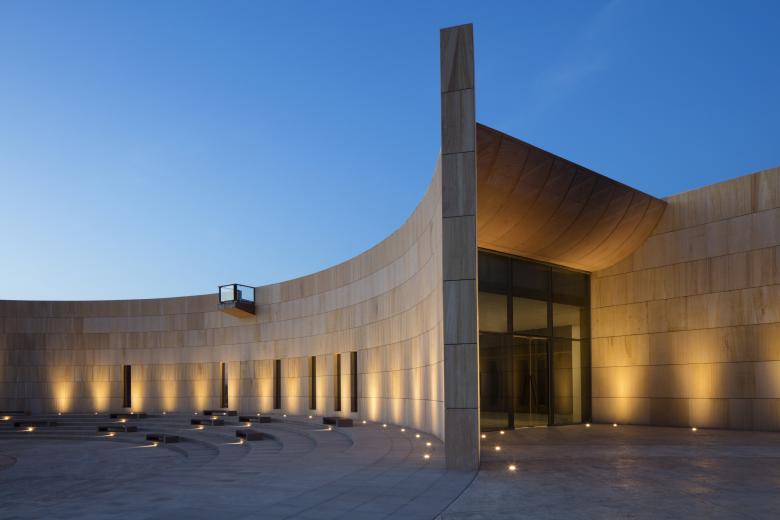
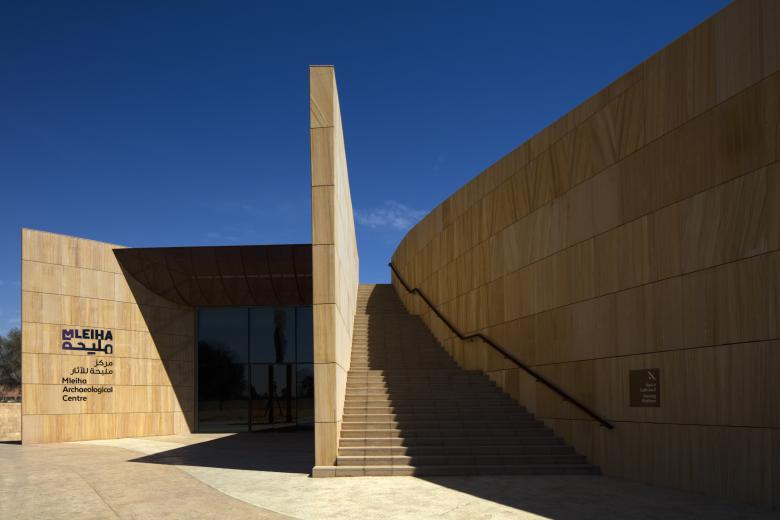
Then came a turning point for the firm—the opportunity to work on the Mleiha Archaeological Centre. Built within a larger eco-tourism project in the heart of the Sharjah desert, the center was completed in 2016, nearly a decade after the practice’s establishment. The archaeological center sits at the foot of Fossil Rock Mountain and is composed around a 4,000-year-old tomb. It features an indoor museum, café, outdoor walkways, contemplation areas, and desert gardens. The project gave Dabbagh that need to create a greater contextual language, with its geometries maintaining a harmonious dialogue with the landscape.
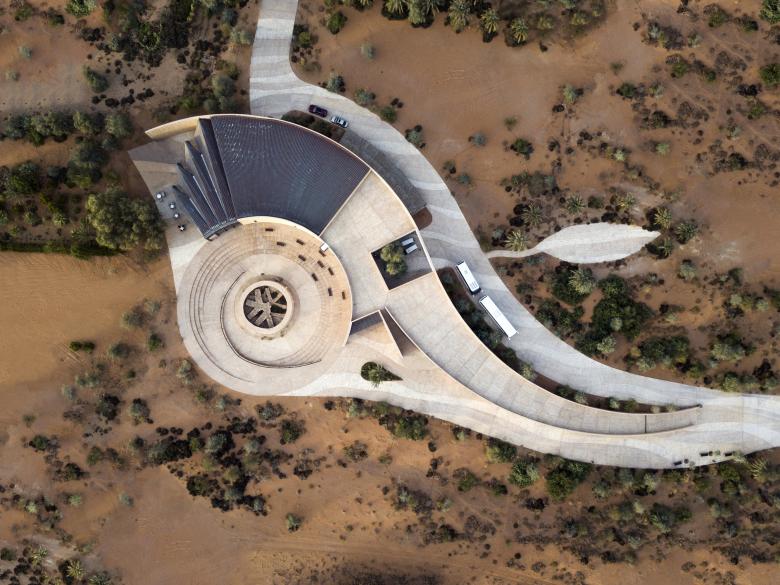
“Initially, it was just a concept design,” she says. “We developed our vision, and nine months later, it was presented to His Highness, the Ruler of Sharjah. It was approved, and we were awarded the project. That changed everything. Mleiha put us on the cultural map.”
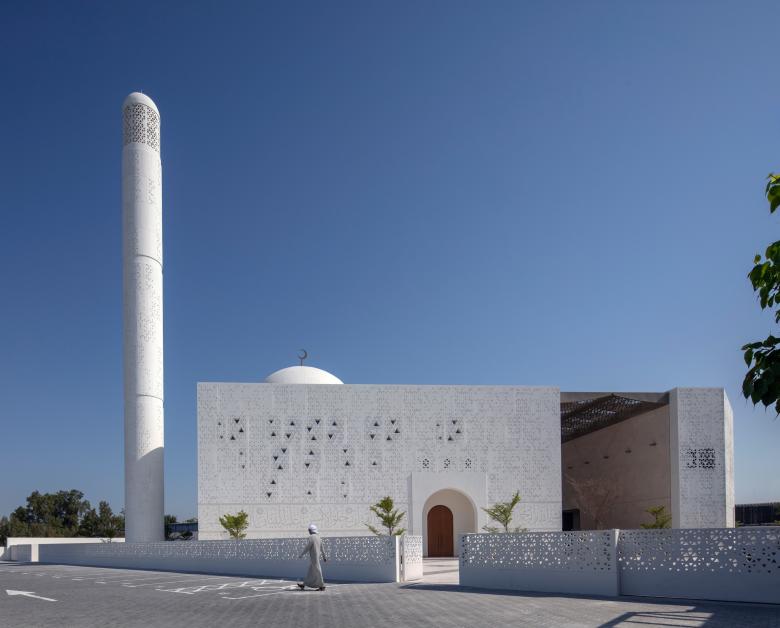
When it was completed, the project drew significant attention. It won a number of accolades and was nominated for the prestigious Aga Khan Award for Architecture—an honor it shares with the firm's Mosque of Mohammed Abdulkhaliq Gargash. Notably, both Mleiha and Gargash are also displayed in this year's Venice Architecture Biennale.
More than recognition, Mleiha marked a shift in how the firm worked—and who it worked for. “Cultural projects are different. They’re not about financial return; they serve communities, tell stories, and engage with the site and the history it holds,” Dabbagh explains. "That’s what excites me—projects that respond to their environment, that draw from their context and materiality and yet remain contemporary in their expression. That’s what Mleiha allowed us to do.”
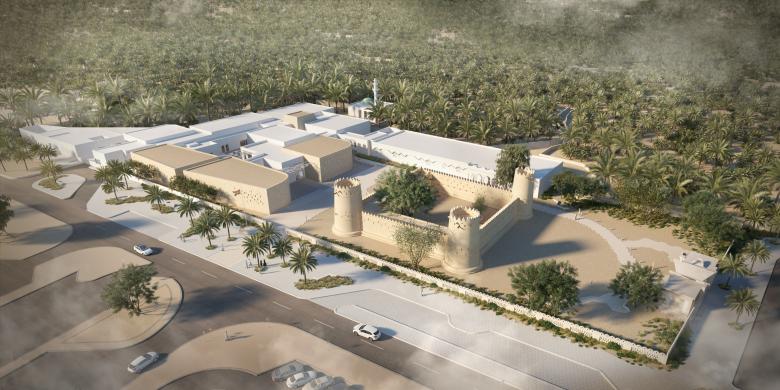
After that, new opportunities flooded in. One such project is the expansion of the Al Ain Museum, the oldest in the UAE. First commissioned in 2018 by the Department of Culture and Tourism Abu Dhabi to conserve the existing historic structures and design an extension, the project is set to be complete soon. “We were invited to bid on other cultural projects,” says Dabbagh, adding that in addition to local opportunities, the Visiting School at the Architectural Association in London invited her to speak about the Milieha Archeological Centre and provide a tour of the building for the participants. “They had a group of students and practitioners working in the region. It was a moment of recognition, but also a reaffirmation of why we do this—to create architecture that means something, that belongs.”