Elu Maja
Tallinn, Estonia
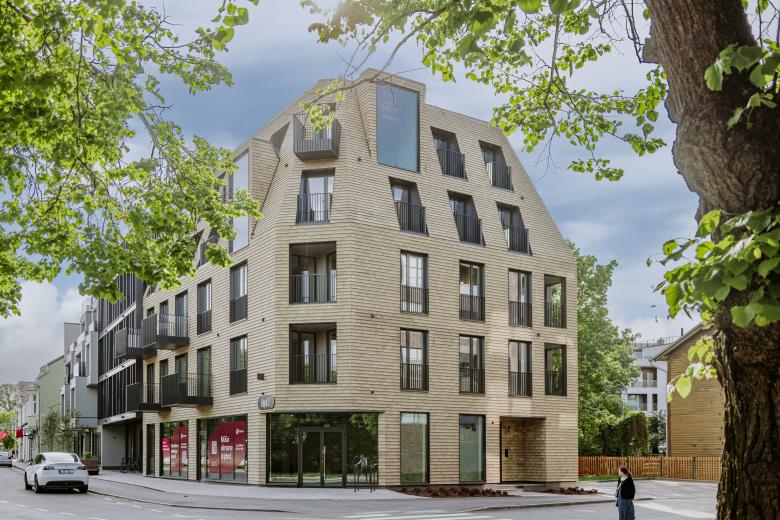
On the edge of Tallinn’s Old Town – a stone’s throw from the main railway station – a rather special apartment block is turning heads. The three-part «Elu Maja» building attempts to integrate modern architecture into a historically developed setting. The five-storey buildings, comprising a total of 32 flats, are a project by Hayashi–Grossschmidt Arhitektuur, which the renowned firm was able to realise in the heart of the Estonian capital.
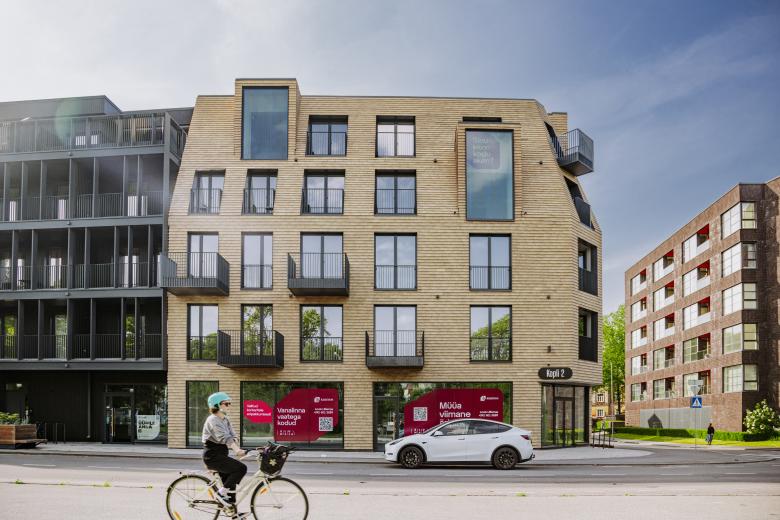
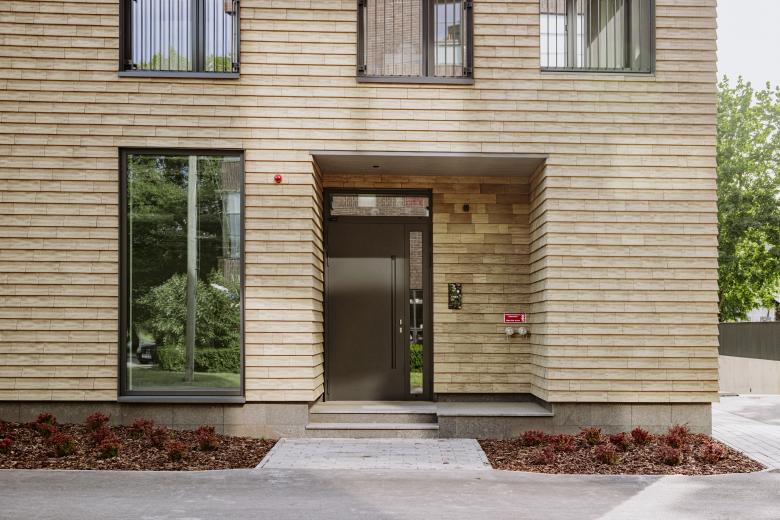
«In the open competition for the project, it was a requirement that the original development, consisting of three smaller buildings, be incorporated into the plans», explains architect Tomomi Hayashi in an interview. «Due to the location near the city centre, it was important to the developers of the site to take the historic surroundings into account.» To meet these requirements, the architects conceptually divided the project into three parts: a corner building and two further buildings along the street axis. Each part of the building has its own architectural language. The choice of materials also drew on the historic buildings in the Kalamaja district. The corner building of the ensemble stands out both for its design and its distinctive façade. «It was clear to us that we wanted to emphasise the corner building particularly, both architecturally and in terms of its materials», says architect Hayashi. Given the surrounding historic buildings, the initial idea was to use a timber façade.
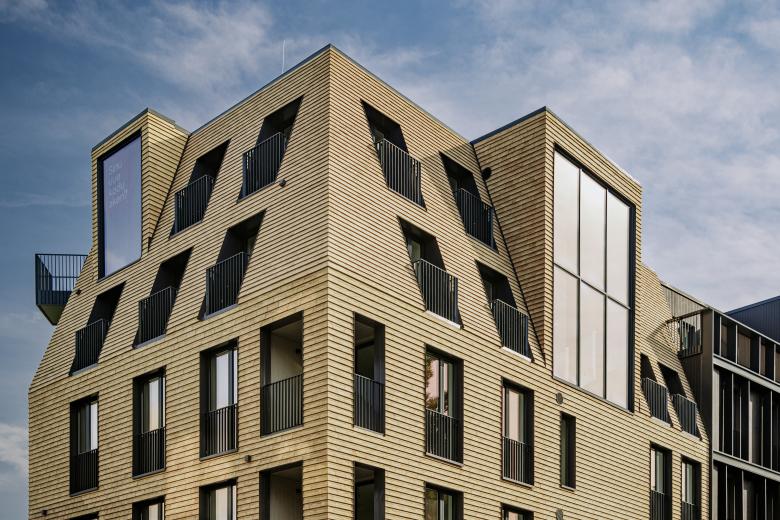
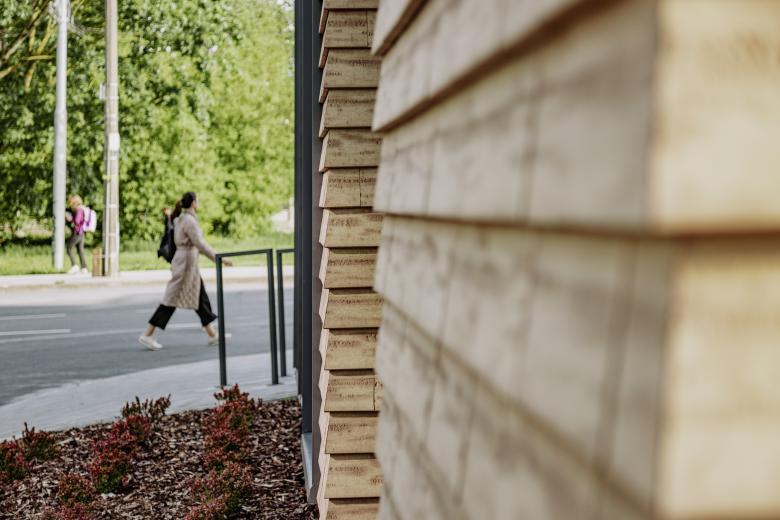
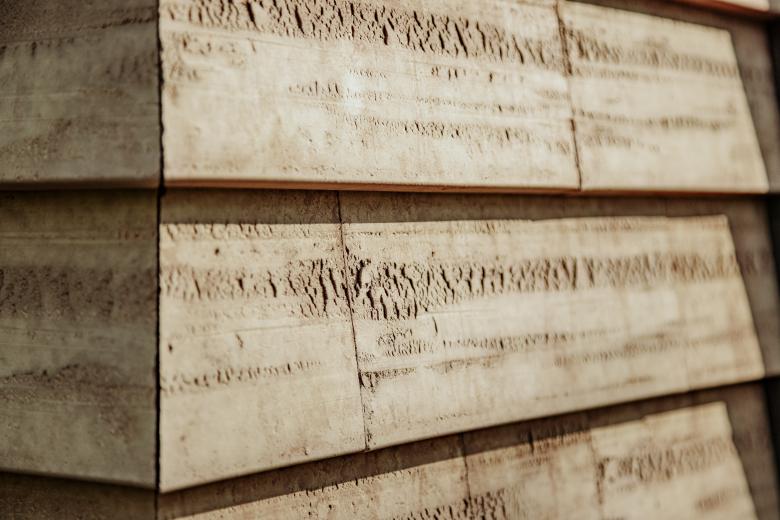
However, the architects were unsure about the durability of this material. Tomomi Hayashi was familiar with the use of bricks as a façade material from a previous project: «I particularly remember the horizontal structure of the façade, which is reminiscent of wood. The advantage is that we can combine an irregular appearance with the durability of fired bricks.»
The choice fell on the Urban L ceramic façade brick in the colour Frederiksberg from Zürcher Ziegeleien. «I was familiar with the successful Krøyers Plads project in Copenhagen by COBE Architects, where the façade bricks had already been used,» recalls the 54-year-old. The architect was particularly taken with the rough surface and the irregularities of the brick, which is manufactured in Laufen in the canton of Basel-Landschaft. Nevertheless, the investor first had to be convinced of the façade material, as clay is hardly used as a building material in Estonia. In the end, the advantages of a rear-ventilated façade and mechanical rather than adhesive fixing were decisive, alongside the aesthetic appeal.
- Manufacturers
- Zürcher Ziegeleien AG
- Year
- 2025
- Project Status
- Built
- Architecture
- Hayashi–Grossschmidt Arhitektuur