World Building of the Week
House of Remembrance of the Augustów Roundup
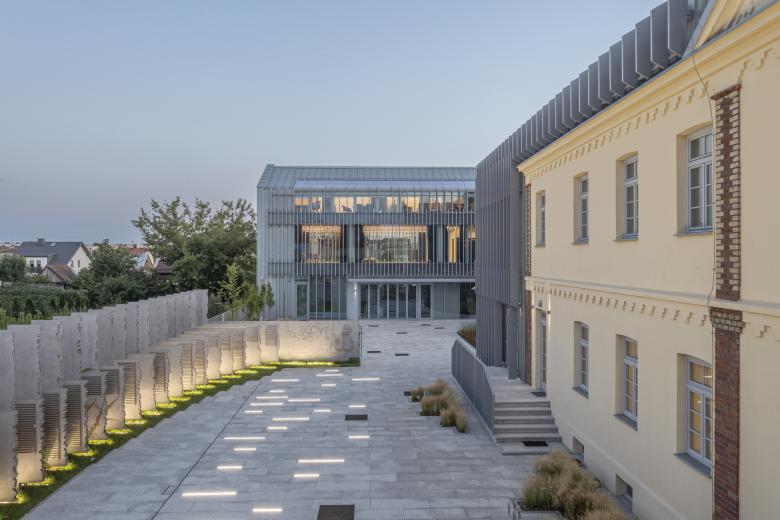
Eighty years after the Augustów Roundup, the tragic massacre of Polish soldiers and civilians by the Soviet Red Army, the House of Remembrance of the Augustów Roundup has opened in Augustów's historic Dom Turka. The architects at Tremend sent us some text and images on the project, which was recently named a WAF 2025 finalist in the culture category.
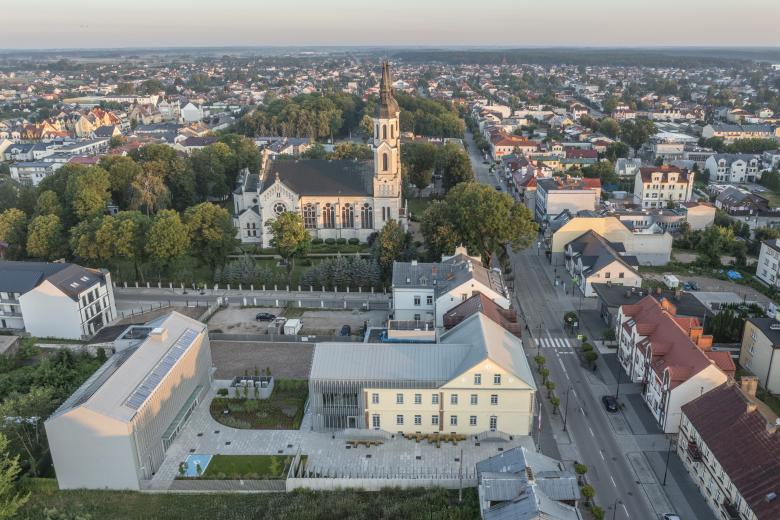
Dating back to 1900, the historic Dom Turka located in eastern Poland, in the town of Augustów, is a building with a rich yet tragic history, which for decades stood as a symbol of suffering and repression. Its role during the dark postwar years as the local headquarters of the Soviet NKVD and later the communist-era secret police office has made it an enduring part of the region’s collective memory. The most tragic event of this period was the 1945 Augustów Roundup massacre, in which hundreds of Polish soldiers of the anti-communist underground and civilians were killed by the Soviet Red Army and NKVD secret police. The 1945 massacre is regarded as the worst crime against the Polish nation after World War II.
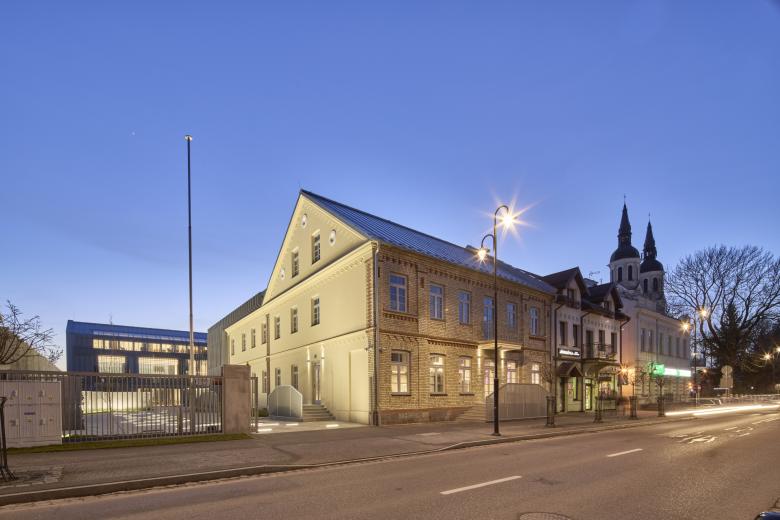
Today, thanks to a new redevelopment concept, this historic site is gaining new significance as the House of Remembrance of the Augustów Roundup, a cultural institution dedicated to commemorating this painful chapter of Polish history.
The renowned Polish architectural studio Tremend is responsible for the design of the renovation, expansion, and adaptation of the historic townhouse into a museum.
The adaptation of Dom Turka facility for museum purposes has been carried out with full respect for its historical value. The primary design objective was to create a space of remembrance that tells the stories of the victims of the Augustów Roundup in an engaging and thought-provoking way. By utilizing innovative solutions, the museum provides a deeper understanding of the historical context.
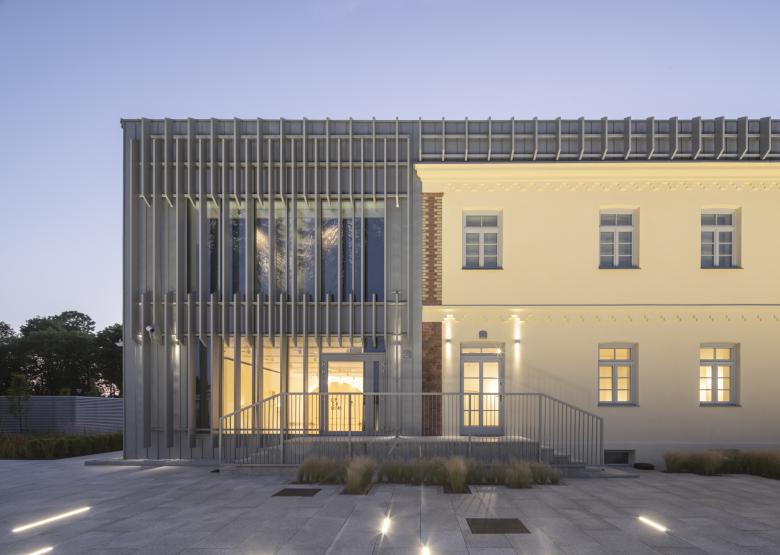
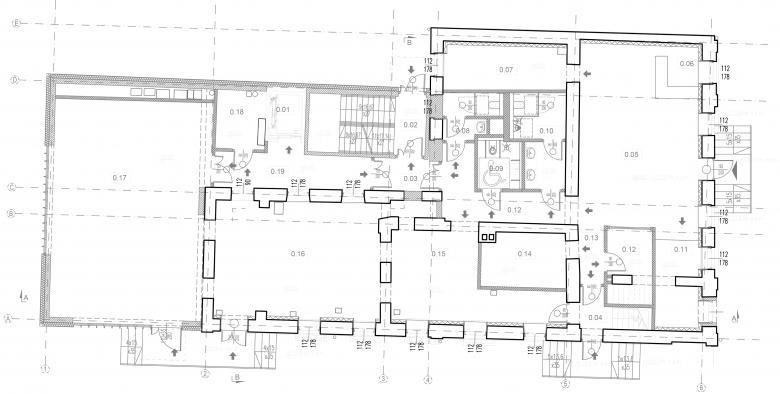
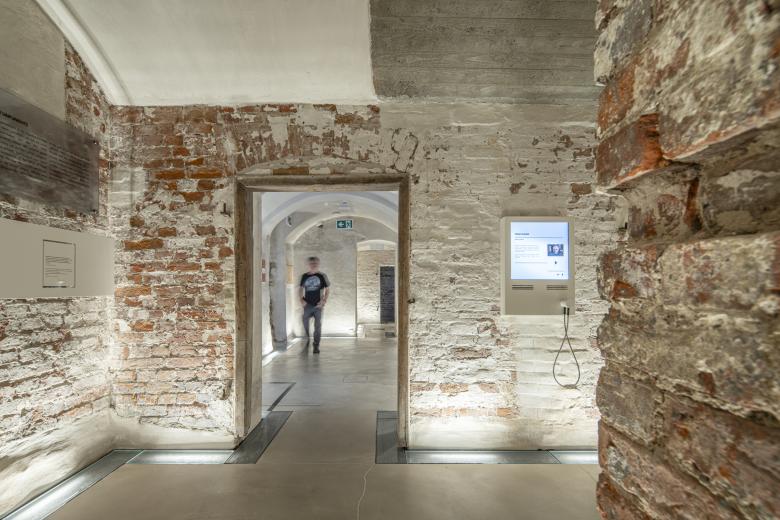
The renovation project preserves the original historic structure of the building, incorporating subtle modifications to enhance its functionality as a museum. The interiors have been carefully adapted to accommodate modern exhibitions while retaining authentic elements, such as traces of former cells and architectural details. These elements underwent detailed archaeological and research work during the project’s implementation.

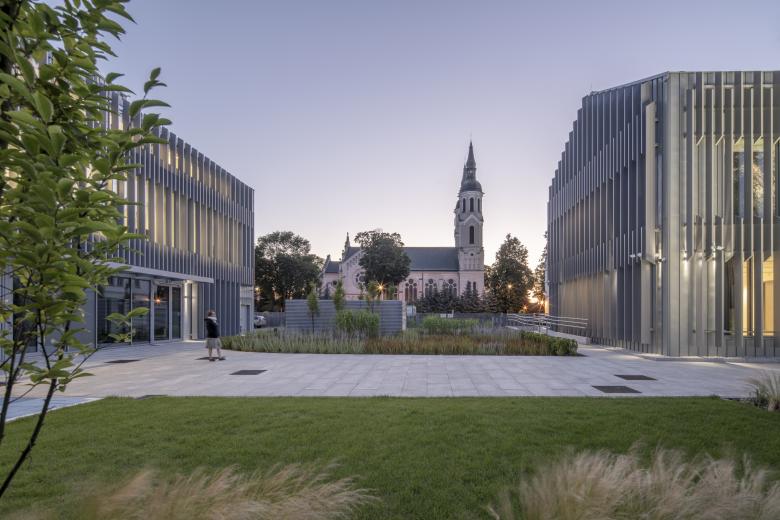
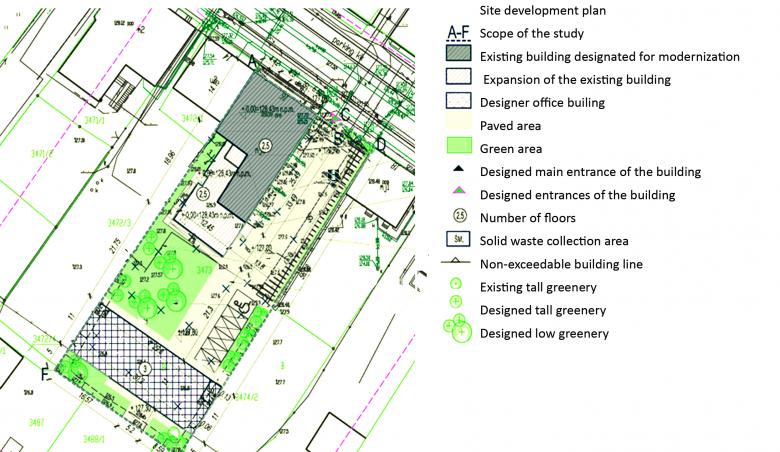
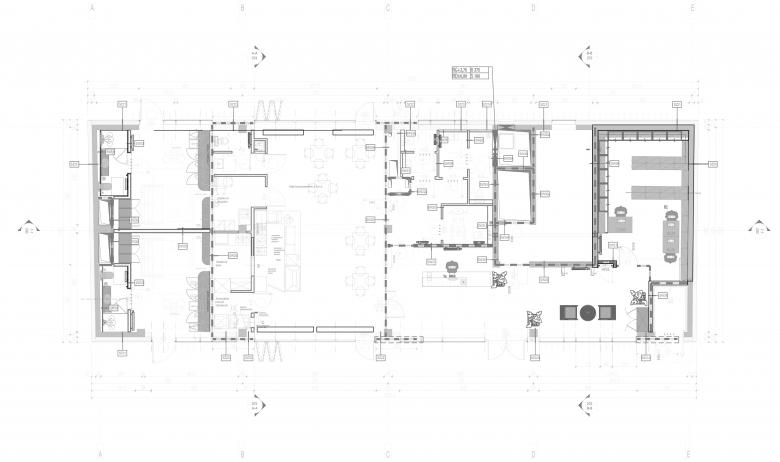
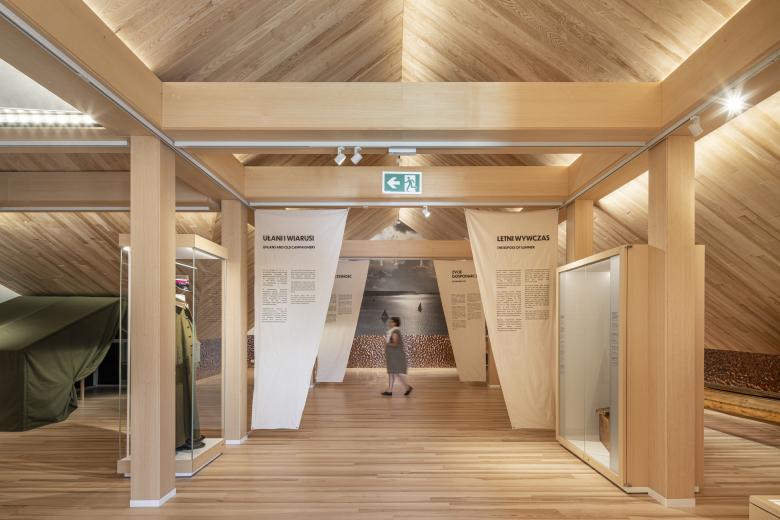
The institution, however, required more space for both exhibitions and administrative functions. The architecture of the new part of the museum—an extension of the existing building and a new structure located deeper within the plot, serving as a spatial counterpoint—continues the form of a townhouse from the turn of the 19th and 20th centuries, with its steep gable roof. Its façade is composed of a structure of vertical rhythms, which, through the sculptural use of light and shadow, gain variability depending on the time of day and year. Designed to serve as a subtle backdrop to the historic building, it also gently references the landscape of Augustów and its surroundings. On a symbolic level, the architecture alludes to the dense forests of the Augustów Forest, which was the place of the tragic events of the Augustów Roundup.
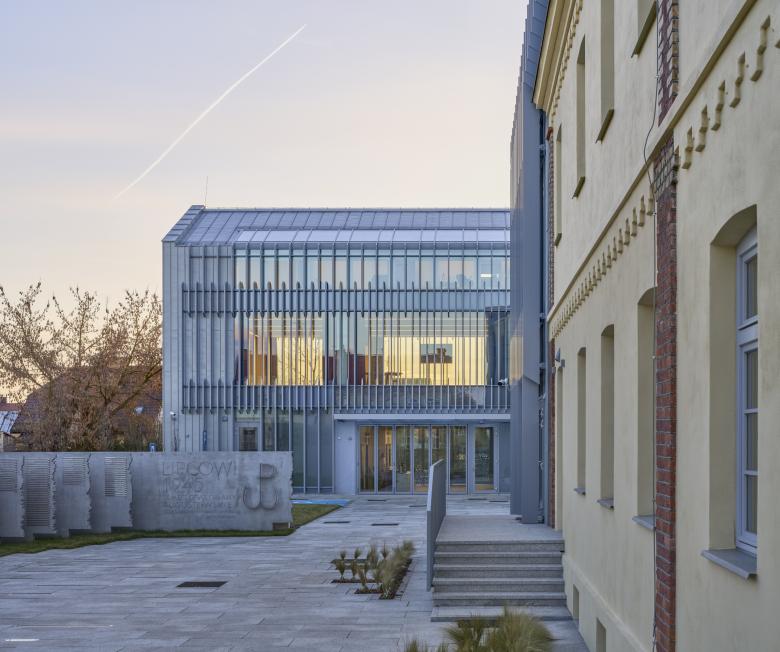
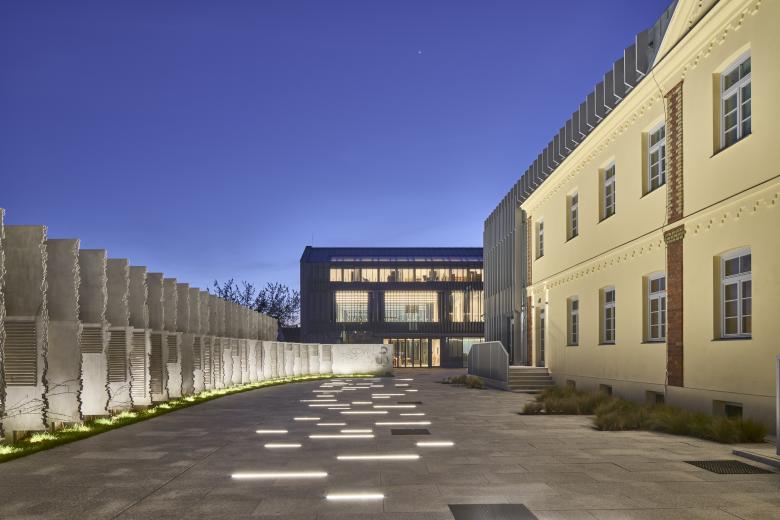
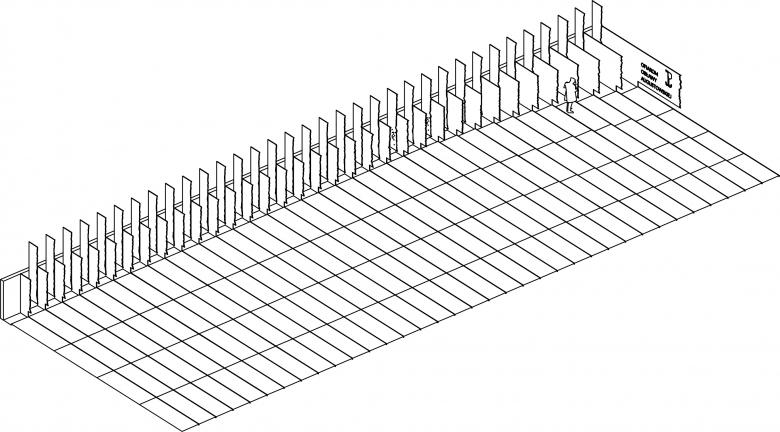
The design concept of the memorial site for the victims of the Augustów Roundup was inspired by the forest’s edge—both a site of execution and a place of refuge. Symbolically, it reflects the duality of hiding and revealing the truth. An integral part of the House of Remembrance of the Augustów Roundup is the Augustów Roundup Victims Memorial Wall. This installation, inscribed with the names of nearly 600 people murdered in 1945, serves as a symbolic tribute to the victims. For the authors of the design, it was important to connect the project to the specific place of its location, which is why they dedicated a significant amount of space to greenery, which is meant to grow between sculpturally crafted steel trees. This place is open to individual acts of remembrance, enabling families to place, for example, a flower or ribbon next to the name of a loved one.
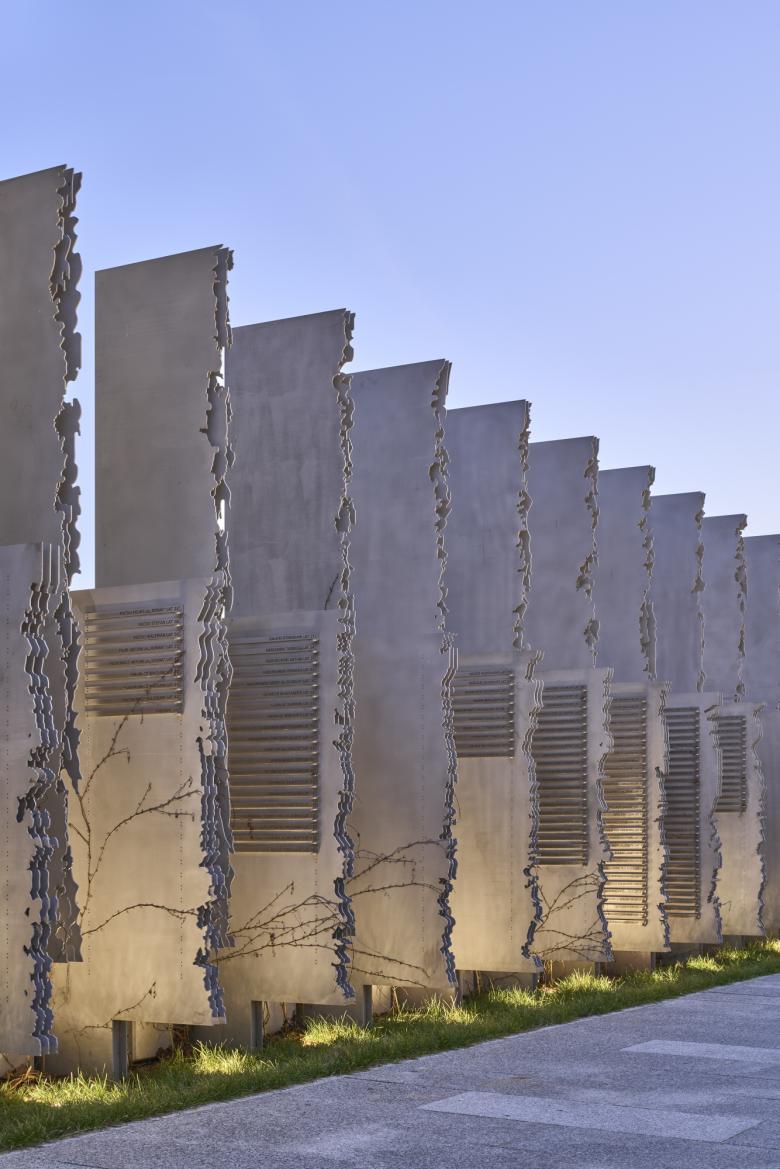
The opening of the museum in the modernized and expanded Dom Turka marks a step toward restoring the memory of the victims of the Augustów Roundup and paying them due tribute. The redevelopment of this historic building is not just an act of conservation but, above all, a testament to the commitment to historical truth and national identity. As a result, Dom Turka ceases to be merely a symbol of suffering—it becomes a place where history is retold with future generations in mind. This transformation aligns with broader efforts to preserve national heritage and build an informed society that draws strength from the past to shape a better future.
Location: Augustów, Poland
Client: The Pilecki Institute
Architect: Tremend, Warsaw and Wrocław