CTBUH Rebrands to CVU
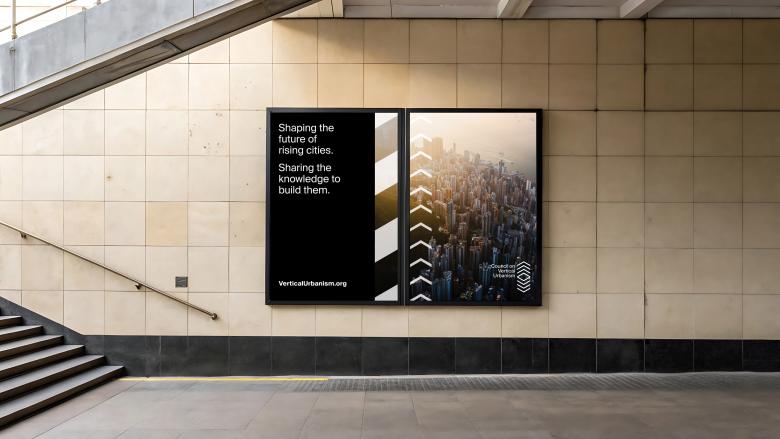
The Chicago-based nonprofit organization formerly known as the Council on Tall Buildings and Urban Habitat (CTBUH) has rebranded as the Council on Vertical Urbanism (CVU), a name the group contends “more clearly reflects our expanded global vision and the future we're helping to shape.”
Since its founding in 1969, the organization now known as the Council on Vertical Urbanism has been known best for setting the standards by which tall buildings are measured and ranked—and for occasionally sparking debates over those standards. One need only visit Skyscraper Center, the organization's online database of tall buildings, to see how skyscrapers are given three heights: Occupied, Architectural, and To Tip, with Architectural determining the world’s tallest title. Such a determination means, to cite one controversial example (from 1996, three years after CVU began arbitrating heights), that the height of the Sears (now Willis) Tower does not include its antennae, but the spires atop the Petronas Towers do count in their architectural heights. There was further controversy in 2013, when then-executive director Antony Wood affirmed that One World Trade Center's antenna-like “mast” did count in its architectural height, thereby bumping Willis Tower from its spot as tallest skyscraper in the United States.
Beyond being the recognized arbiter on tall building height and the body that ranks the tallest buildings in the world and in various countries, the CVU—under CEO Javier Quintana de Uña since January 2022—has performed research and published technical guidelines and research papers on tall buildings, given out annual awards on the best tall buildings, and held annual thematic conferences around the world, among other efforts. Its 2025 conference, being held right now in Toronto under the title “From the Ground Up: Tall Buildings and City-Making,” points to the broadening of CVU's efforts and focus over the last 56 years: from individual tall buildings to urban habitats and the view that increased density in cities is the most sustainable way forward.
As spelled out on its launch page, the rebranded Council on Vertical Urbanism “explores how tall buildings can provide three-dimensional solutions to the most pressing challenges confronting cities today.” It continues: “As the Council on Vertical Urbanism (CVU), we're embracing a broader, more ambitious mandate: to define and steward responsible density in cities worldwide. This new identity honors and celebrates decades of thought leadership while laying the foundation for even greater impact, wider collaboration, and a more holistic vision for vertical living. […] While tall buildings remain central to our mission, the name ‘Council on Vertical Urbanism’ more accurately reflects our focus on guiding cities toward sustainable, livable, and innovative solutions to density across the globe.”
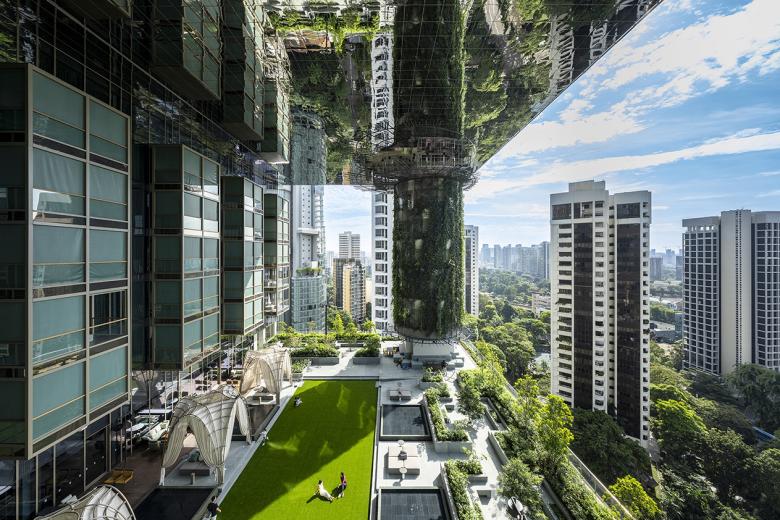
Put simply, CVU is shifting from an organization that solicits and stores data and shares knowledge—tasks they will continue to do— to advocating for a way of thinking about tall buildings and urban environments: as one. Last year's Best Tall Building Worldwide Winner, WOHA's Pan Pacific Orchard in Singapore, seems to be something of an ideal in this regard: its large terraces lift the landscape of the city into the vertical realm, providing its occupants environments often missing in tall buildings. In turn, one can see in CVU's awards, with their focus on “sustainability and human well-being at the highest and broadest level,” how the organization has long advocated for “responsible density” in vertical urbanism—a concern that has now reached all the way to its name and branding.