A Micro-Exhibition on Micro-Dwellings
All photographs by John Hill/World-Architects
The Many Lives of the Nakagin Capsule Tower opened in MoMA’s street-level galleries on July 10. The small exhibition documents Kisho Kurokawa's groundbreaking residential project located in Tokyo’s Ginza District from 1972 until 2022, through dozens of artifacts, an interactive virtual tour, and a salvaged capsule from the tower. World-Architects visited on opening day and took some photos.
Although Nakagin Capsule Tower was the only built realization of Metabolism, which MoMA defines as “an avant-garde Japanese movement of the 1960s whose members imagined cities and buildings that could adapt over time,” the famous building designed by Kisho Kurokawa (1934–2007) could not be saved by the wrecking ball in 2022, when it turned 50.
The tower featured 140 prefabricated modules with living space and bathrooms bolted to two vertical cores; the capsules were designed for a 25-year lifespan and meant to removed, restored, and rearranged as needed, but that never happened. Preservationists tried to halt the demolition of the building on its architectural merits, but deferred maintenance and rising costs of rehabilitation made building a new luxury hotel the preferable choice to the owner of the site.
While demolition could not be halted, the Nakagin Capsule Tower Preservation and Restoration Project, with the cooperation of Kisho Kurokawa Architects & Urban Design Office, was able to save some of the capsules, and then restore and distribute them to museums in and beyond Japan. One of them—A1305, from atop tower A—is on display as part of The Many Lives of the Nakagin Capsule Tower.
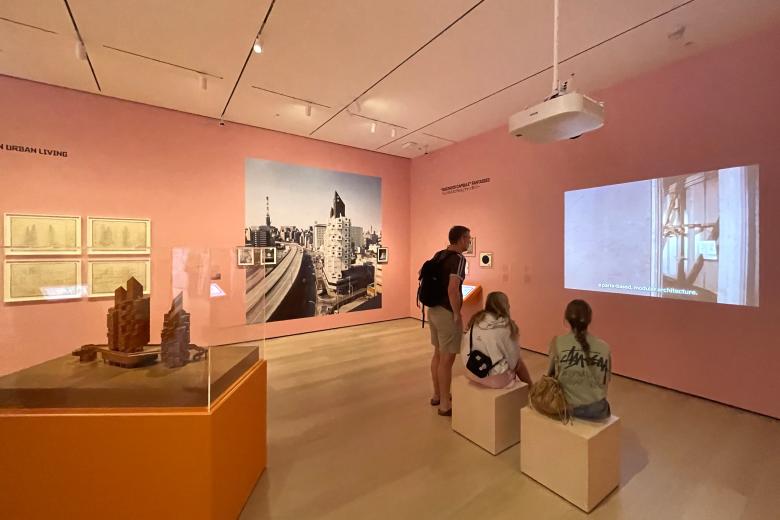
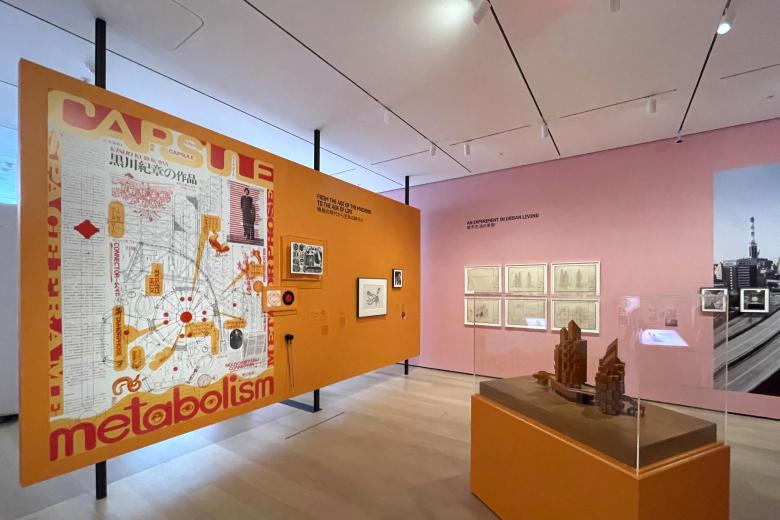
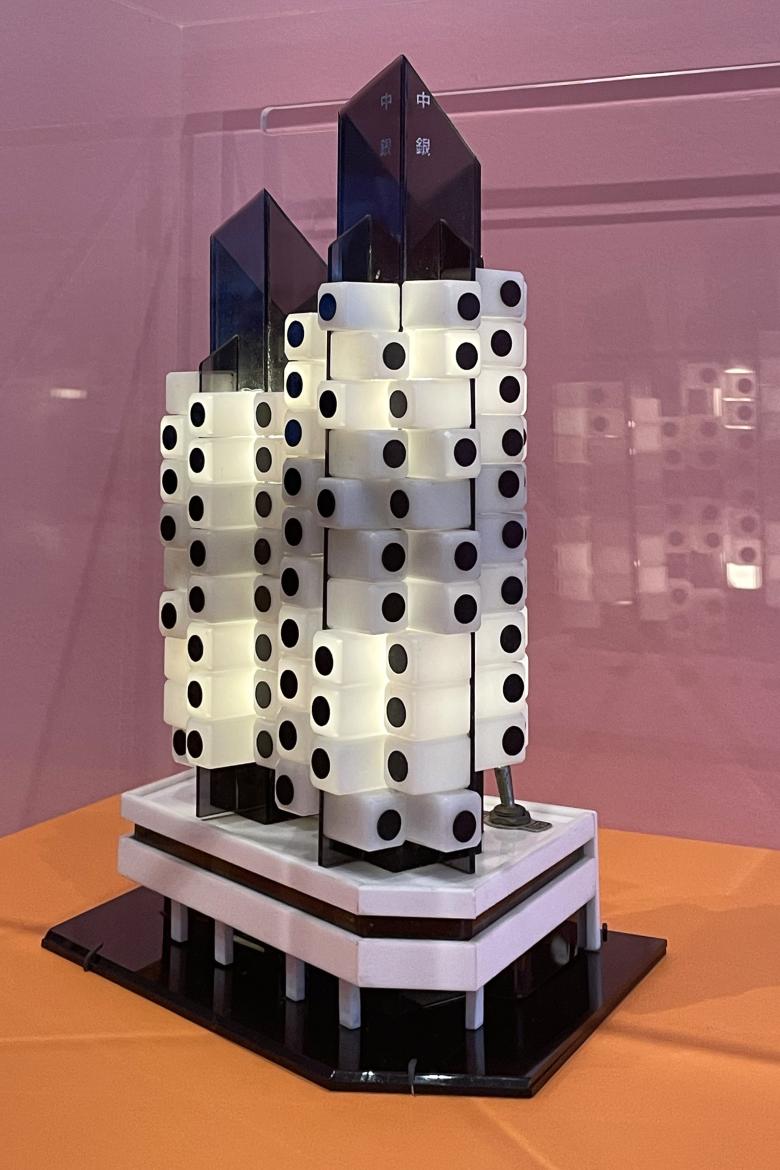
The small exhibition is broken down into two galleries, with the first devoted to archival materials: drawings, photographs, the only surviving model (from 1971), publications, and a video from 1974.
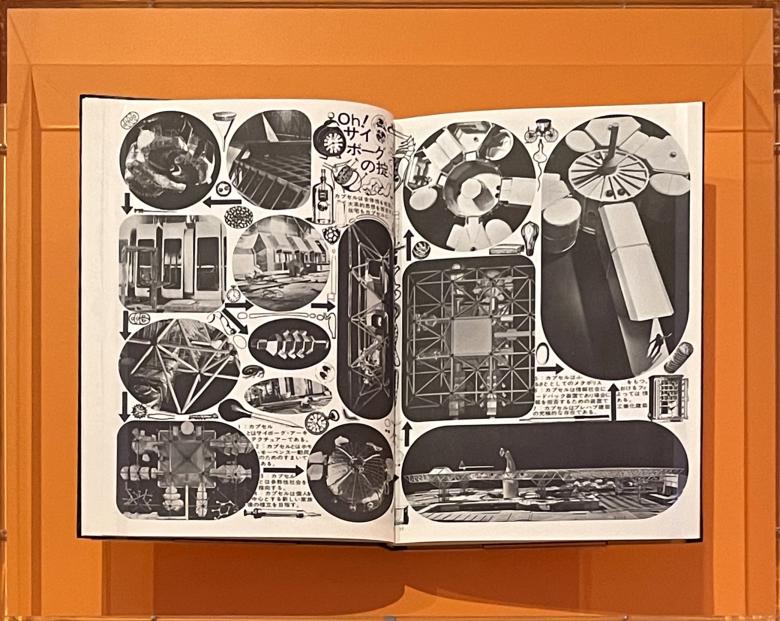
In addition to documents on the design and construction of Nakagin Capsule Tower, the first gallery features artifacts related to the Metabolism movement, including pages from Kisho Kurokawa's 1970 book Capsule, Metabolism, Spaceframe, Metamorphose.
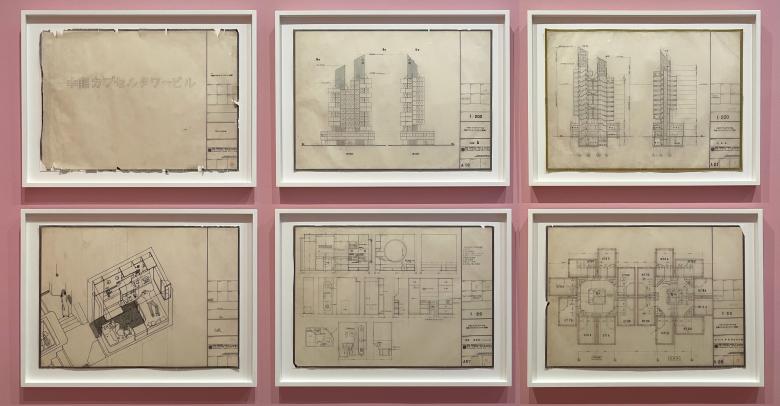
Architects should appreciate seeing original working drawings from Kisho Kurokawa's office…
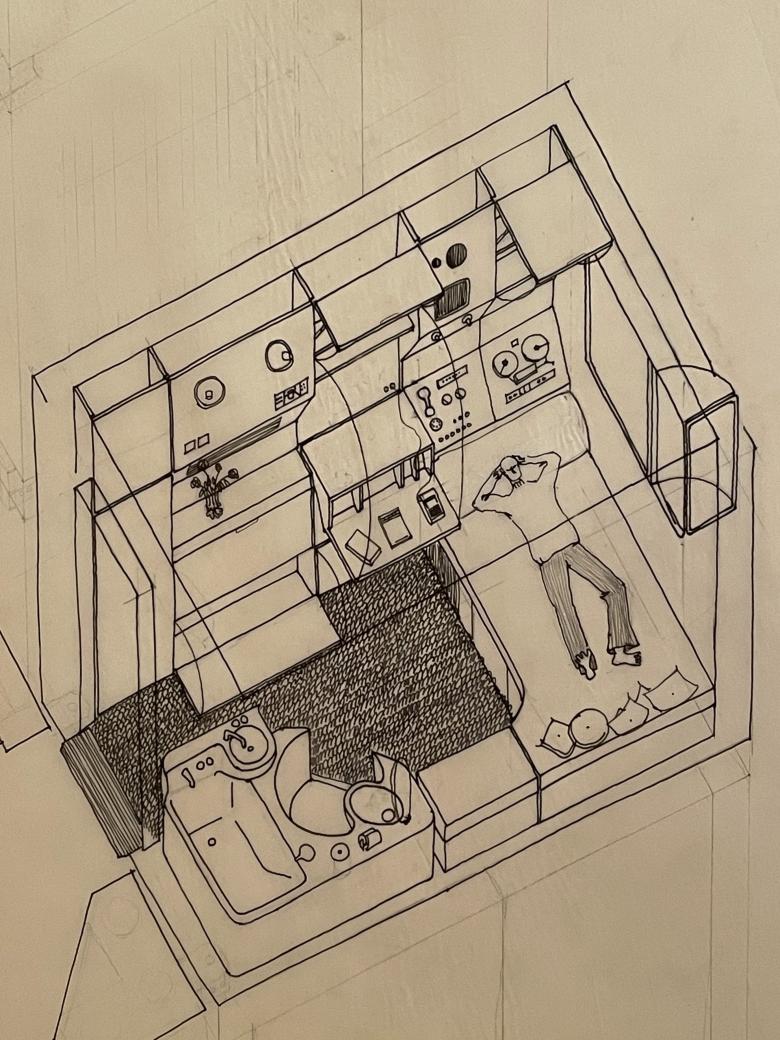
…one of which features an axonometric view of one of the capsules and its built-ins.
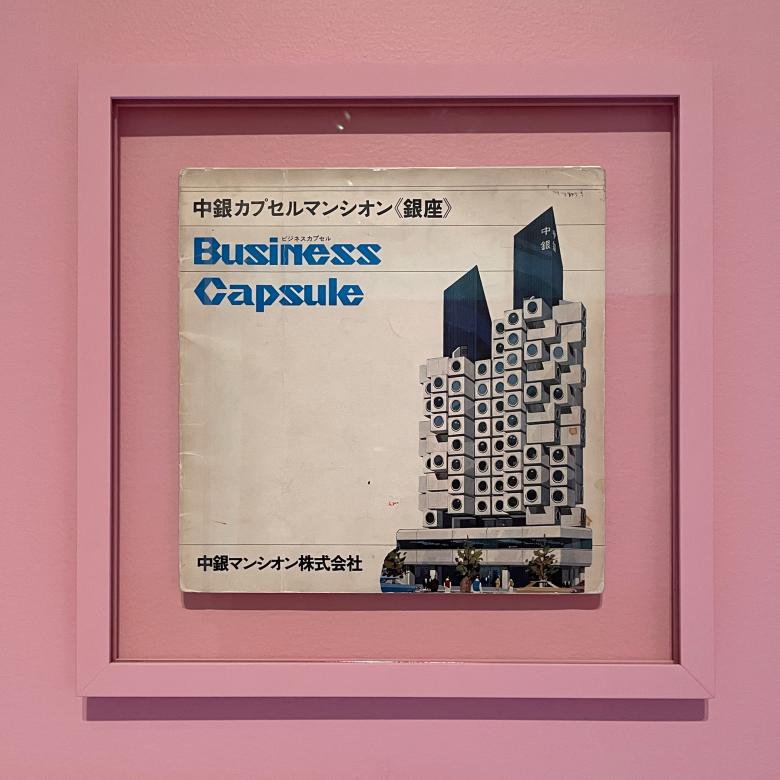
Original brochures and other artifacts reveal the promotion of the tower to businessman at the time of its completion in 1972.
One of the most curious artifacts in the exhibition is a commemorative lamp given to the first 140 tenants of the capsules; it was gifted to MoMA from a later occupant of the tower.
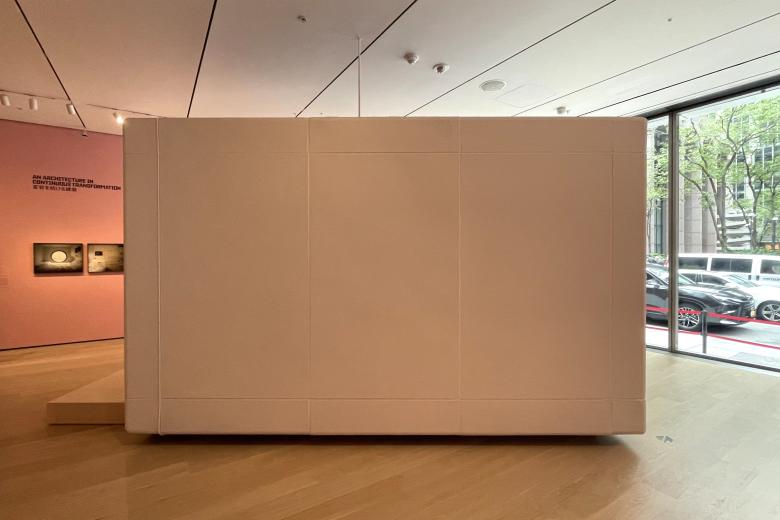
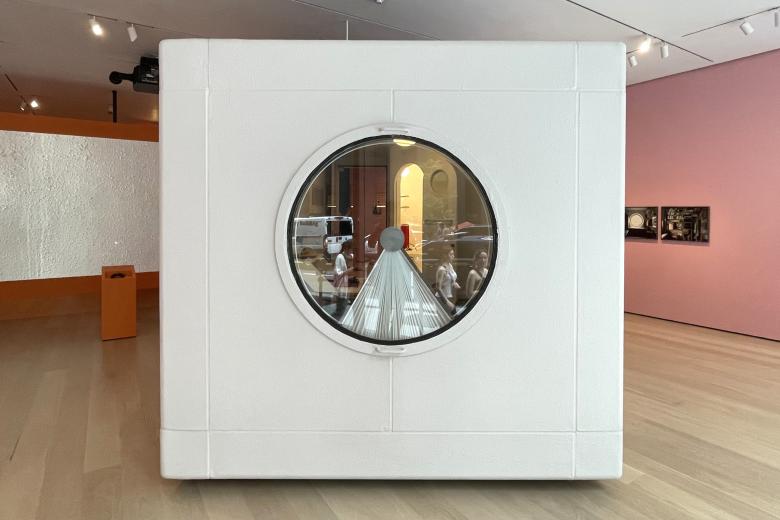
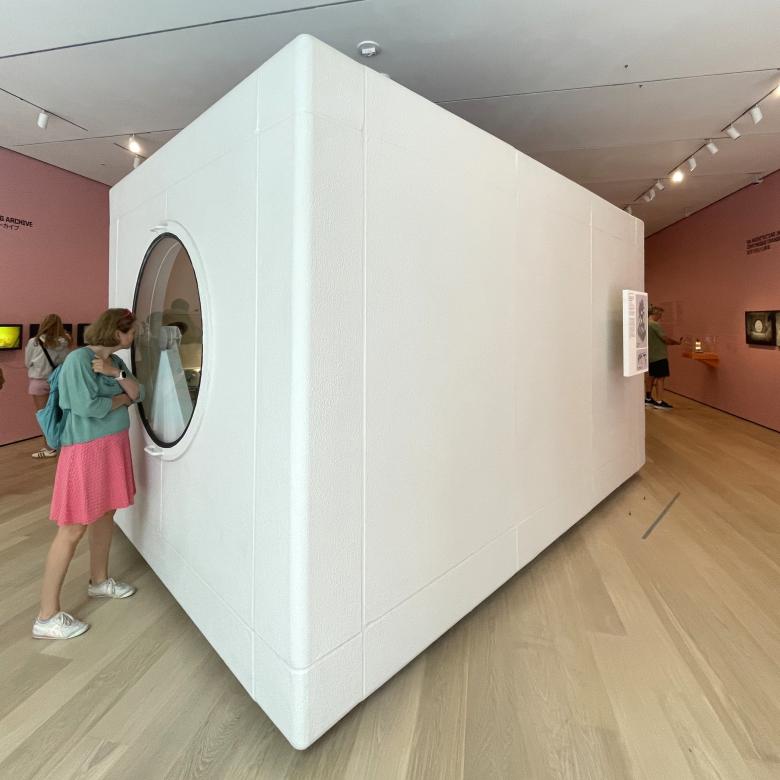
The second gallery, visible to passersby on West 53rd Street, jumps forward to the Nakagin Capsule Tower ahead of its 2022 demolition, as revealed in photographs, videos, and an interactive virtual tour on the walls, and capsule A1305 in the middle of the space.
According to MoMA, A1305 “was among the best-preserved” of the 23 capsules saved ahead of demolition; it was restored with the help of Kurokawa's office.
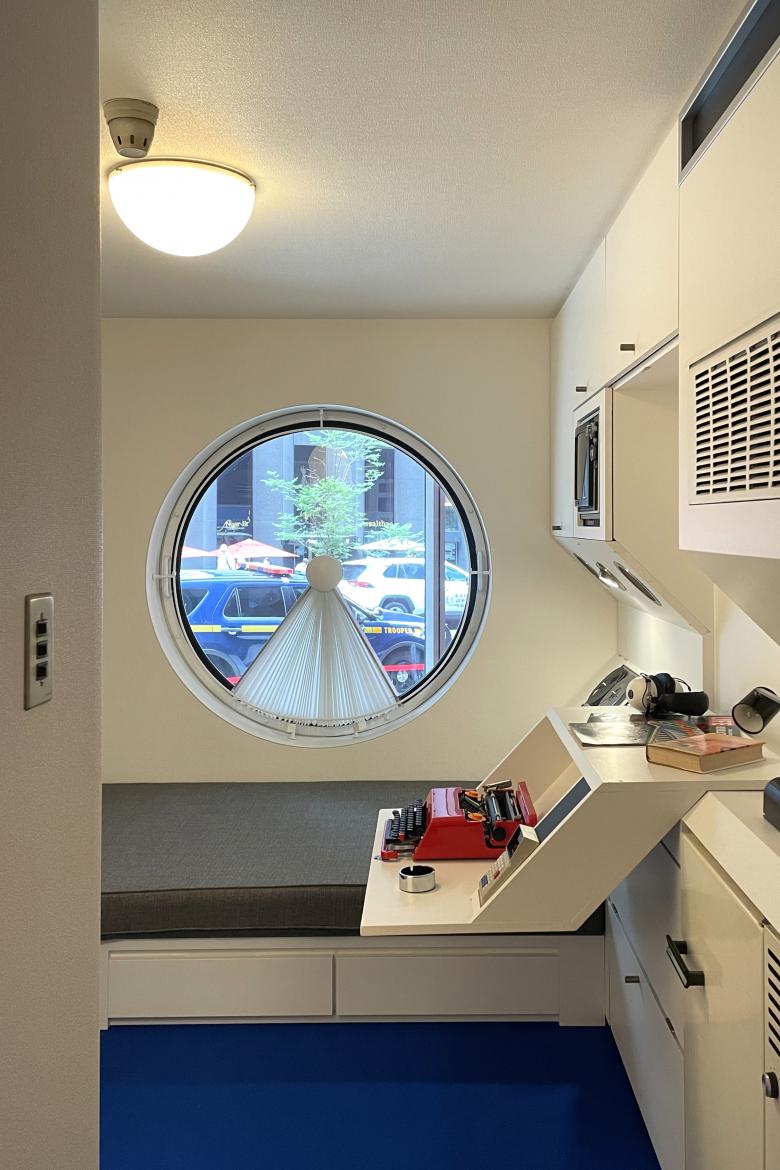
Although visitors are restricted to peering into the capsule's interior through the porthole window and the open entry door, MoMA members will have the opportunity to “enter the capsule during a number of special activation events.”
MoMA staged the interior “with objects once used to promote the capsule to businessmen, including an Olivetti typewriter, a Sharp calculator, and Pioneer headphones,” items seen in the promotional literature in the first half of the exhibition.