Atelier Bow-Wow Wins Daylight Award for Architecture
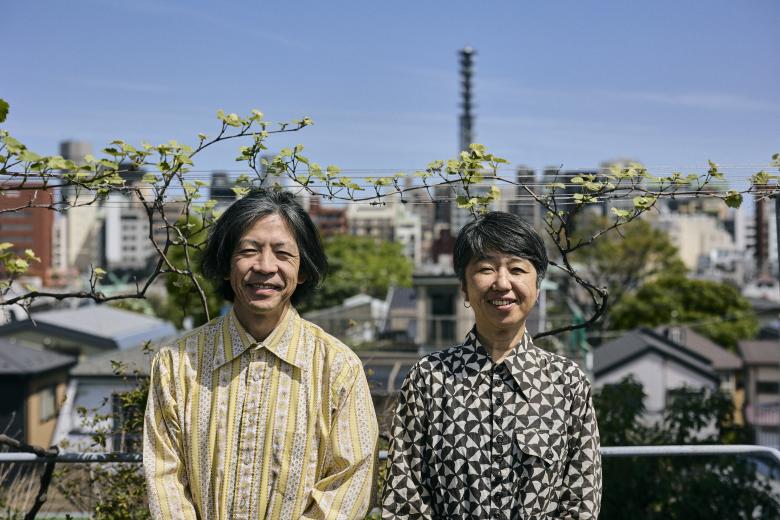
The Villum Fonden, Velux Fonden, and Velux Stiftung sister foundations have announced the 2026 winners of The Daylight Award, the biennial award that honors and supports daylight research and daylight in architecture. Architects Momoyo Kaijima and Yoshiharu Tsukamoto of Atelier Bow-Wow are the recipients of the Daylight Award for Architecture.
Created in 2007, The Daylight Award “acknowledges and encourages scientific knowledge and practical application of daylight, which interlink disciplines that are usually addressed in separated, monocultural spheres, professional circles or practices.” With its focus on daylight research and daylight in architecture, the biennial awards are given out in two categories: The Daylight Award for Architecture, “awarded to one or more architects or other professionals who have distinguished themselves by realizing architecture or creating urban environments that showcase unique use of daylight” (past laureates have included Alberto Campo Baeza, Yvonne Farrell and Shelley McNamara of Grafton Architects, and Steven Holl); and The Daylight Award for Research, “awarded to individuals or smaller groups of scientists who have distinguished themselves as outstanding contributors to internationally recognized daylight research.”
This year's laureates of the Daylight Award for Architecture are Momoyo Kaijima and Yoshiharu Tsukamoto of Atelier Bow-Wow, who are being “honored for showing how daylight shapes shared spaces and daily life.” The laureates of the Daylight Award for Research are biologists Brittany N. Zepernick, Steven W. Wilhelm, and R. Michael McKay “for their key insights into the role of daylight in photosynthetic algae in a changing climate.” Each award comes with €100,000. This year's awards were announced on Thursday, May 16, not coincidentally the UNESCO International Day of Light.
Momoyo Kaijima and Yoshiharu Tsukamoto founded Atelier Bow-Wow in 1992 in Tokyo, where they still practice, now with partner Yoichi Tamai. While the studio has completed dozens of projects over its 34 years, they tend to be small and medium sized buildings, ranging from residential buildings to offices, kindergartens, gallery spaces, research buildings, workshops, and ad hoc architecture. The appeal of the last are evident in two celebrated books the couple produced early in their career, Made in Tokyo (2001) and Pet Architecture (2002), respectively exploring mixed-use and and micro buildings in their home city. Broadly, they define their approach to architecture as “behaviorology,” in which their designs emerge from synthesizing human behavior, environmental elements, and urban surroundings. The integration of observation and research has extended to their teachings at Tokyo Institute of Technology, University of Tsukuba, ETH Zurich, and other schools, as well as such publications as WindowScape: Window Behaviorology and The Nordic Window: Window Behaviorology in Nordic Architecture.
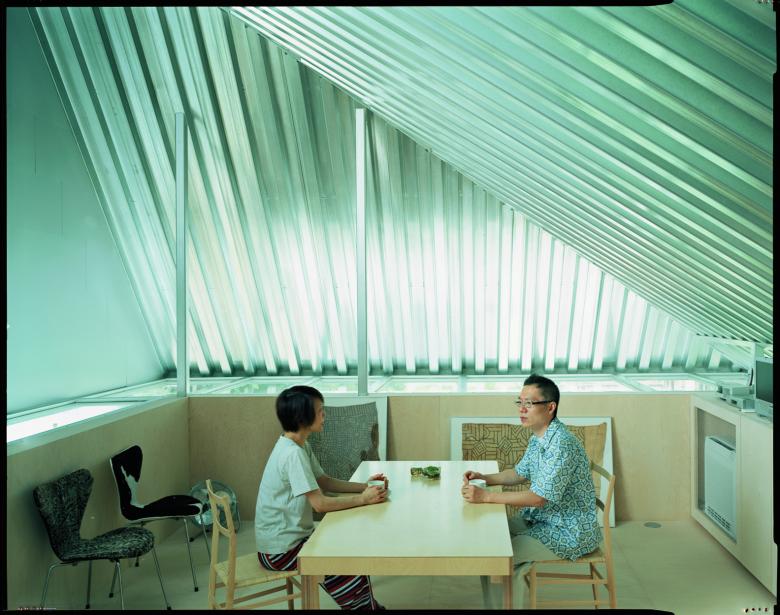
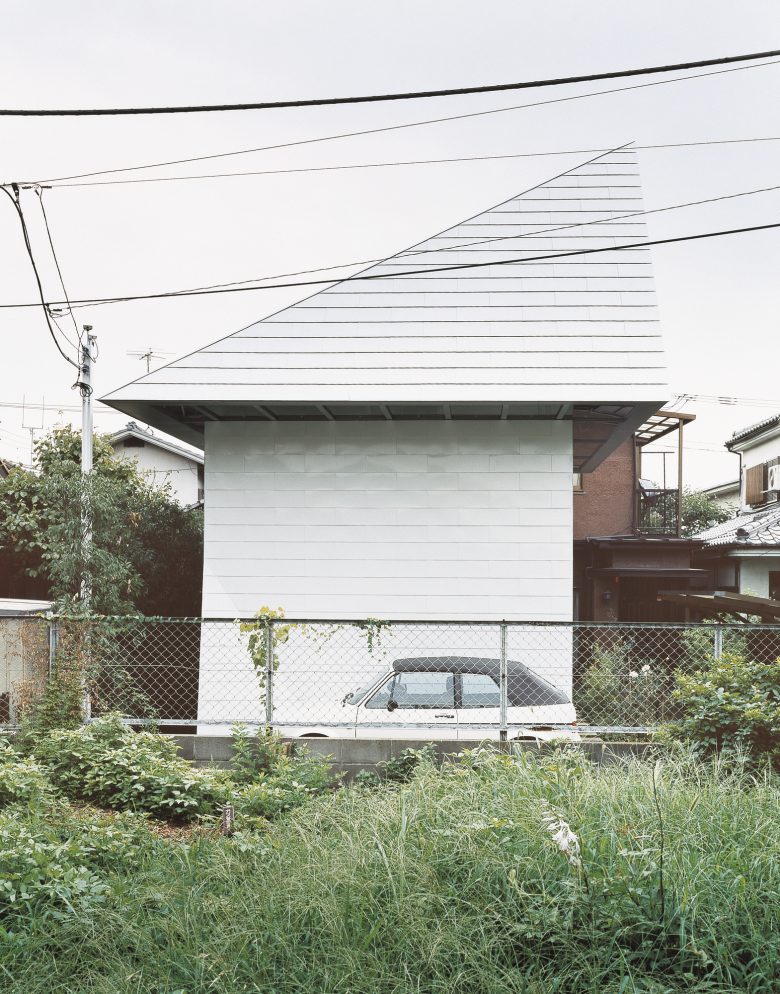
Not surprisingly, the jury commends the way Atelier Bow-Wow uses windows to introduce natural light, though one of the examples singled out in their citation—the Gae House in Tokyo (2003)—does so in an unconventional manner: “This single-family home in a densely populated urban environment introduces a new typology of openings by incorporating the traditional eaves of the pitched roof into the building volume, glazing them horizontally and thus capturing the reflected daylight from the surroundings, which is guided into the room along the metal roof underside.”
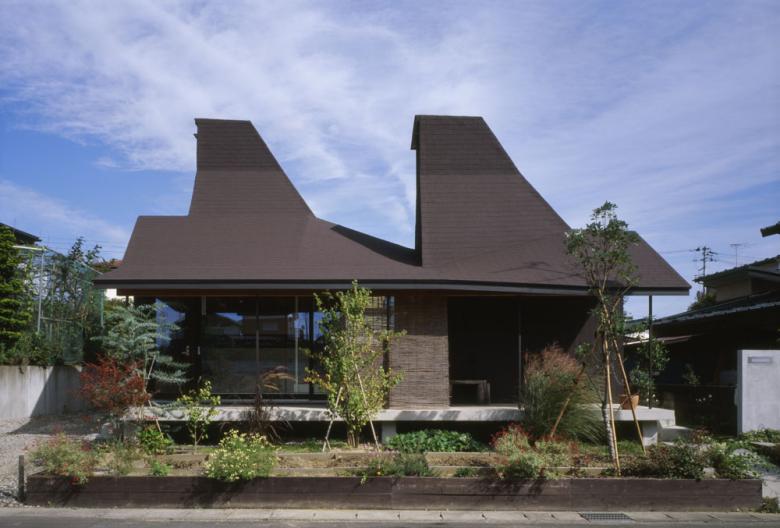
Also mentioned by the jury is the later Nora House in Sendai (2006), whose unusual roof design results from two chimneys that ventilate air but also introduce natural light. “Beneath the expressive roof shape,” the jury writes, “the interior space extends over several levels and opens up with a wide window front facing the grandparents’ house directly opposite.”
“The work of the two architects is … not defined by the imposing scale of their buildings, elaborate detailing or an unmistakable design language, but rather by their empathy for the vernacular, the particular locations and specific tasks at hand, their commitment to existing structures, and their inventive and skillful use of architectural means. The essential factor here is the usage of the buildings, their vital relationship with daylight and weather, and with the inhabitants. In this capacity, the work of Momoyo Kaijima and Yoshiharu Tsukamoto is distinguished and exemplary in contemporary architecture.”
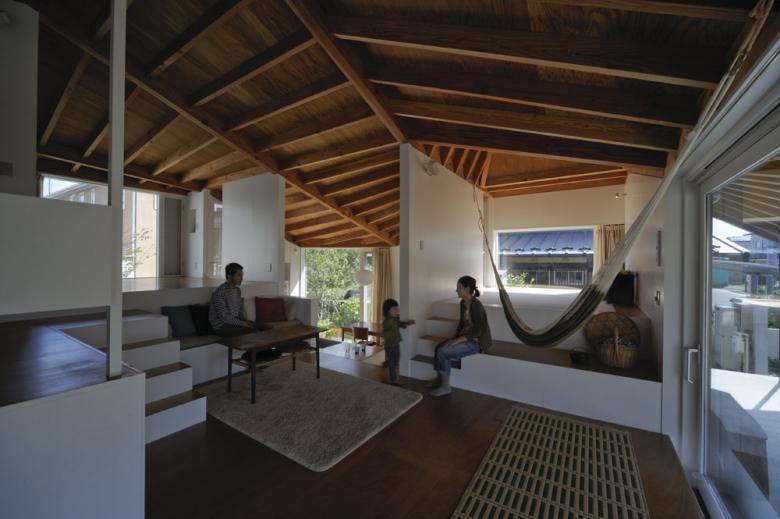
“Sunlight creates a sense of time, mornings, evenings. People once lived in rhythm with it, rising and sleeping with the sun.” (Momoyo Kaijima)
“Daylight gradually changes with the sun’s movement, the color shifts, the angle shifts, and that's something we should use as effectively as possible.” (Yoshiharu Tsukamoto)
“Things like light, wind, the view and the behavior of the people who are drawn to it, all these things gather around a single window.” (Yoshiharu Tsukamoto)
“A good window is about feeling the seasons while basking in the light, looking at the sky, and thinking about the fact that there is a place to be.” (Momoyo Kaijima)