Masaar By Arada
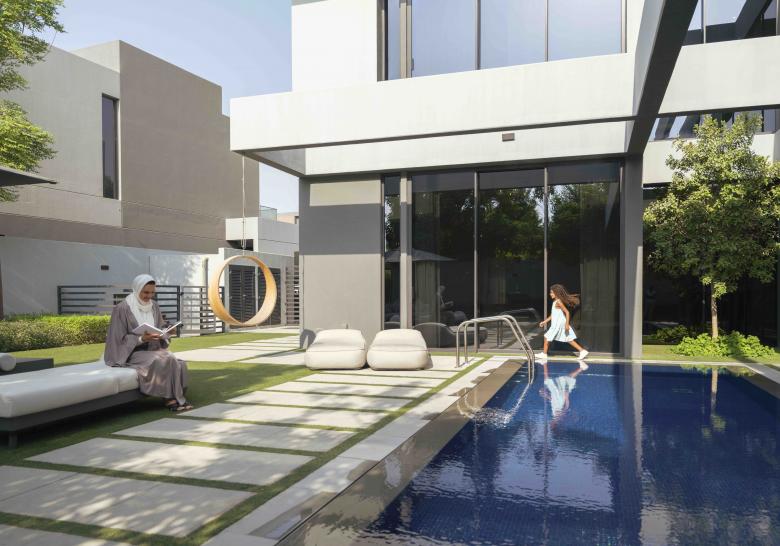
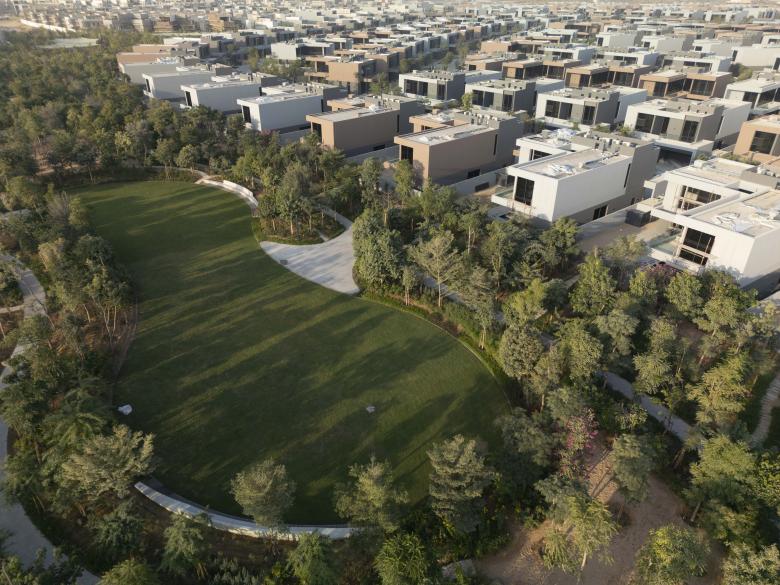
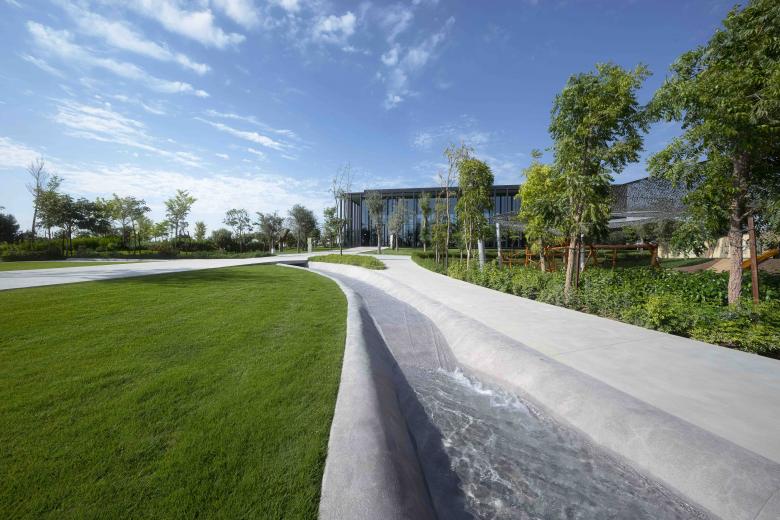
Masaar by Arada is a large-scale residential masterplan in Sharjah. The project is conceived as an architectural response to landscape as infrastructure. It is organised around a continuous five-kilometre forest spine, where nature acts as the organising principle for movement, orientation, and everyday life.
Dewan Architects + Engineers acted as lead consultant and architect of record for the Sendian, Kaya, and Robinia phases, delivering more than 1,400 villas and townhouses within a wider masterplan of over 3,500 homes. The architecture is deliberately low-rise, allowing the built form to remain secondary to the landscape while establishing a strong sense of enclosure and community at the neighbourhood scale.
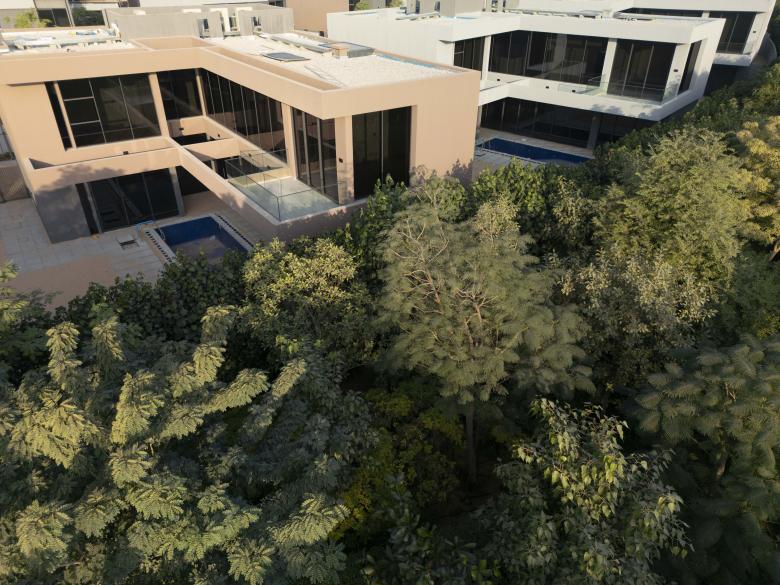
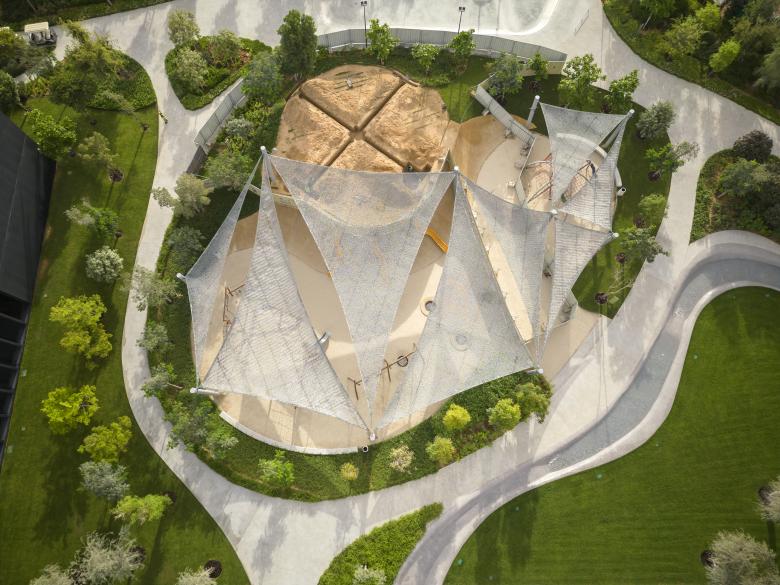
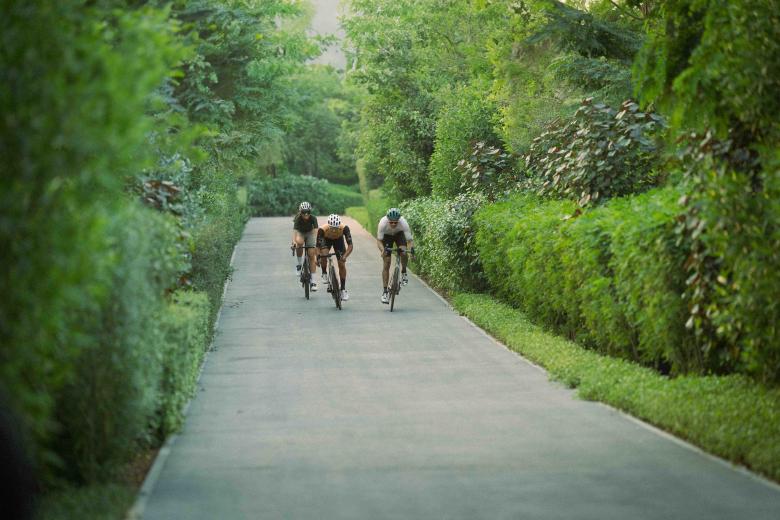
The spatial experience unfolds as a sequence of transitions between built and planted environments. Homes are arranged to maintain direct visual or physical connections to green spaces, with pedestrian and cycling networks woven through shaded paths, parks, and communal clearings. This structure prioritises walkability, slows movement, and creates a rhythm of compression and release across the site.
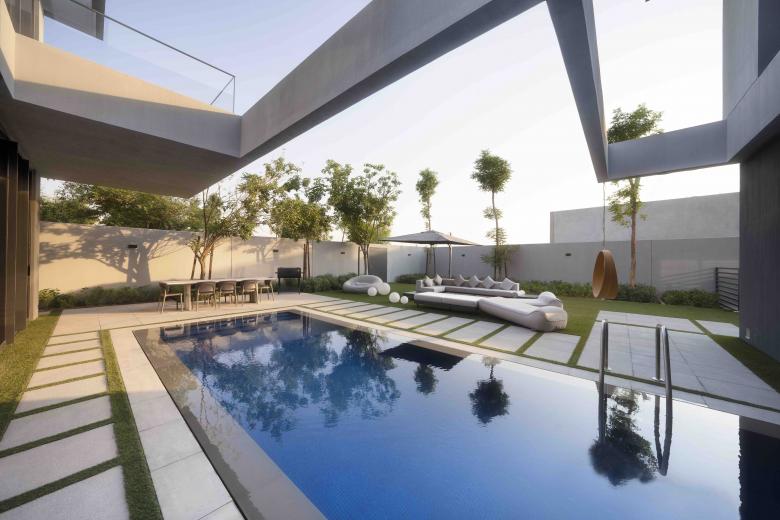
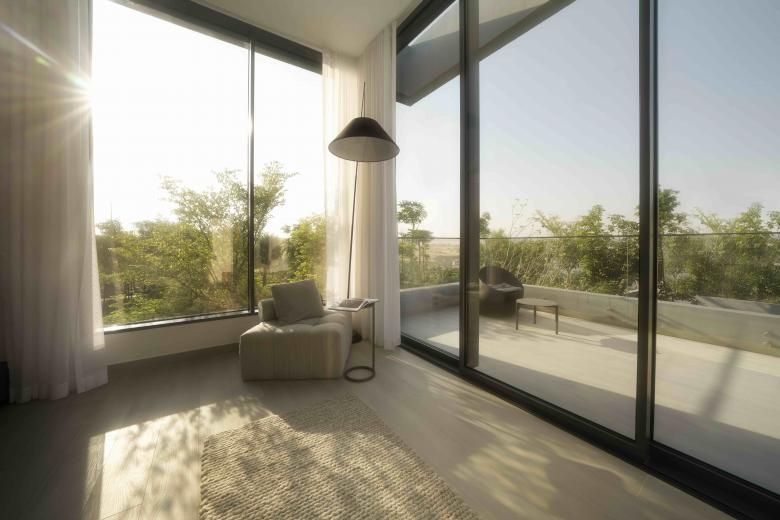
Form and material are guided by climate and repetition rather than formal expression. A limited architectural vocabulary is deployed across more than 30 residential typologies, ensuring coherence while allowing variation through proportion, orientation, and façade articulation. Earth-toned materials, thermally efficient envelopes, and shaded outdoor spaces mediate heat, light, and privacy, reinforcing a sense of calm domesticity.
A key architectural and technical driver of the project is standardisation through precision. BIM-led coordination enabled the integration of multiple unit types, infrastructure systems, and construction phases while maintaining consistency across a development of considerable scale. This approach allowed the architecture to remain legible and controlled, despite the project’s size and complexity.
Masaar proposes a model of residential living where architecture, landscape, and infrastructure operate as a single system. Rather than privileging individual objects, the project is defined by continuity, repetition, and the cumulative experience of moving through a forested environment shaped for everyday life.