House in Katsuse
Fujimino, Saitama, Japan
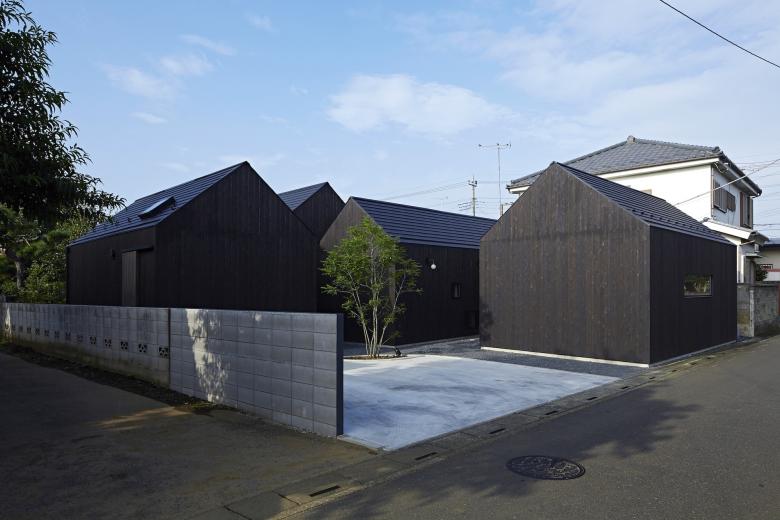
The site is located within an urban development control zone, where development has not yet taken hold and many farm fields remain. In the untouched gardens of the large, private homes scattered throughout the area, large trees—some decades old—grow wild in various places. In this community where ties based on kinship still endure, the landscape, which extends beyond the boundaries of individual lots, evokes a sense of nostalgia.
This project is a residential plan for a young couple moving to this area. The clients requested a home that includes a studio for the wife, a ceramic artist, to pursue her creative work. While the studio is inevitably smaller in volume than the living quarters, we did not want to create a building with a master-servant relationship where the studio is subordinate to the living space; instead, we aimed for a composition where the studio leads the overall design. This approach stems from our hope that, for the couple—who felt a fair amount of anxiety about establishing a new home in this community with strong local ties—the studio would serve as a point of connection with the neighborhood, acting as a reflection of the residents’ identity and helping them integrate into the community.
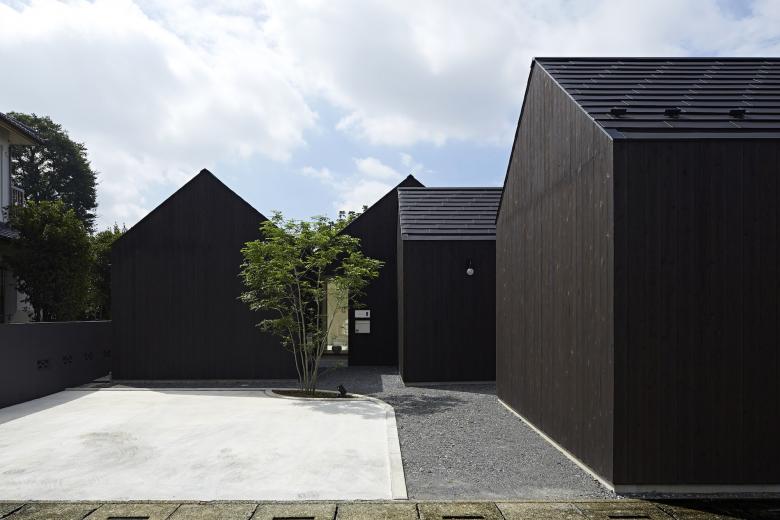
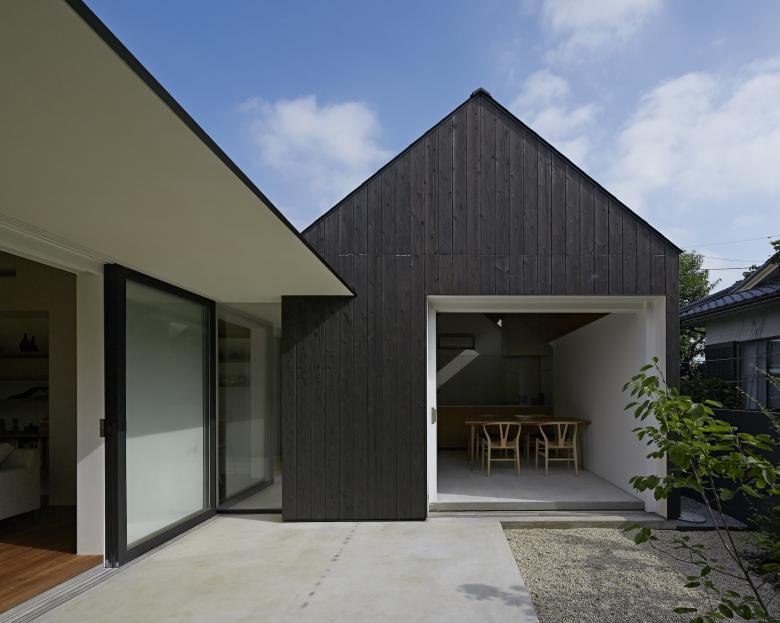
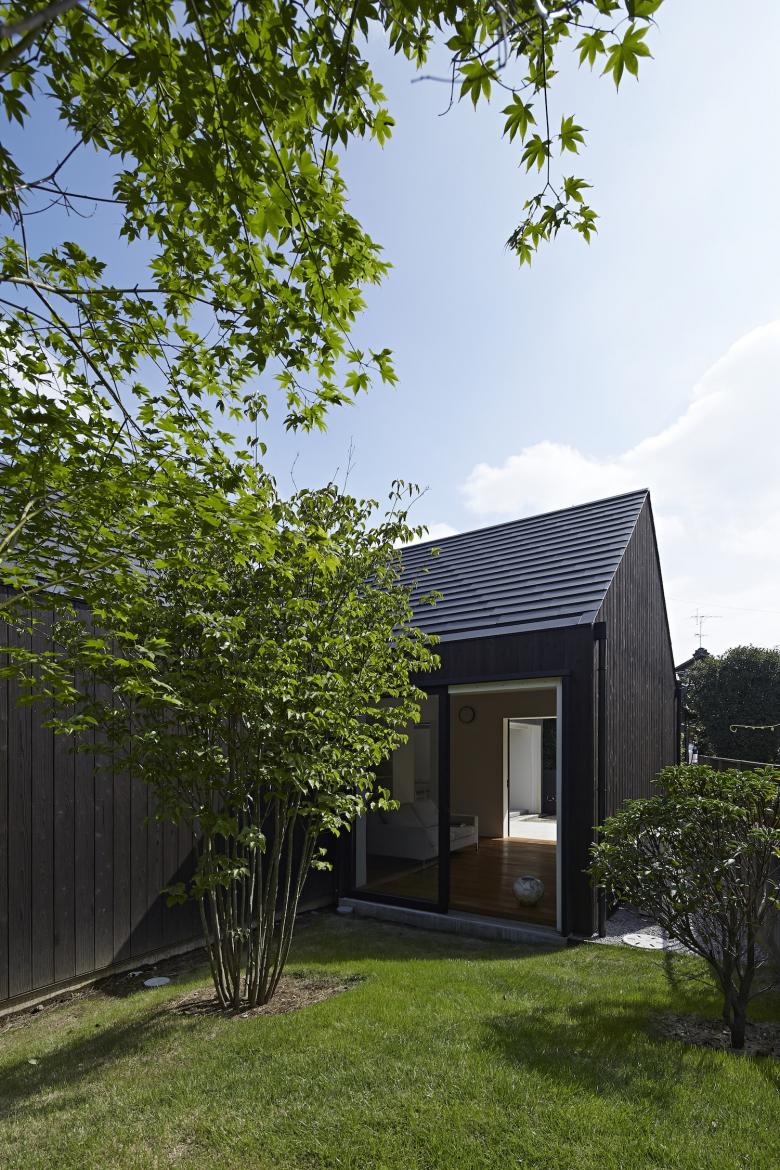
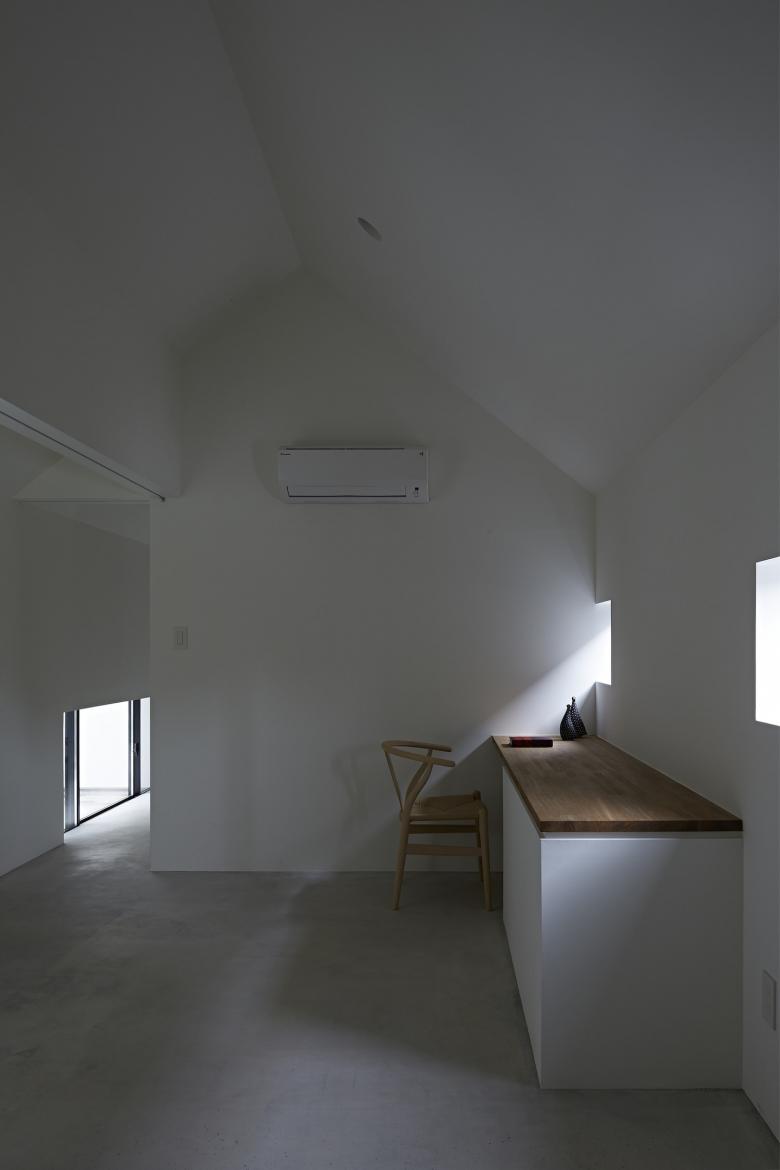
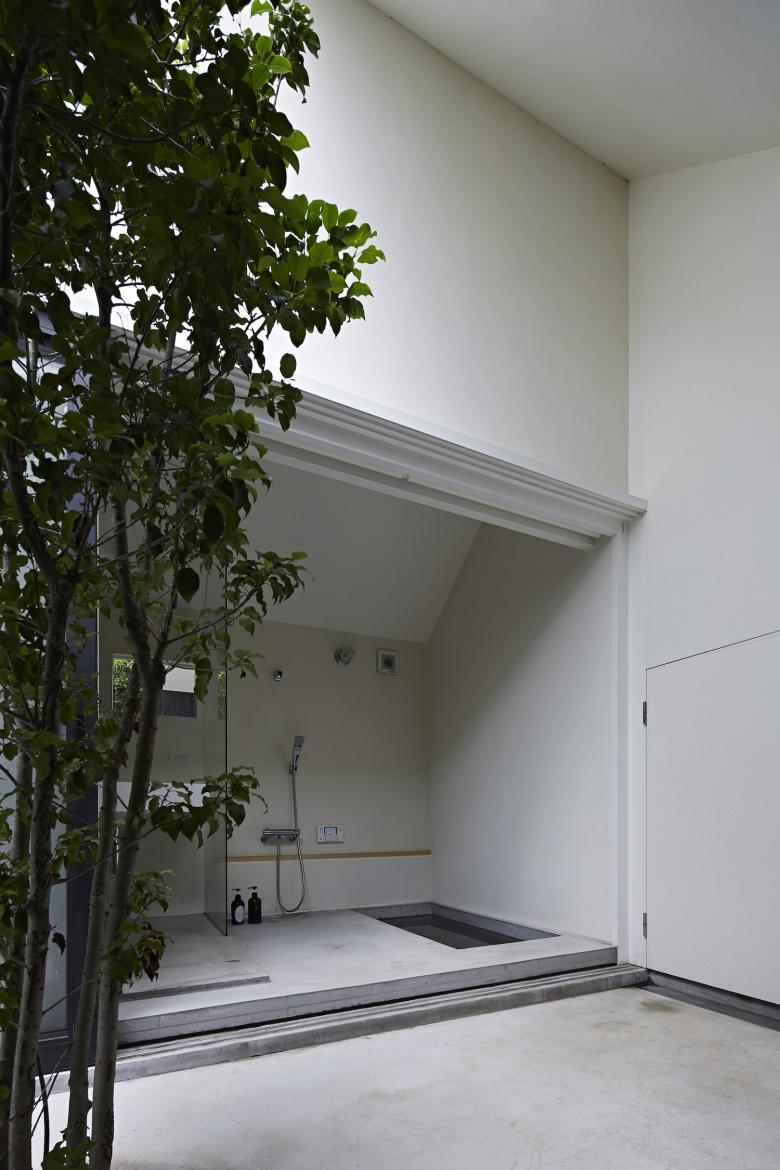
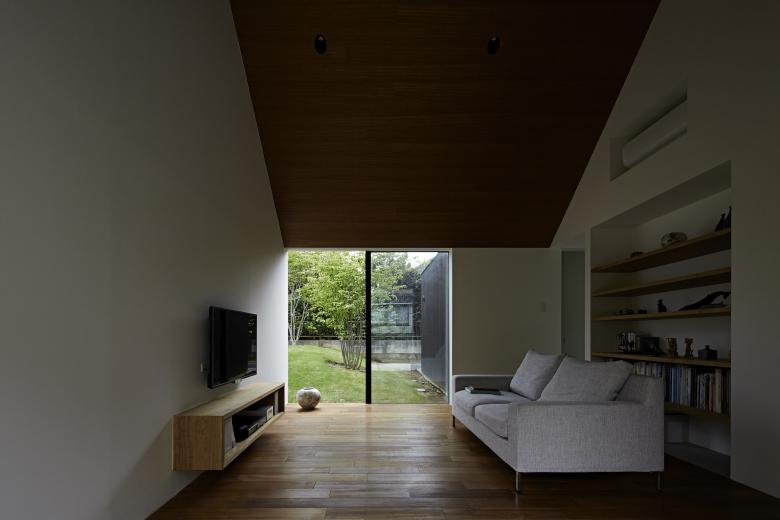
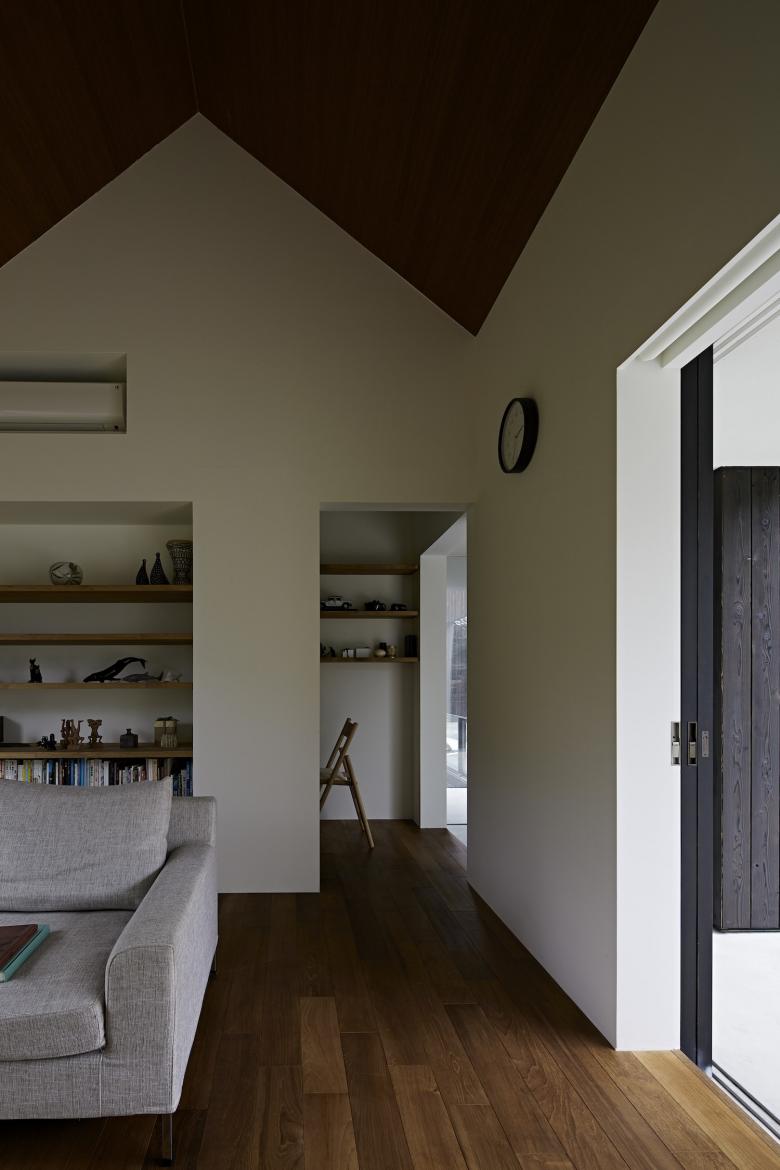
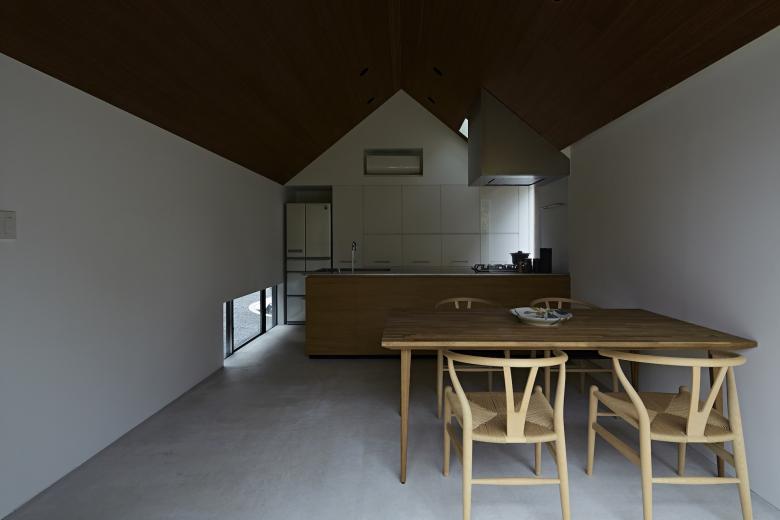
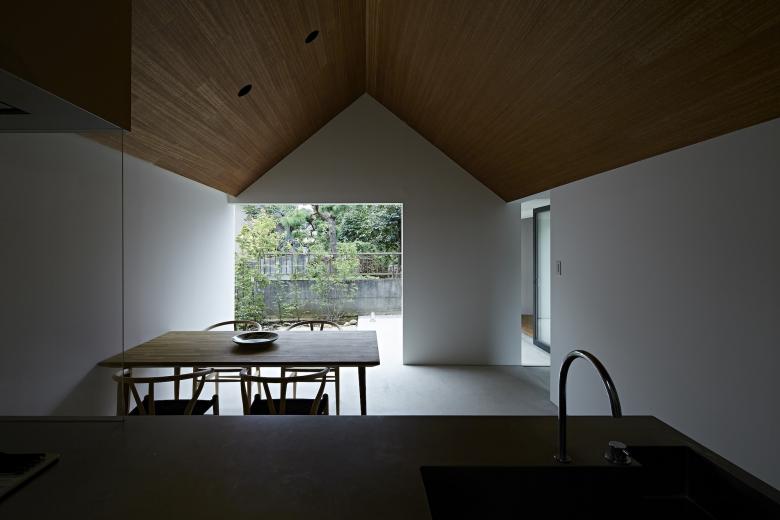
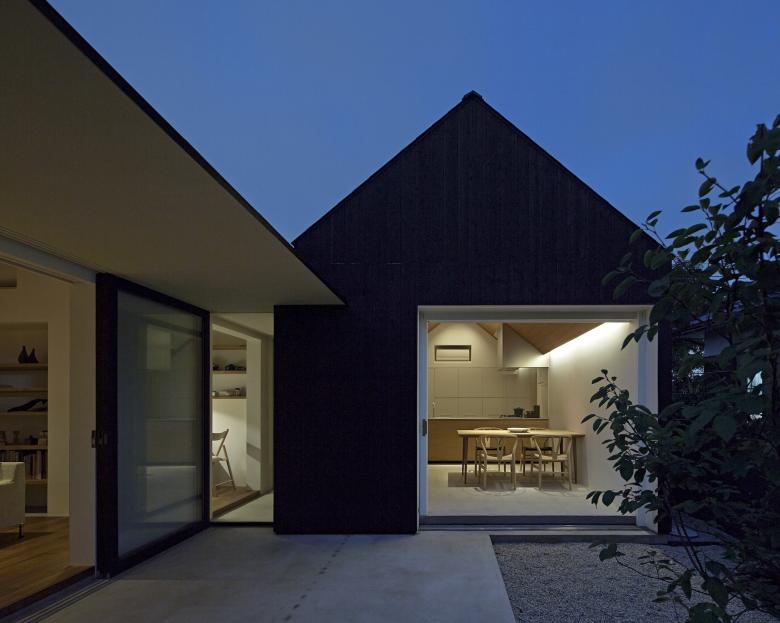
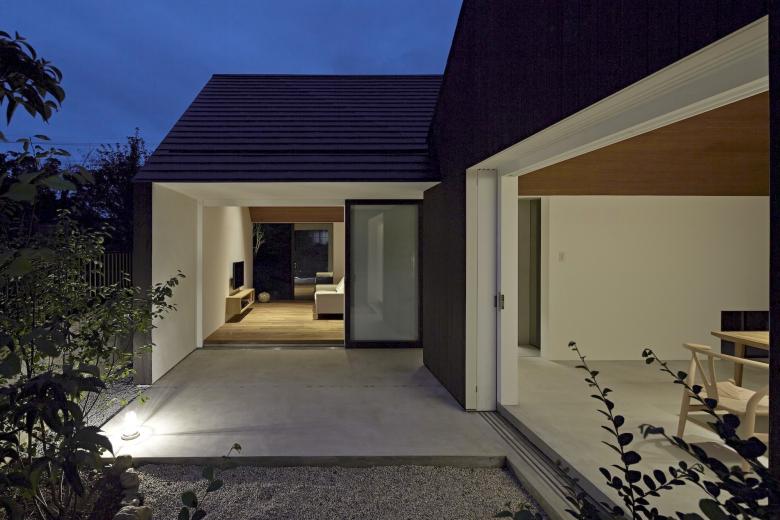
To treat the main house as a volume equal in importance to the studio, we divided it into distinct sections: the living area, dining area, utility area, and private rooms. By reevaluating the whole as an assembly of equal volumes, we eliminated the hierarchical relationship between the residential and studio spaces. Furthermore, by designing each volume as a gabled-roofed house form that reflects the local character, we gave them a strong sense of autonomy and enhanced the visual presence of the assembly as a whole.
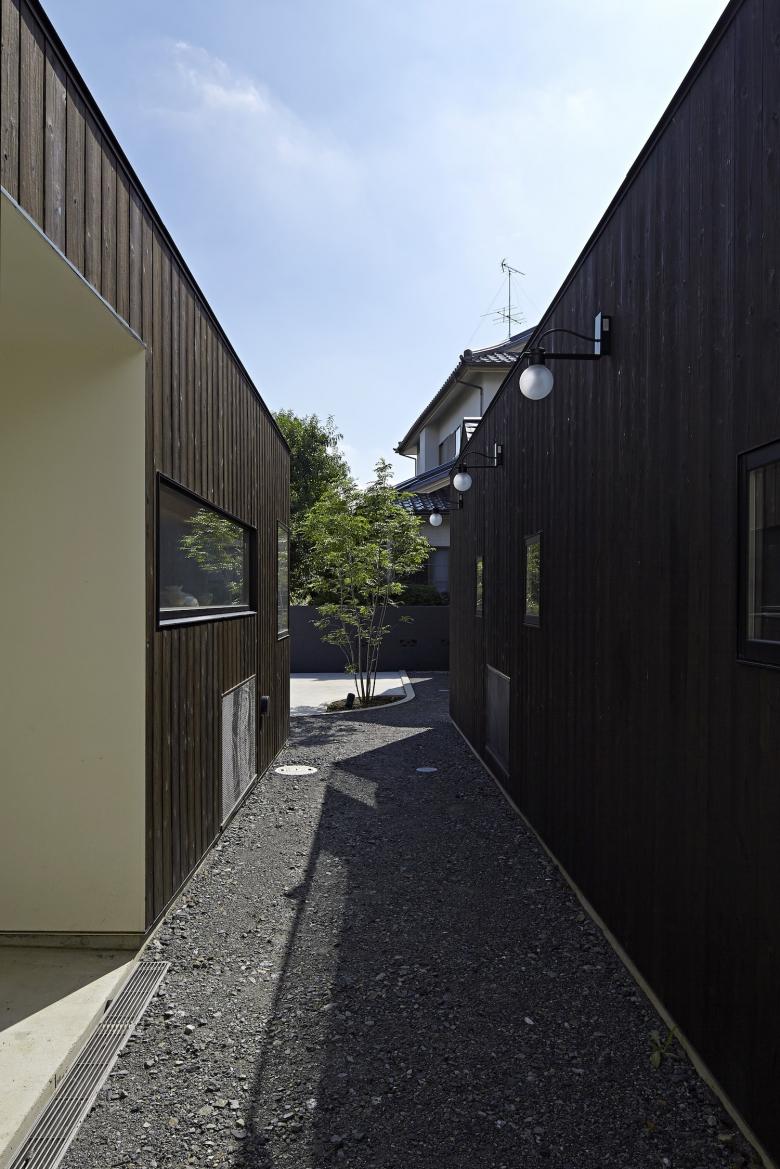
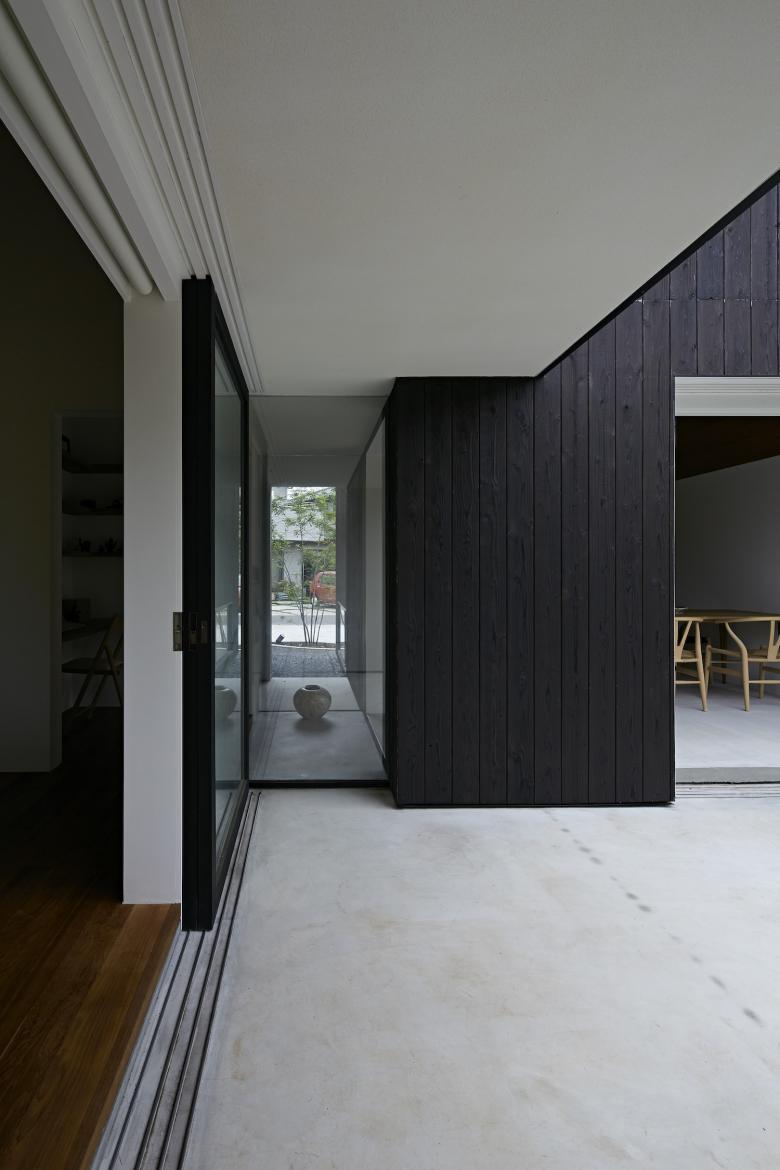
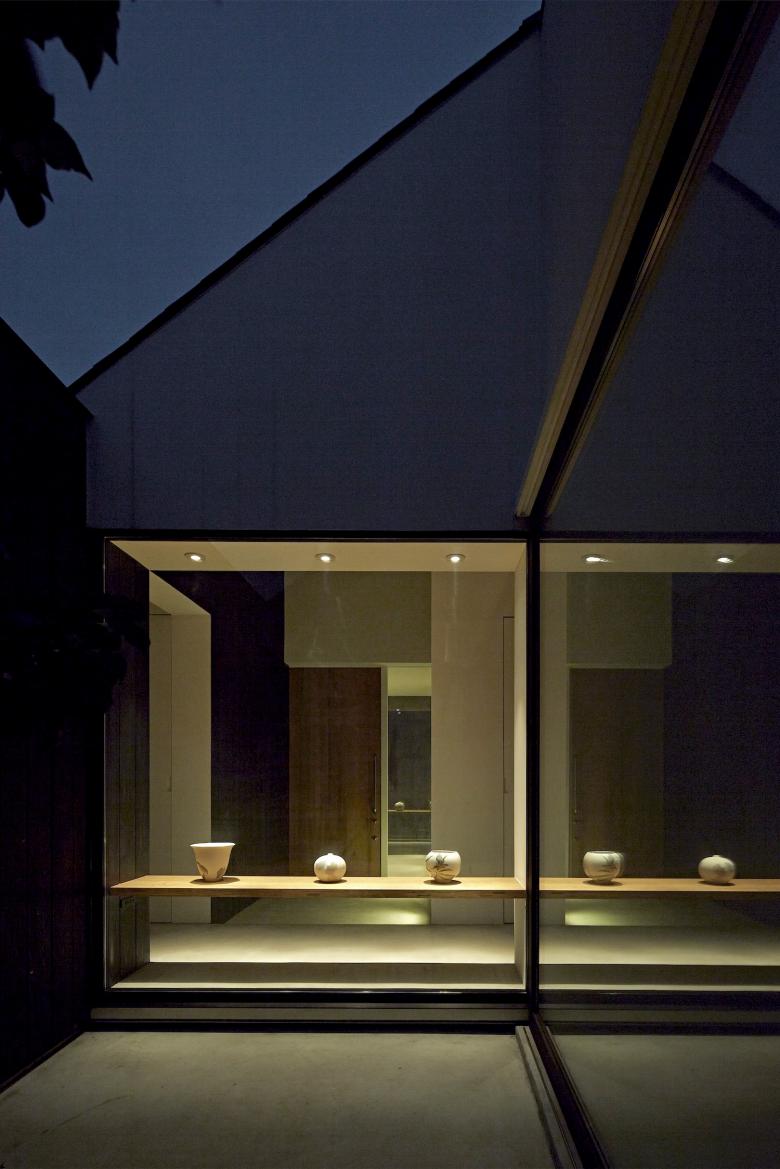
The studio is positioned facing the street, and a circulation route that winds around the studio—which is open to the neighborhood—is drawn into the site. Views through the workshop’s openings—which serve as points of contact—are limited to the extent that one can glimpse the display shelves, a design choice intended to enhance concentration during creative work. We hope that this connection with the local community will generate new possibilities for creative activities.
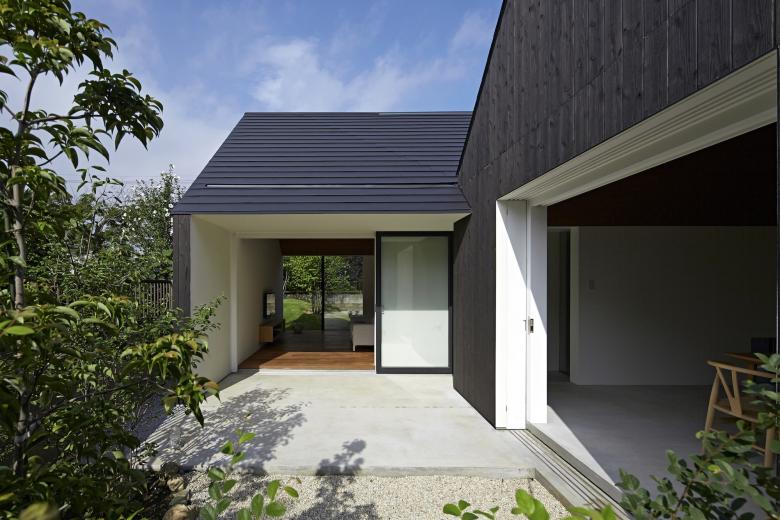
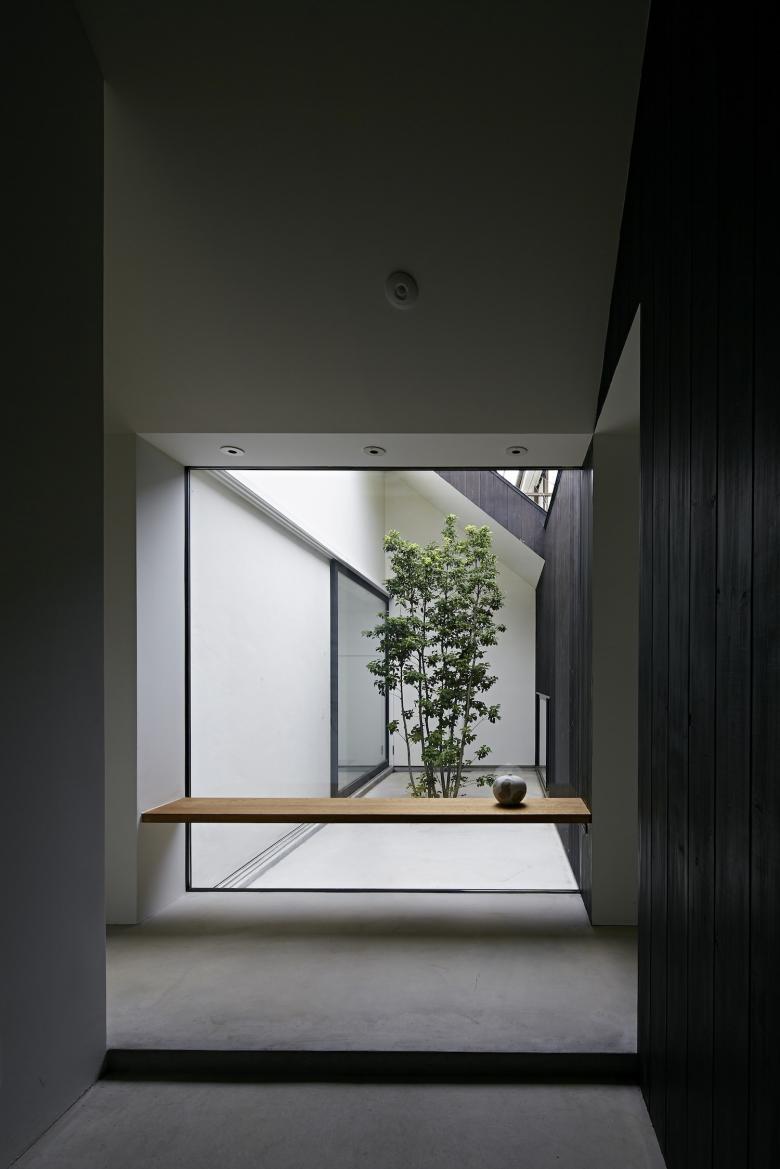
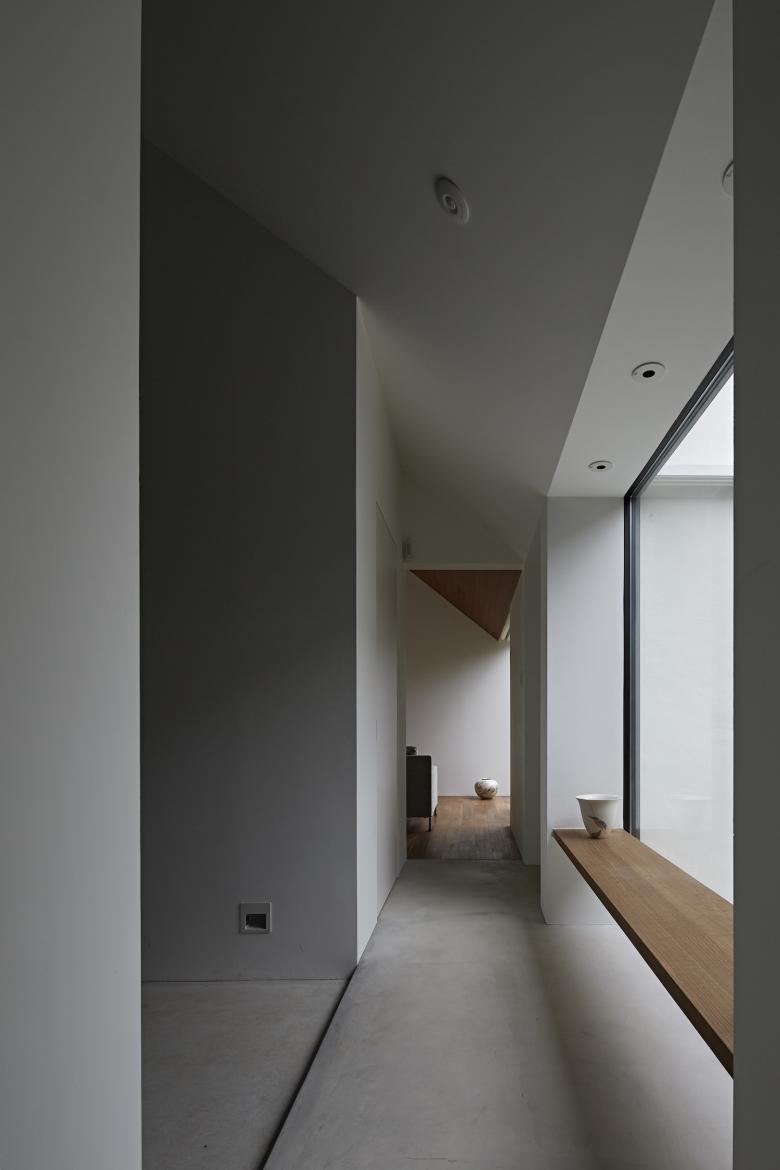
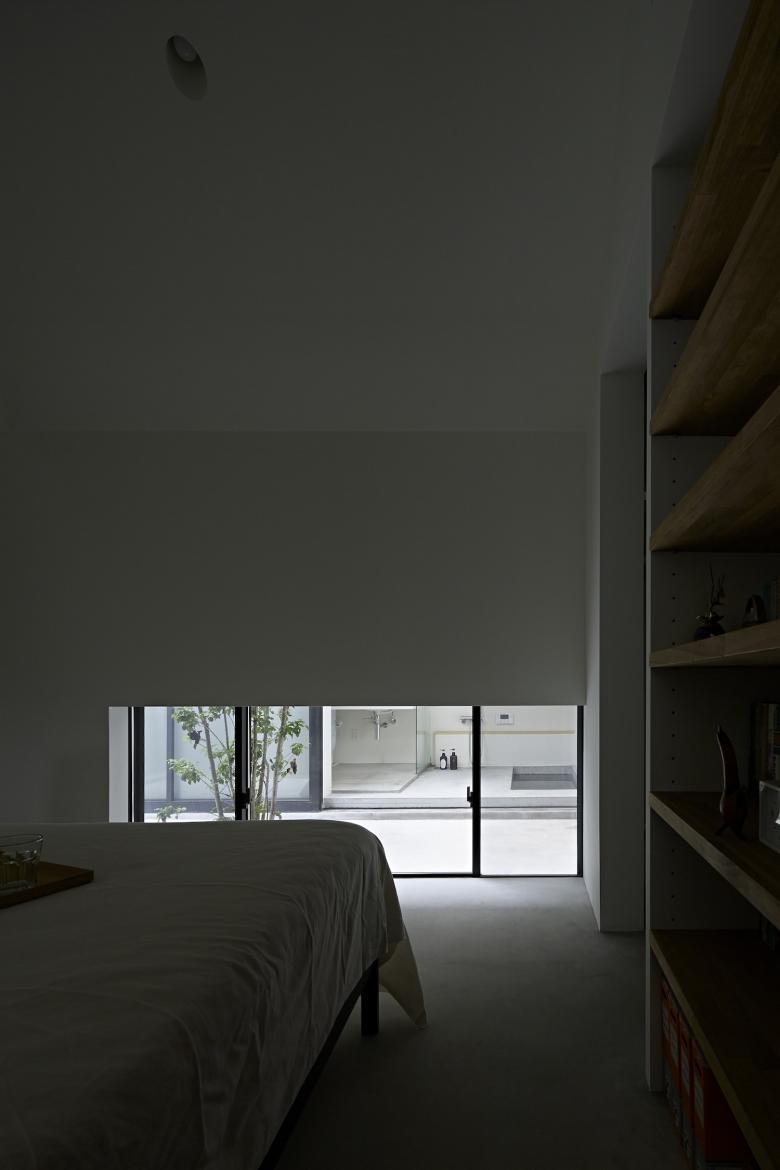
For the residential section, while enjoying the local greenery, we aimed to create spaces where the interior and exterior organically intertwine through the offset positioning and gaps in the house-like structures, all while maintaining privacy. The arrangement of separate buildings creates distinct scenes across the entire site, generating a rich spatial experience.