House in Higashimurayama
Higashimuurayama,Tokyo, Japan
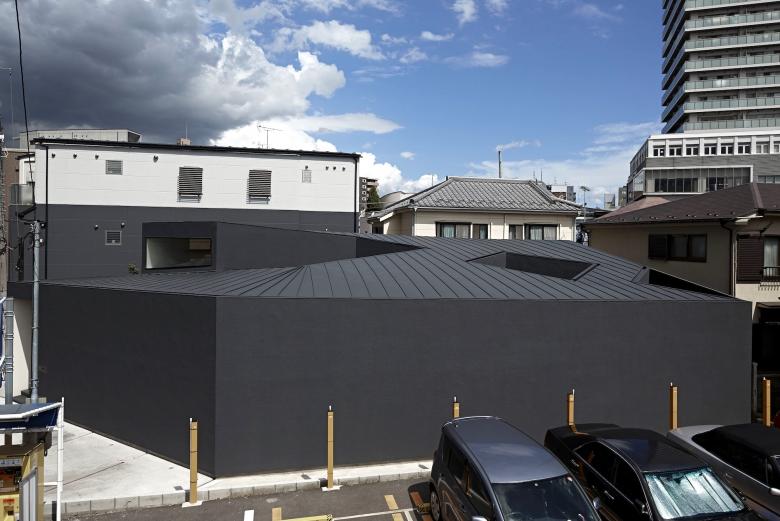
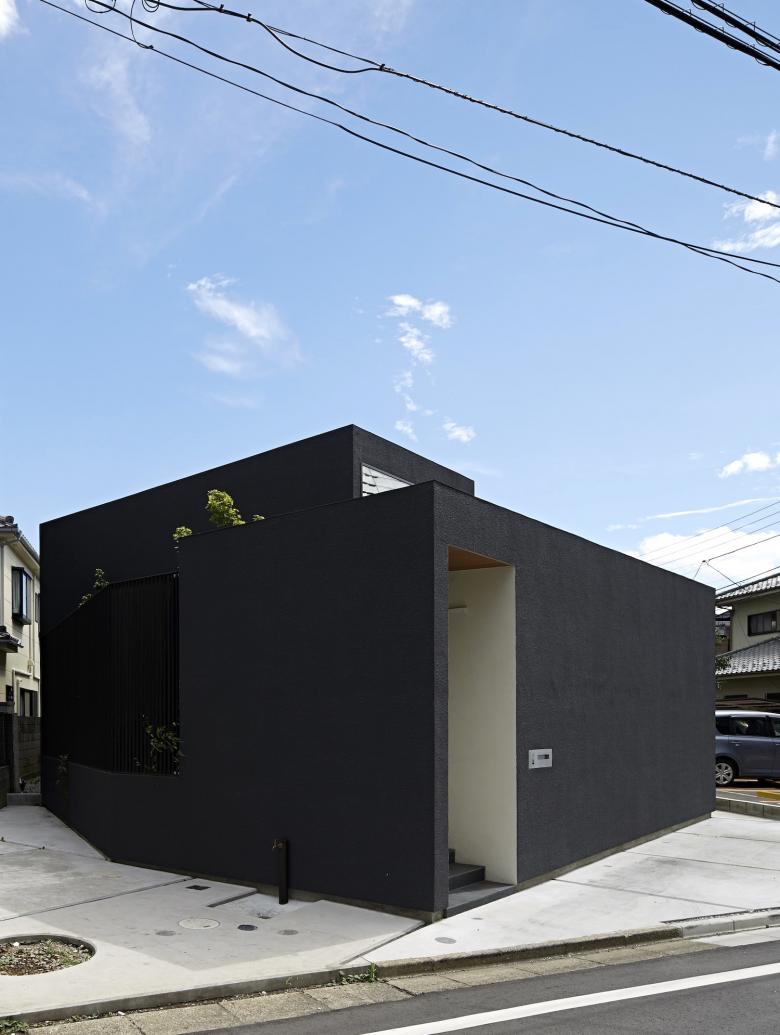
The site is located in a suburban bedroom community on the outskirts of Tokyo, within an older residential neighborhood lined with single-family homes and apartment buildings. This project involves building a home on an 80-tsubo lot for a couple in their 50s and their beloved dog.
The couple’s requests were extremely clear. Since they live alone, they felt no need for privacy within the house itself; rather, they wanted to ensure solid privacy from the outside world so they could enjoy a free lifestyle inside. They had no functional requests to make daily life more convenient; on the contrary, they sought only the most basic functions. This is a project designed purely to achieve spatial freedom. I felt that the appropriate space would be one where the meaning of the place changes based on the residents’ free choices, rather than one where the functions assigned to the space dictate people’s behavior.
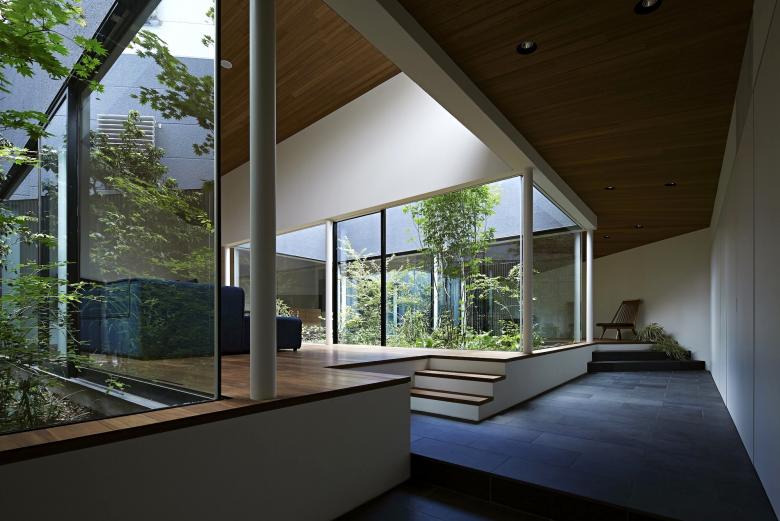
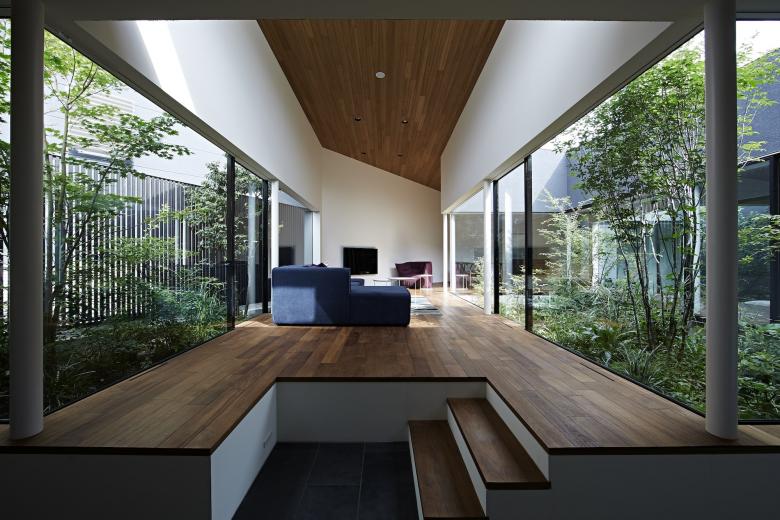
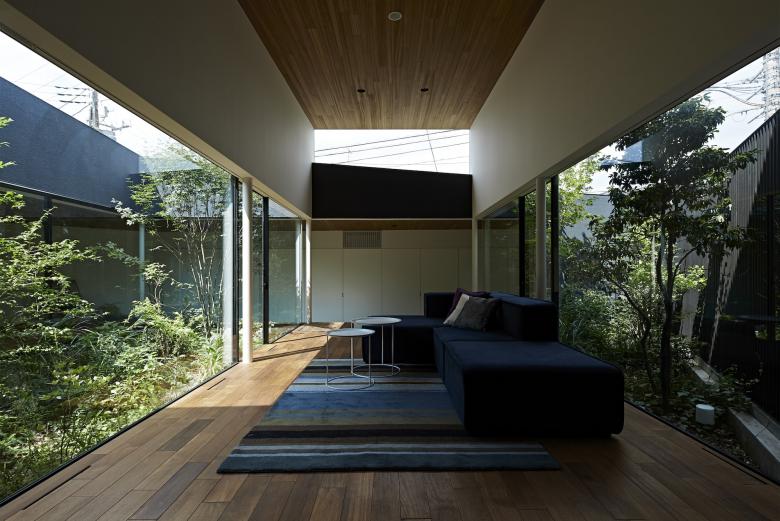
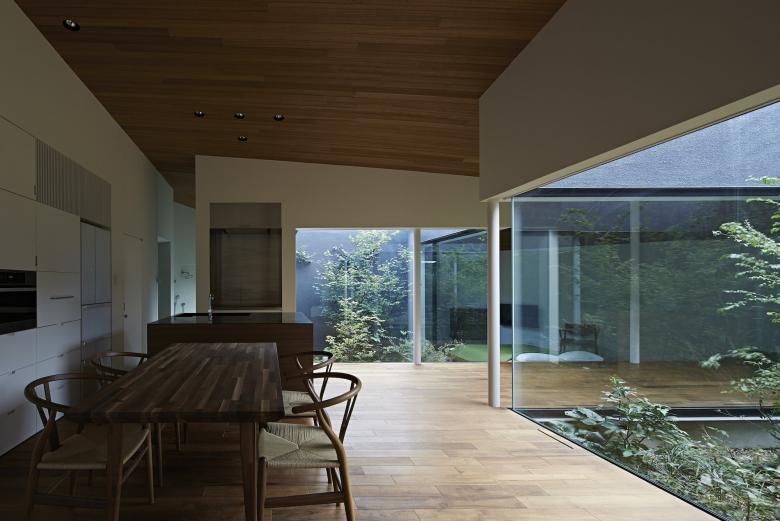
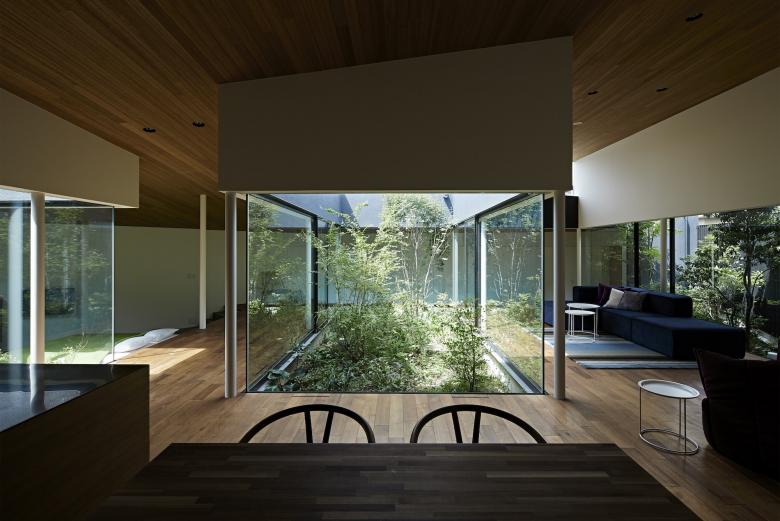
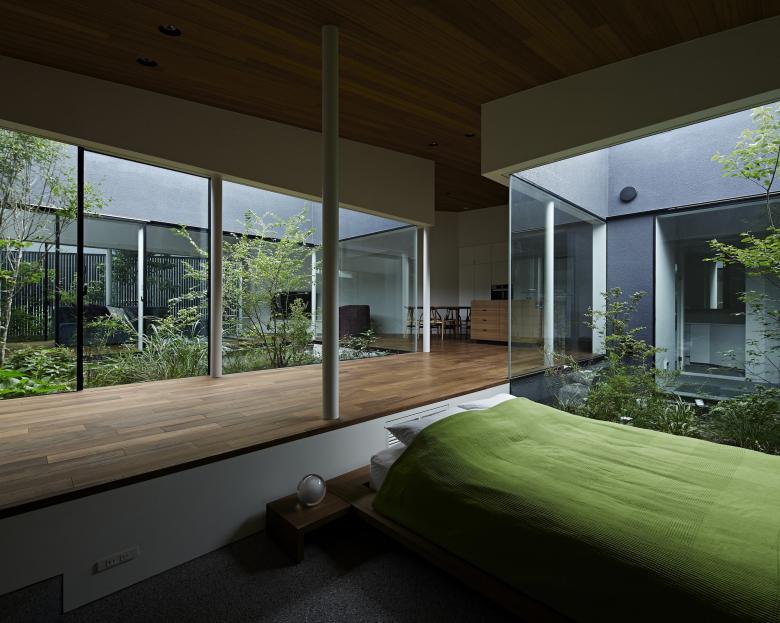
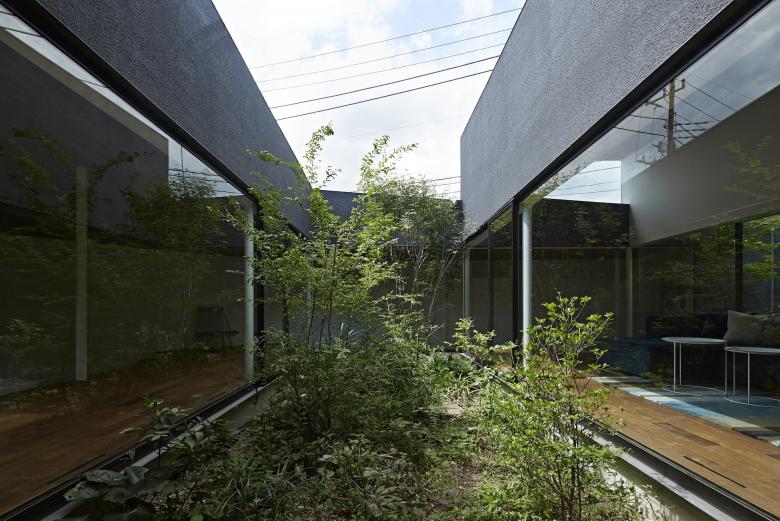
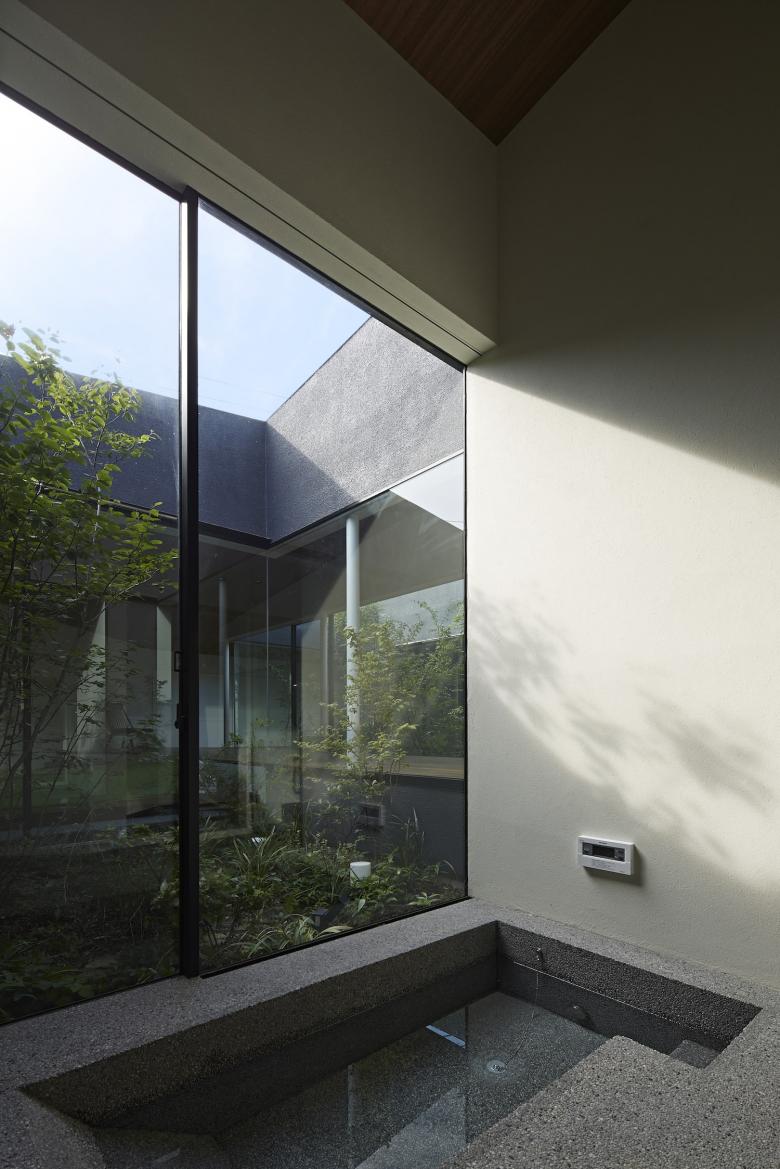
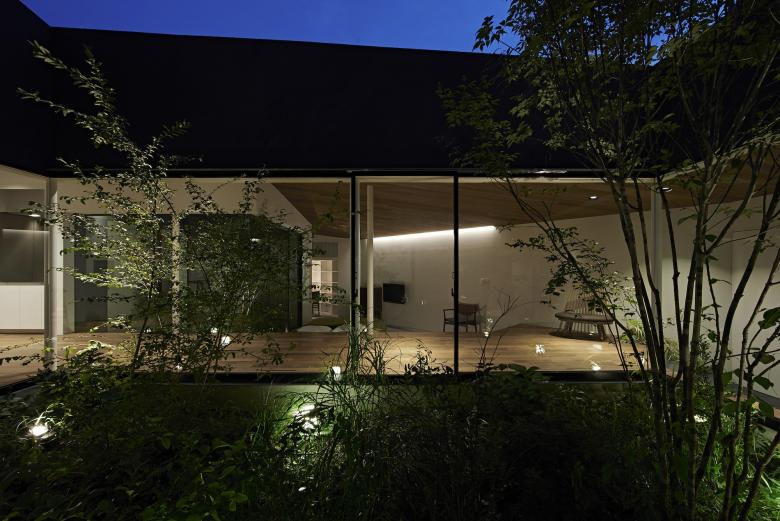
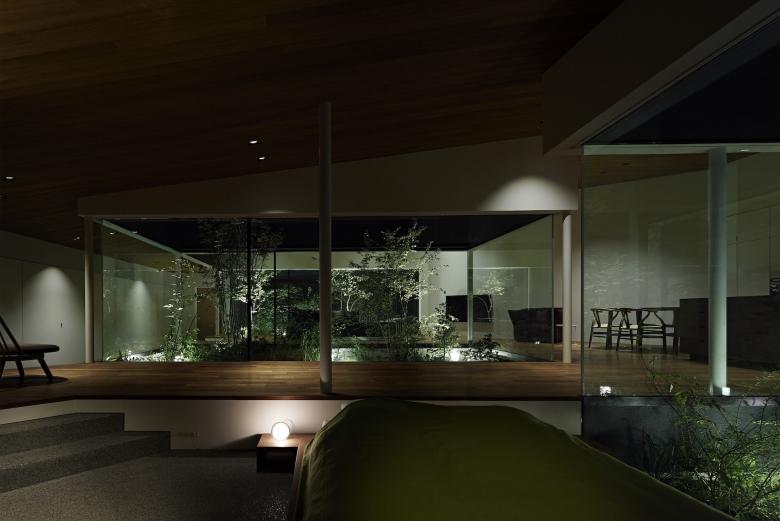
I came to think of a free space as one that accommodates aimless behavior and enables free choice—much like a street. On a street, you might see people eating, others sitting on a curb reading a book, and still others resting in the shade of a tree. Children and dogs might be running around and playing. People choose a spot according to the moment and give it meaning. I wondered if this freedom could be realized within a living space. Thus, I intended to create a space of such diversity, one that, like a street, possesses continuous variation and is imbued with spatial elements that elicit various behaviors. The basic composition consists of two mixed-wood courtyards whose expressions shift with the seasons and time, surrounded by a figure-eight circulation path. I imparted diverse qualities through combinations of spatial elements such as variations in floor finishes, floor level changes, variations in ceiling height, and contrasts between light and shadow. Even the kitchen and bathroom—spaces that tend to strongly dictate function and layout—were discreetly placed within the continuous flow of the space. This blurs the relationship between function and space, creating a situation where the nature of the space itself becomes the primary reason for choosing a particular spot.
Perhaps it is only when the client encounters new situations every day and diverse interactions with the space emerge that we can say a truly free space has been achieved.