LT Josai
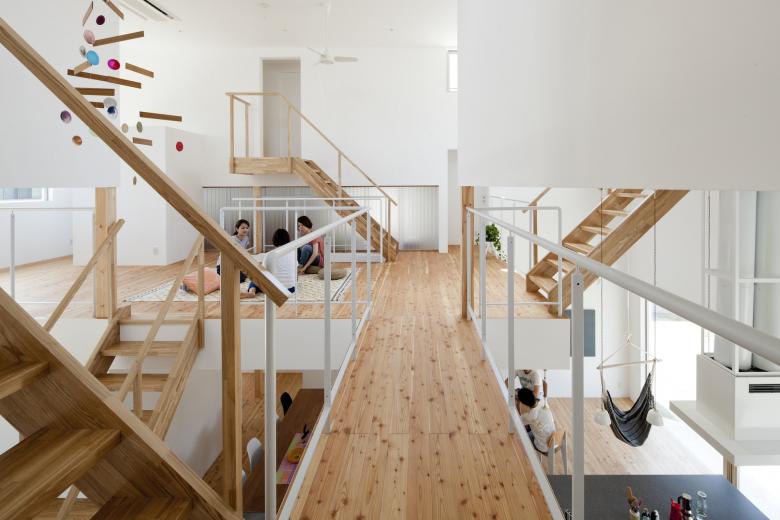
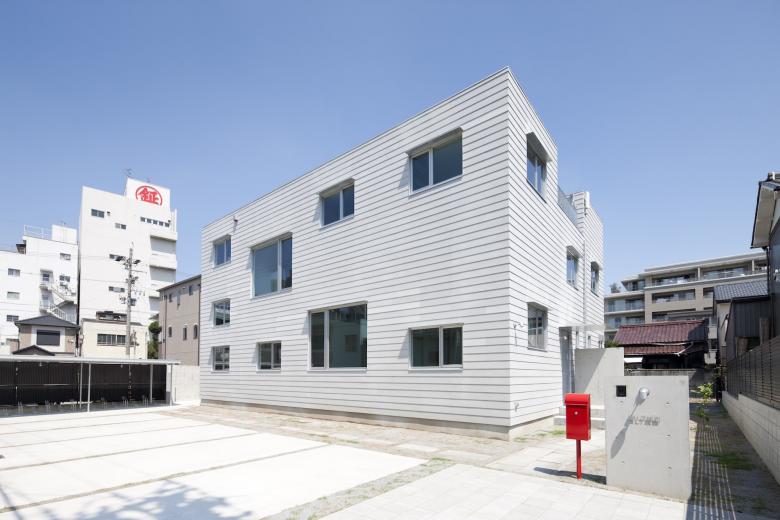
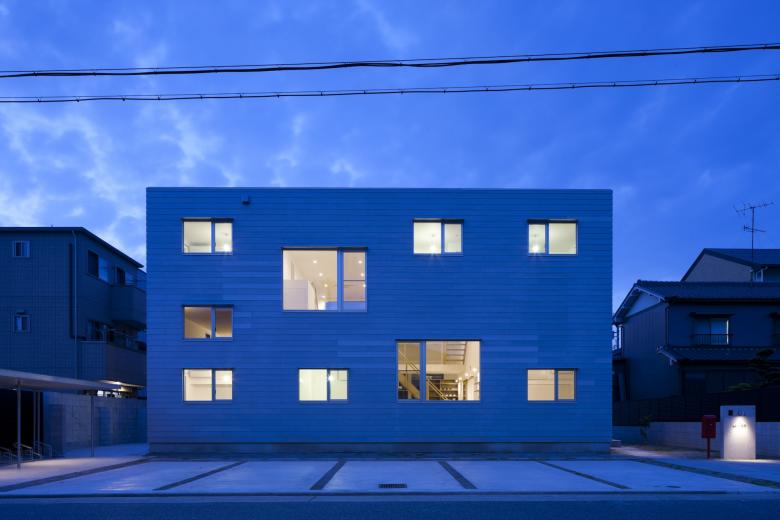
This project is a rare example of a newly built share house. In Japan, share houses—where residents live together while sharing kitchens, bathrooms, and living spaces like one large home—have been increasing rapidly in recent years.
The difference, however, lies in the fact that the residents are not family but unrelated individuals. This requires both operational and spatial strategies that allow strangers to comfortably share spaces over time.
For this project, we embraced the opportunity of new construction to reconsider the building’s overall configuration in order to generate spaces specifically suited to a share house.
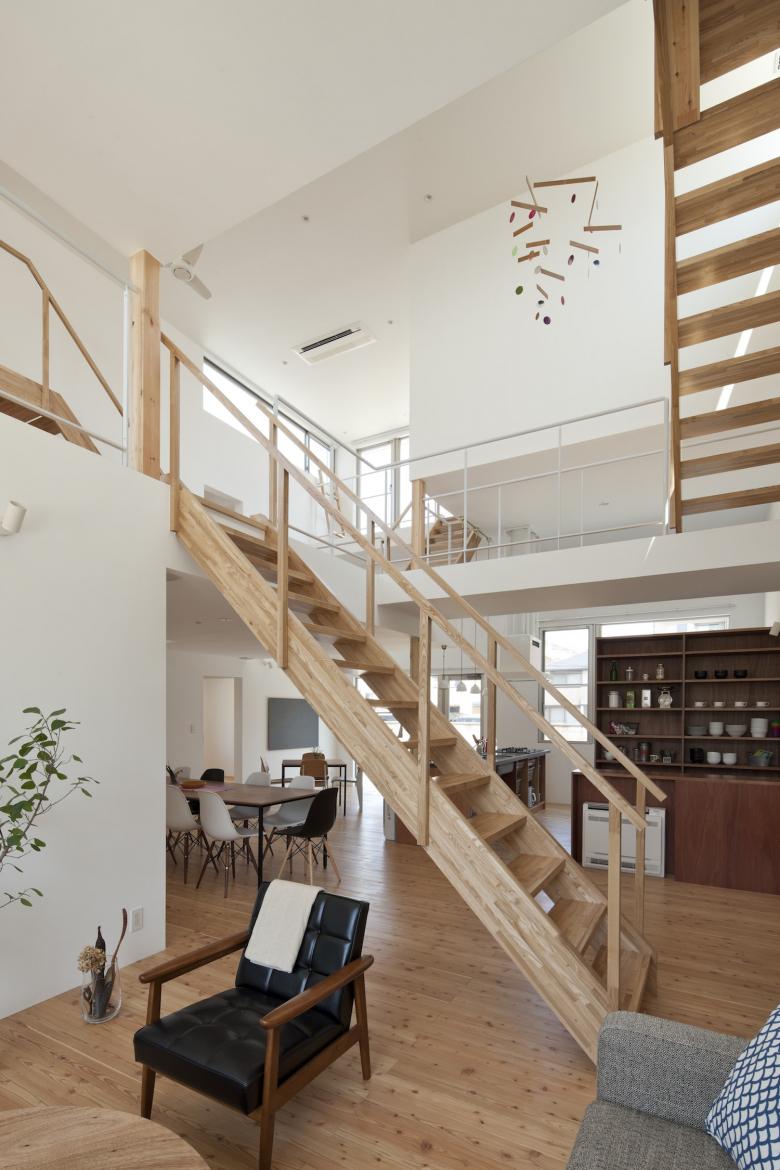
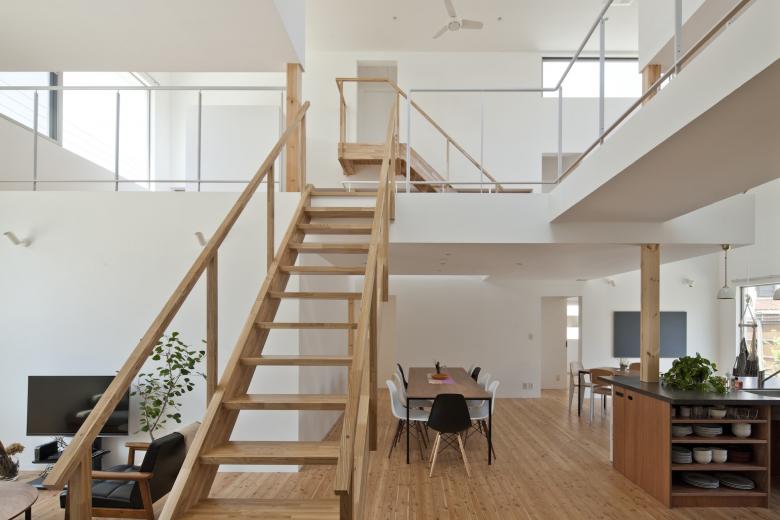
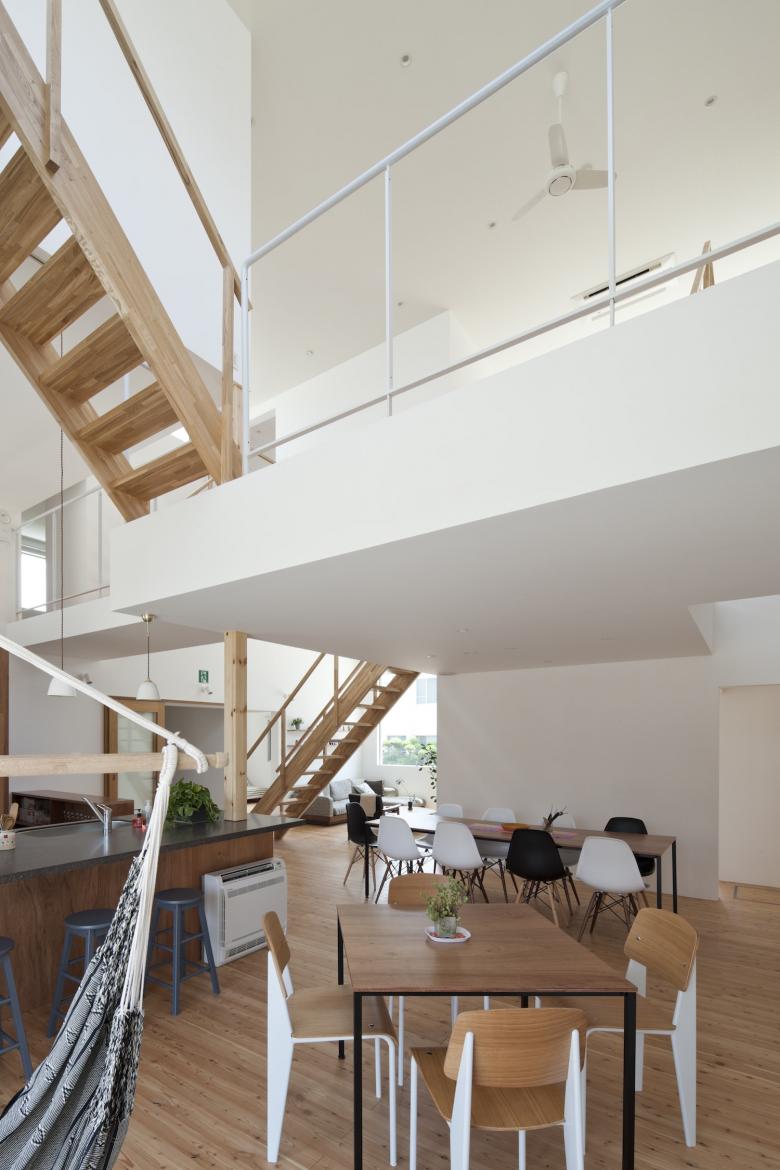
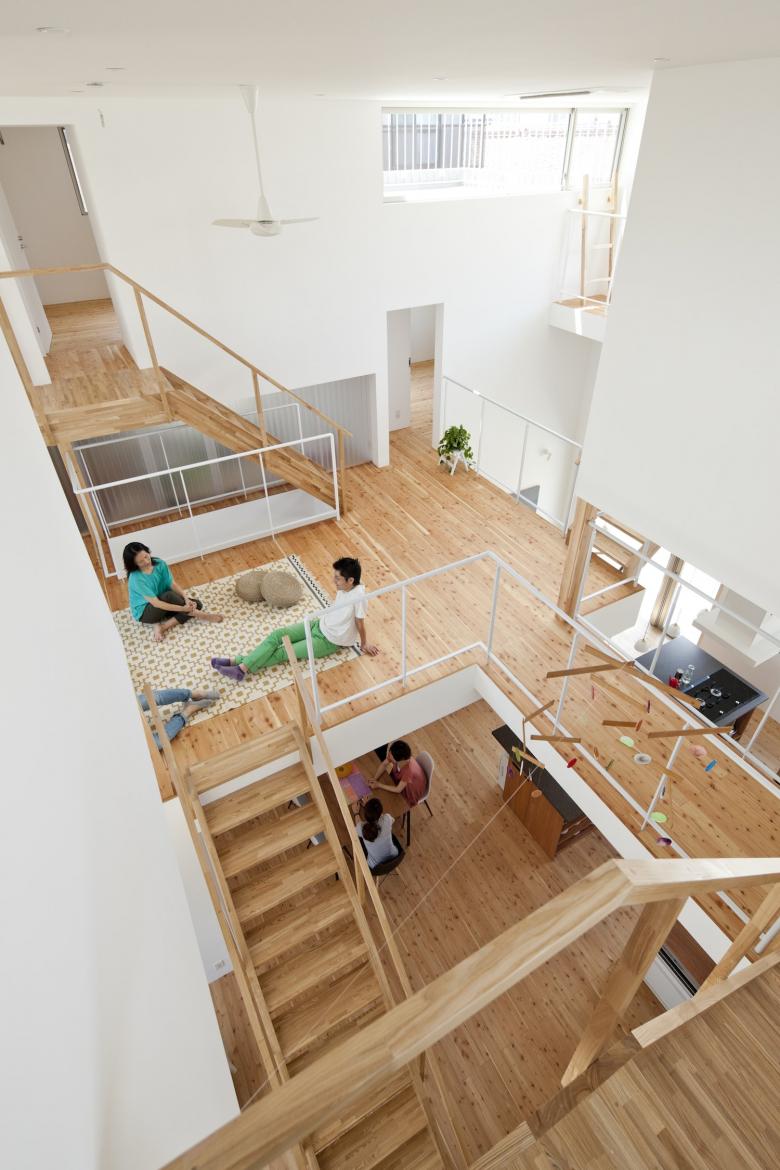
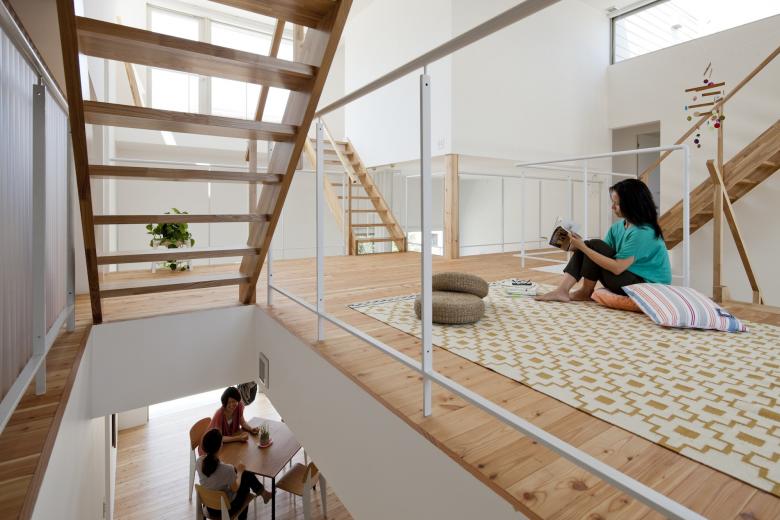
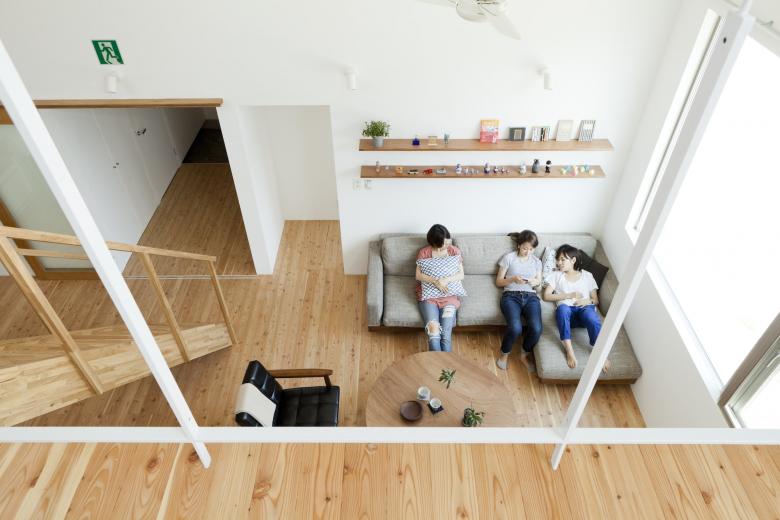
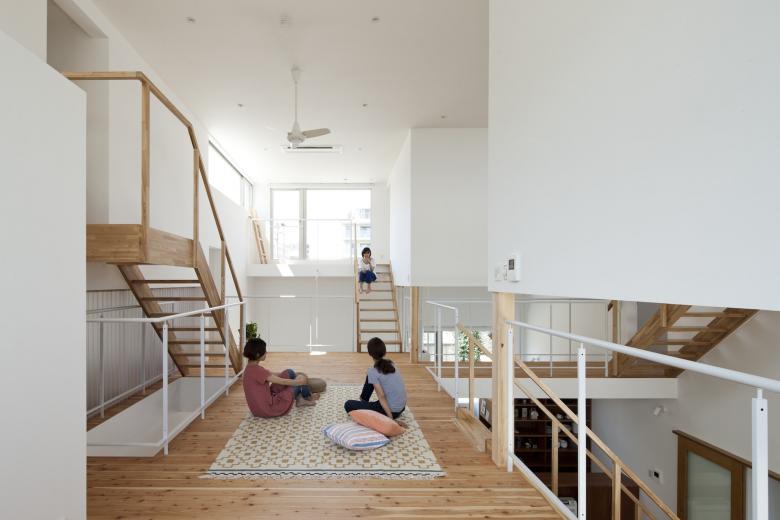
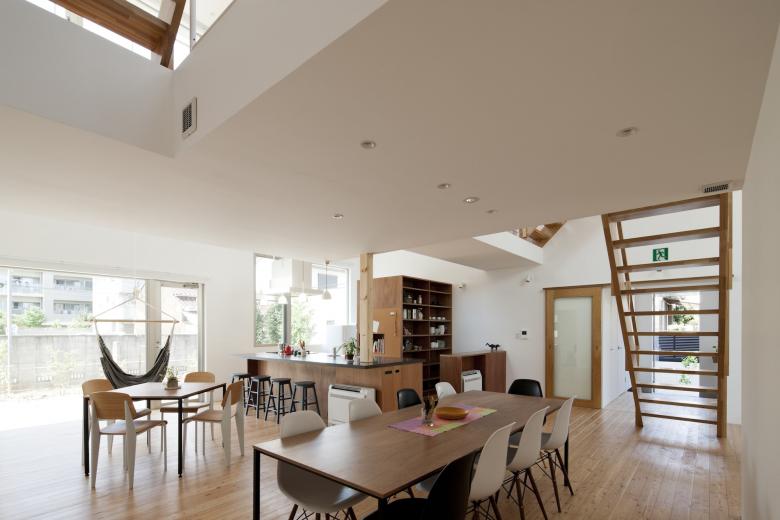
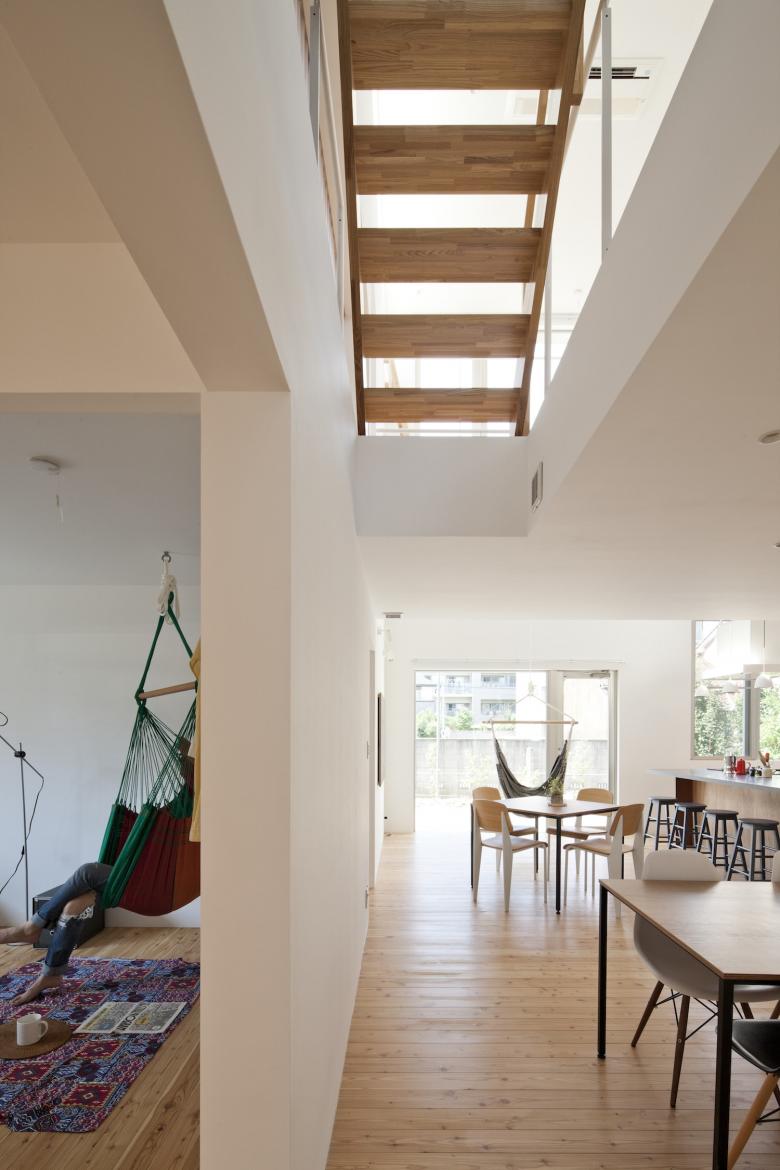
By simultaneously designing the layout of private rooms and common areas, and arranging the rooms in a three-dimensional composition, we created multiple types of shared spaces with distinct atmospheres. The double-height entrance hall and the area around the dining table are suitable for larger gatherings, while the living room in the corner of the common zone or a window-side nook offers places where individuals can spend time alone. The kitchen counter is more conducive to casual, small-group communication, and the second-floor lounge space provides the most relaxed environment of all.
Through this spatial organization, residents are encouraged to use the common areas more freely, as extensions of their private rooms.
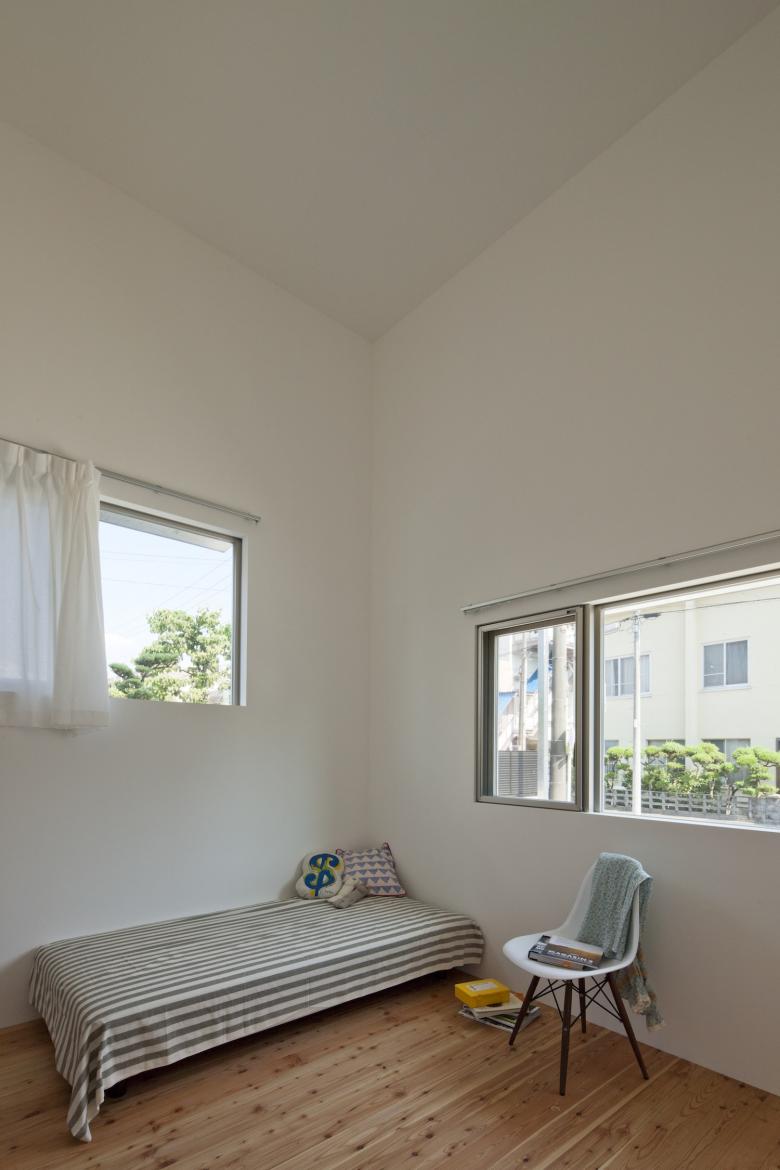
Although the private rooms may appear identical in plan, their character changes depending on factors such as distance and route from the living area or the height of the ceiling, ensuring that no two are exactly alike.
Despite offering such a variety of generous common spaces and private rooms of eight tatami mats each, the building achieves a high level of efficiency: when the total floor area is divided by the number of residents, it comes to only about 23 square meters per person. In contrast, the countless one-room apartments found in Japan seem more limited, making this share house both a rich and highly efficient form of dwelling.

- Year
- 2013
- Project Status
- Built