World Building of the Week
Lady Raval Social Housing
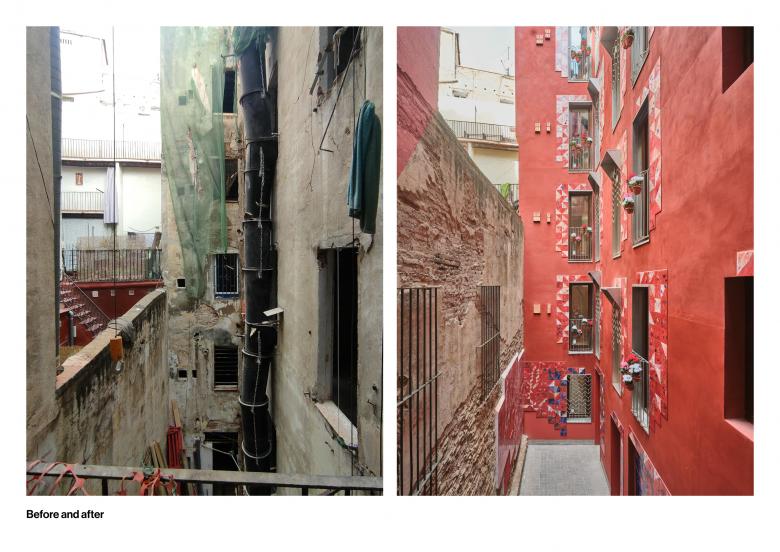
In the Raval neighborhood, one of the most densely populated and culturally diverse areas of Barcelona's old town, MIAS Architects has carried out the comprehensive renovation of an existing residential building facing Calle Hospital. The project, promoted as social housing, aims to pay tribute to the memory and cultural roots of the neighborhood's inhabitants.
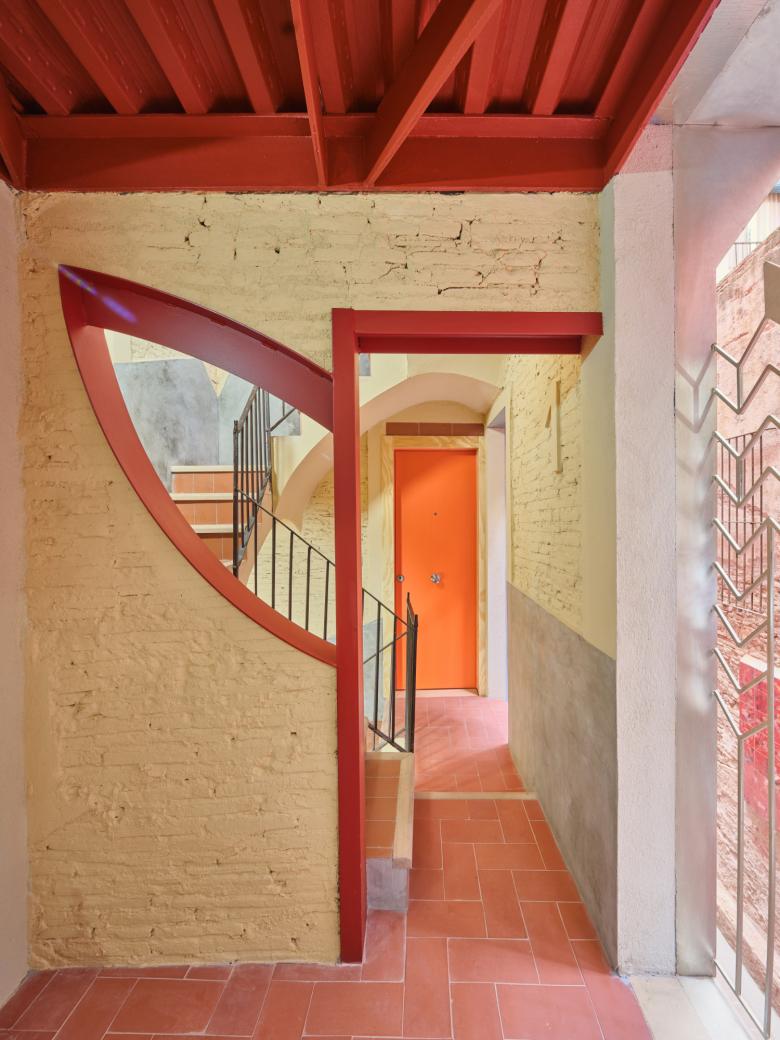
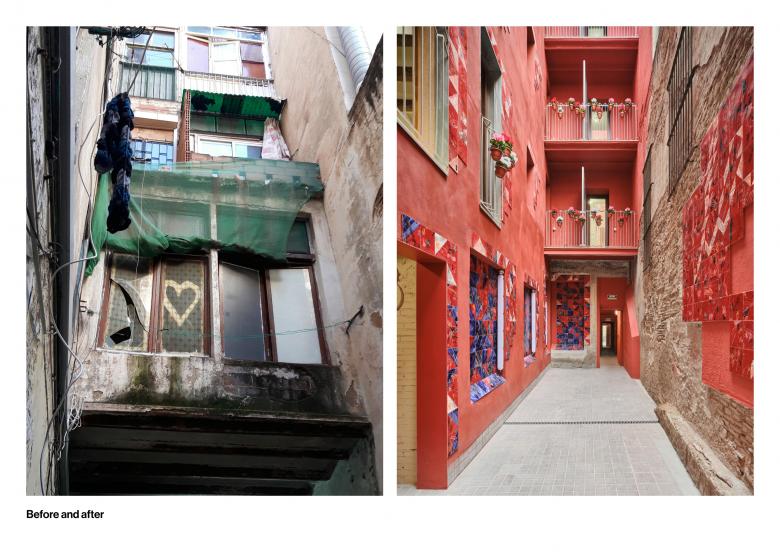
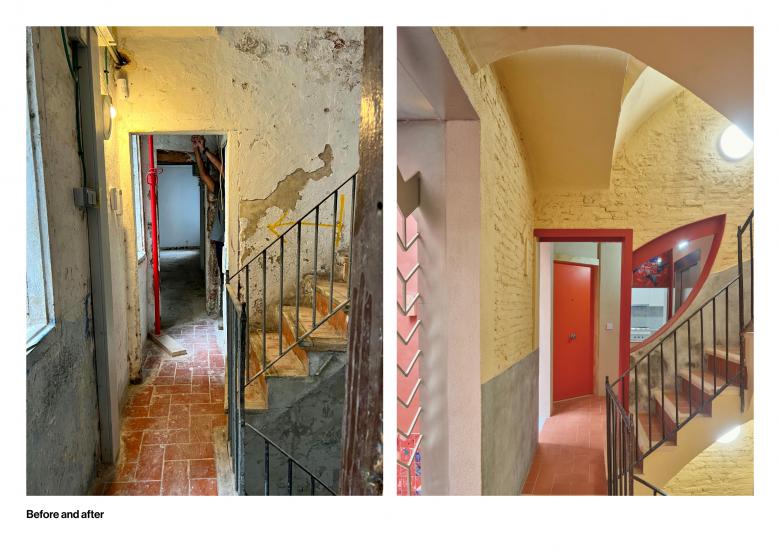
The original building, affected by a history of informal occupation and successive unregulated modifications, was a dilapidated complex with extremely subdivided apartments and structural additions on the roof. The intervention involved restoring the building's original volume, configured in two sections: one aligned with the street and the other L-shaped, enclosing an interior courtyard. The project removed the additions and reorganized the units into two dwellings per floor in the main volume and three per floor in the side section. The two stairwells were retained and elevators were added to ensure accessibility.
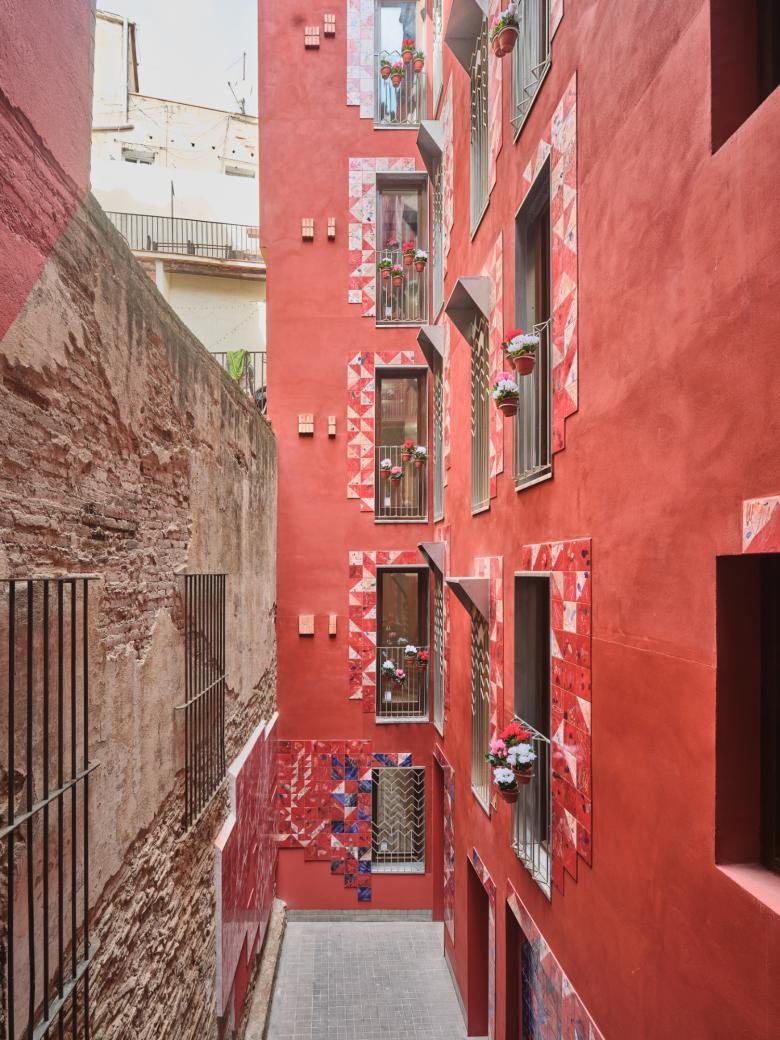
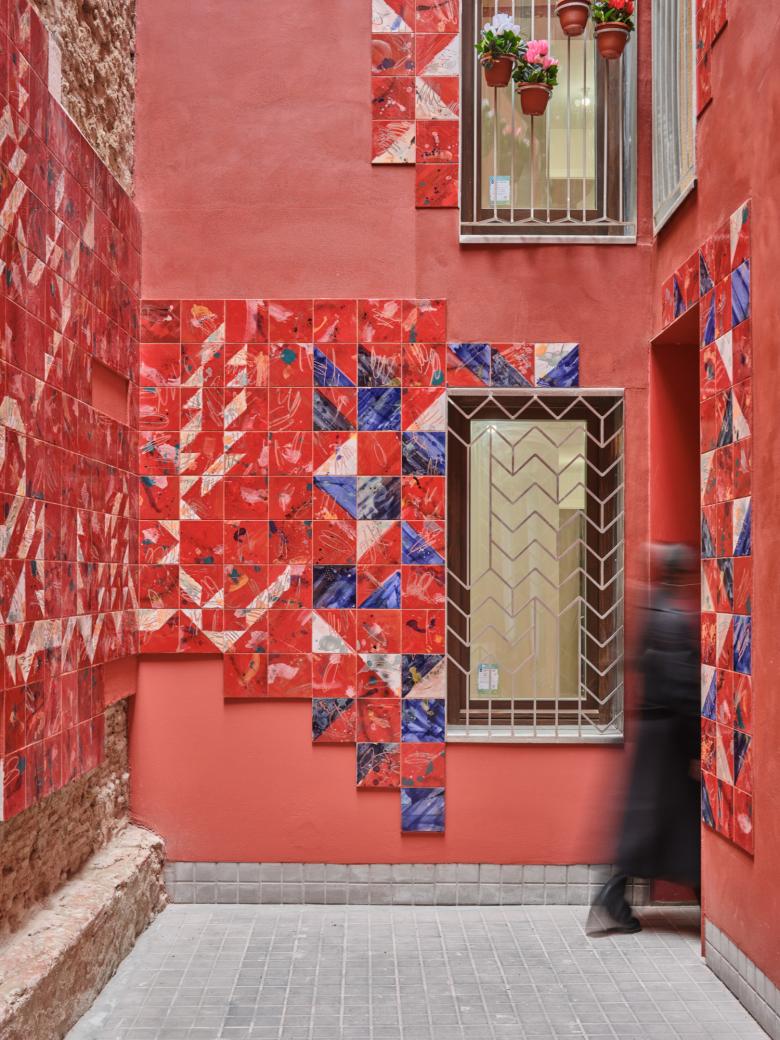
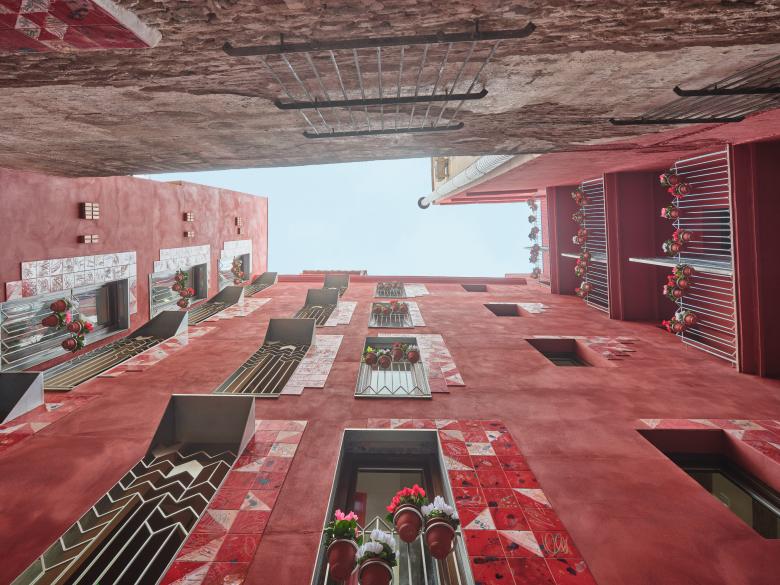
The central courtyard is the main focus of the renovation, serving as a shared outdoor space that all the homes face. Symbolically, it represents a shared area that brings the building's residents together.
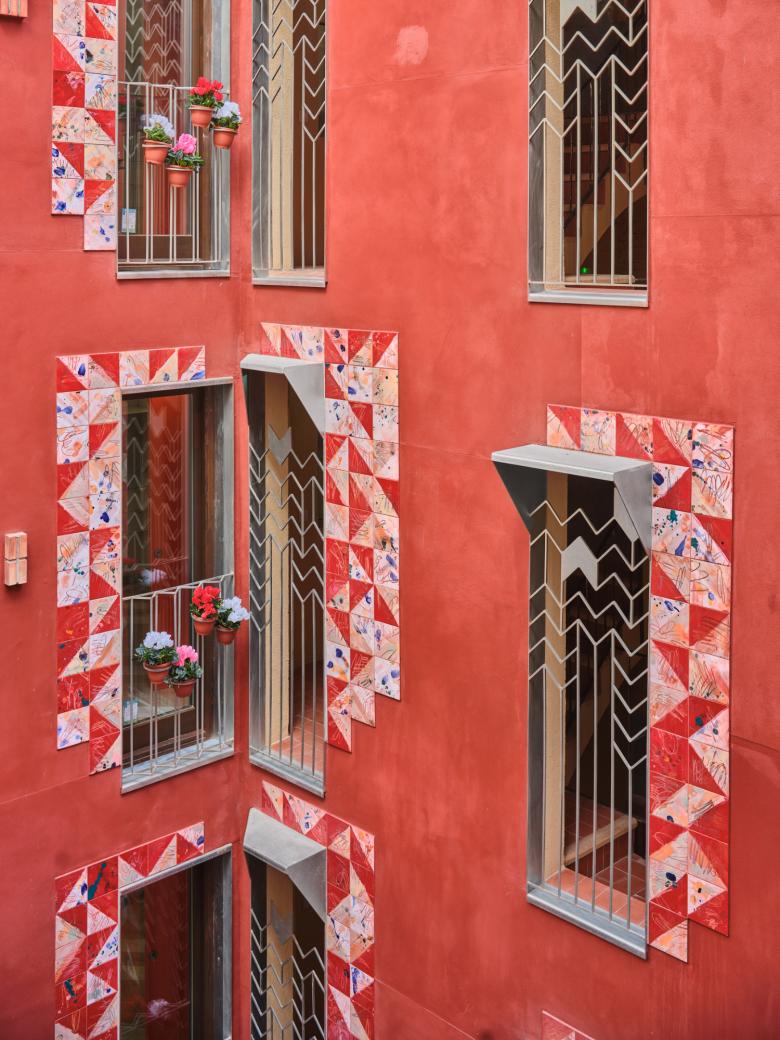
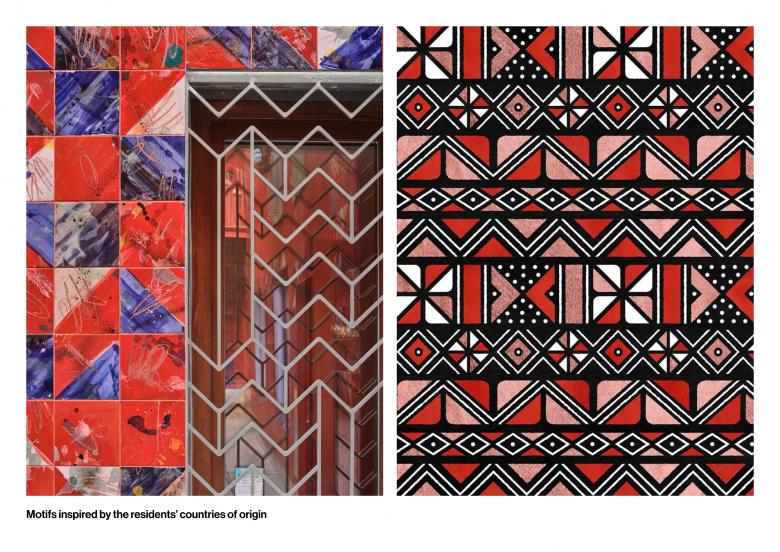
In the design, the courtyard acts as a backdrop reflecting elements related to the identity, cultural diversity, and everyday experiences of the residents who will return after the renovation. It encourages social interaction and a sense of belonging. References to fabrics, ceramics, tools, and food are used to evoke the collective memory of the community. Graphic motifs, patterns, and colors serve as means of cultural expression. These pieces, designed by architect and ceramicist Carlos Jiménez Cenamor (DelAmorYlaBelleza) incorporate patterns and geometries from the inhabitants' places of origin and display a variety of colors associated with cultural traditions.
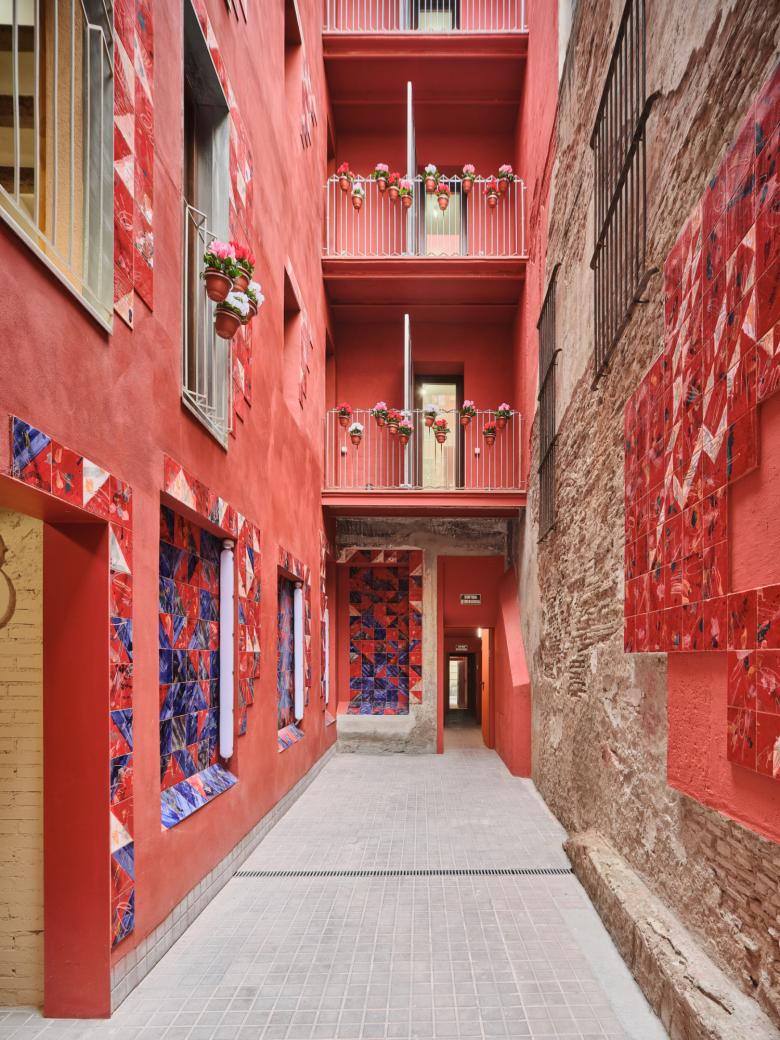
One of the key objectives of the intervention has been to reintroduce natural light, ventilation, and spatial quality to the interiors. To this end, the vertical courtyards have been reopened and new openings have been introduced towards the central courtyard, especially from the common circulation areas. The project seeks to encourage visual and social interaction between the dwellings and the collective spaces through a strategy of controlled transparency.
Text by Antonio La Gioia.