SUNYATA, Datong
A Dream of Pingcheng: Where Northern Wei Spirit Meets the Revived Shanxi Courtyard
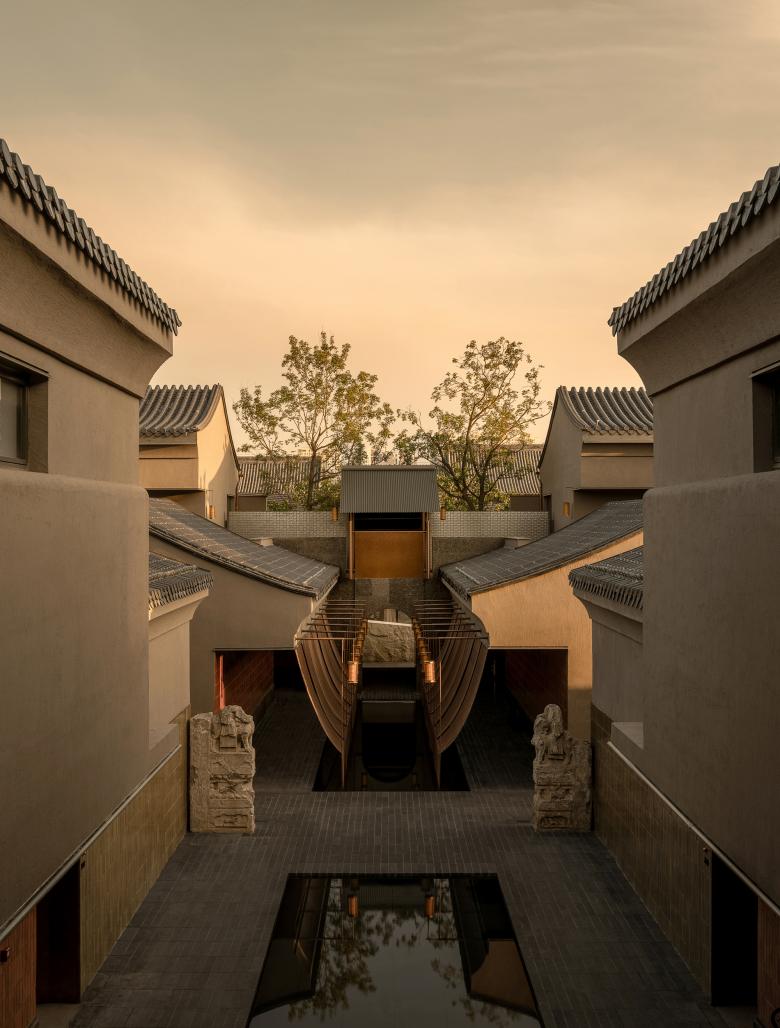
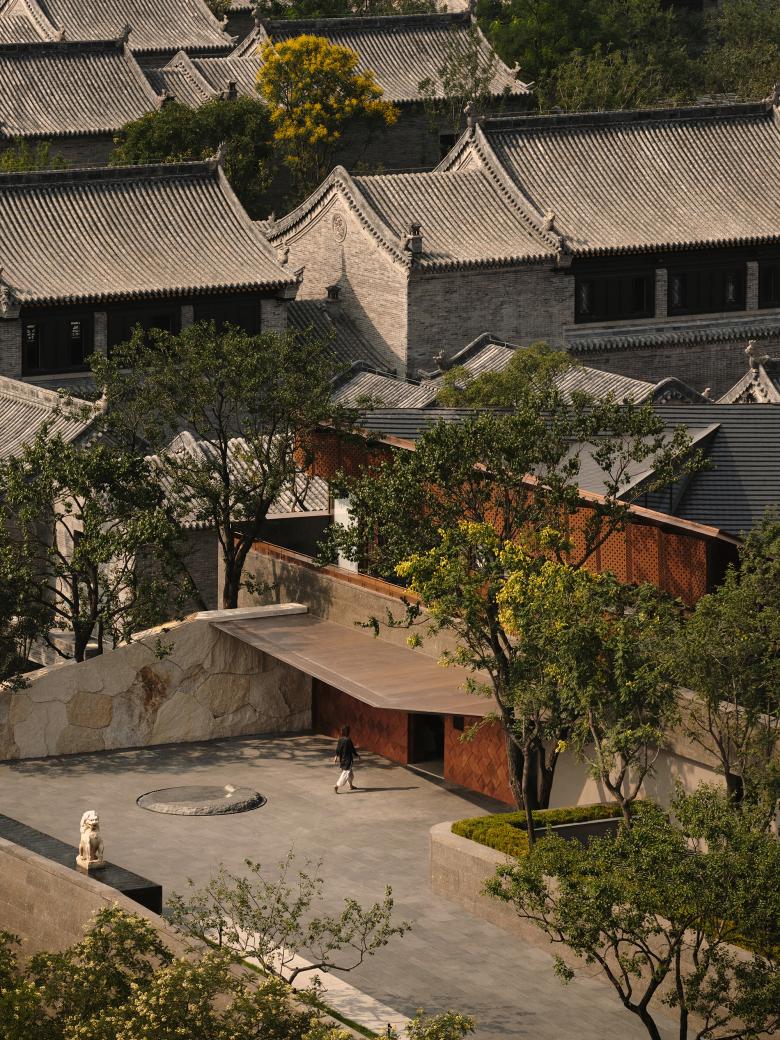
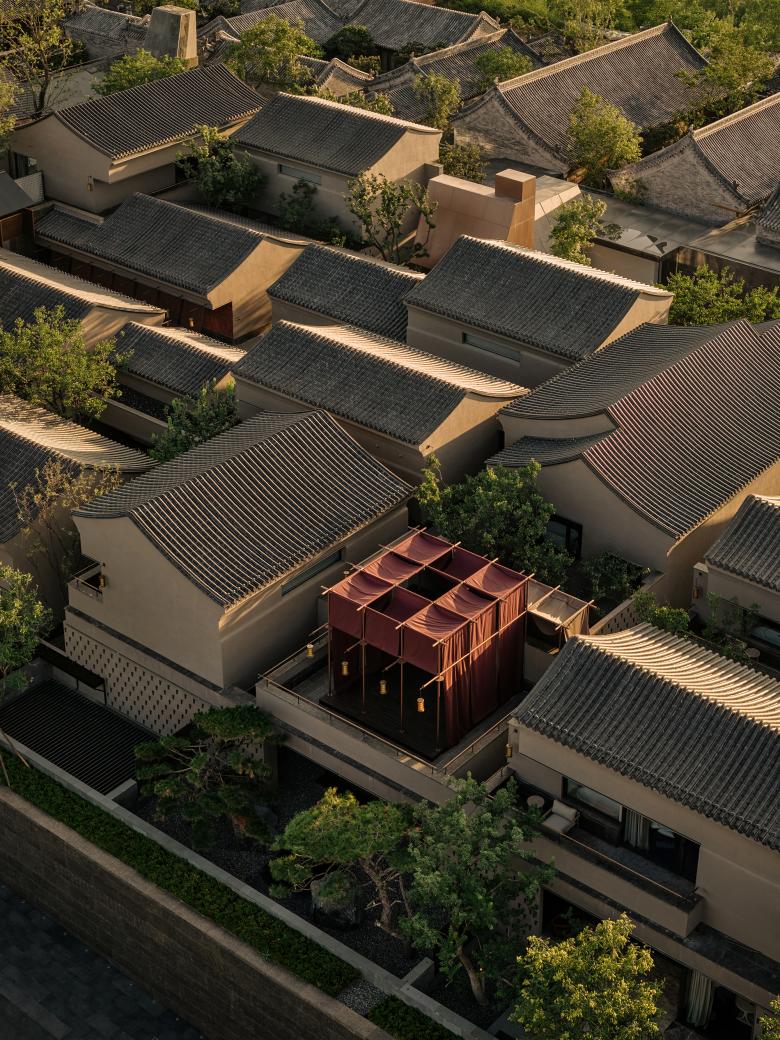
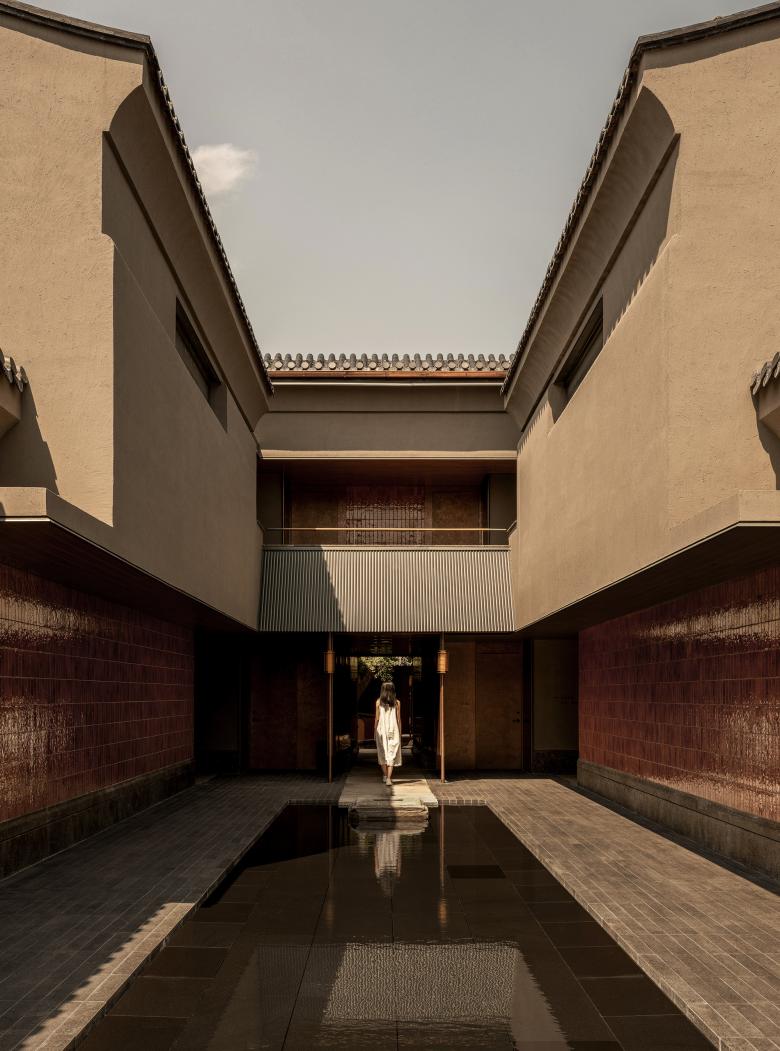
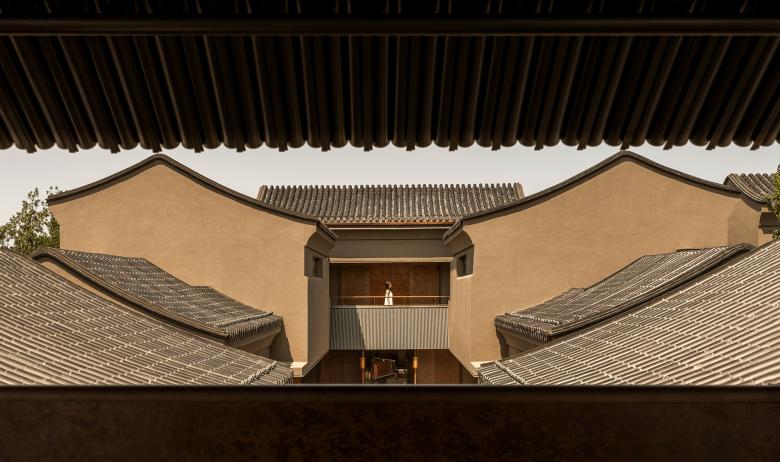
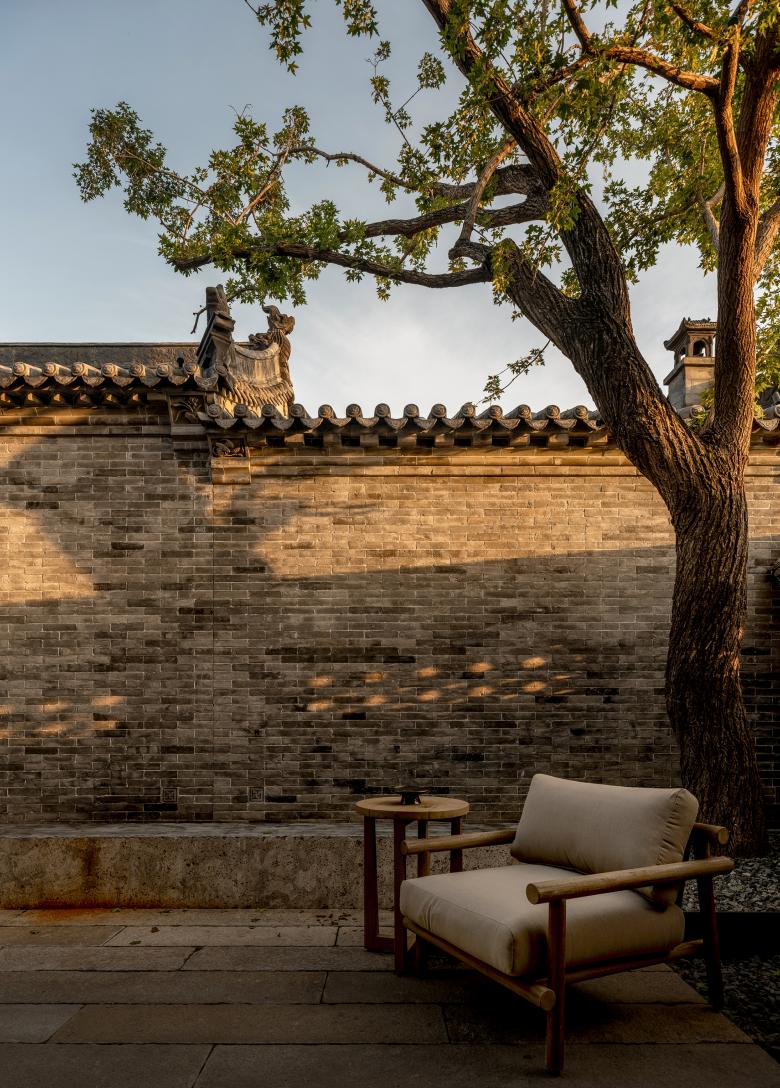
SUNYATA sits on the eastern edge of Datong’s ancient city, adjacent to Heyang Gate. Rooted in the architectural archetype of traditional Shanxi courtyard dwellings, the project adopts a strategy of “weaving the old with the new,” subtly extending the historic urban fabric. The essence of Jin merchant residences—imposing in their outward presence yet refined within, unfolding with a discreet five-courtyard spatial sequence—is reinterpreted through a contemporary architectural language.
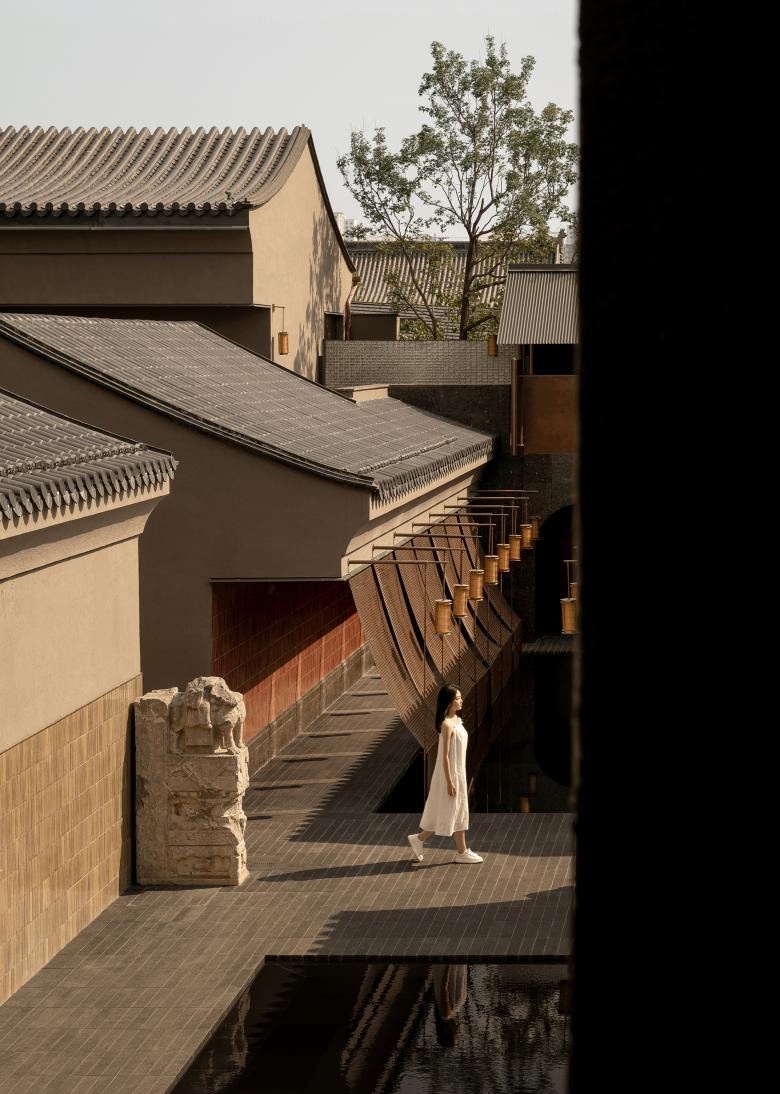
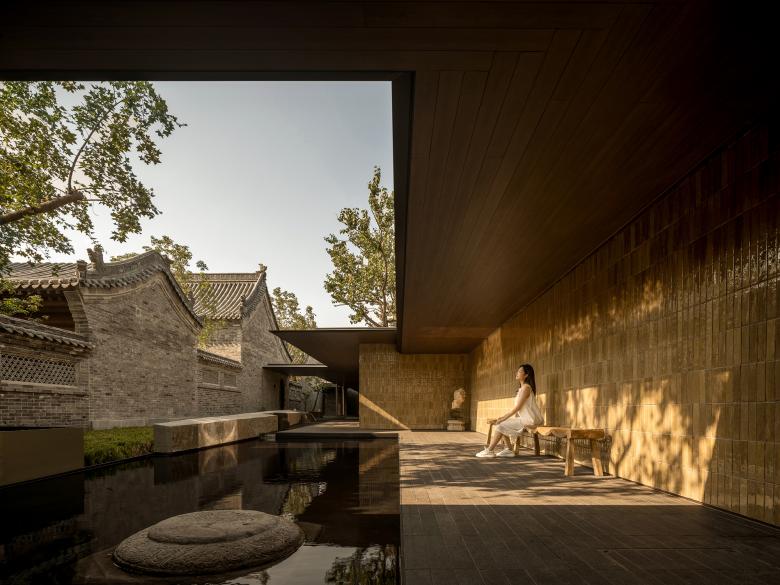
The new building volumes echo familiar vernacular scenes through their scale, composition, and restrained palette, subtly evoking traditional courtyard compounds, narrow passageways, and over-street structures. Across the central courtyard, restored historic houses on the west, now hotel guestrooms, engage in a quiet dialogue with the new architecture to the east, where Datong’s cultural memory gently resonates.
Tracing the Roots of Pingcheng
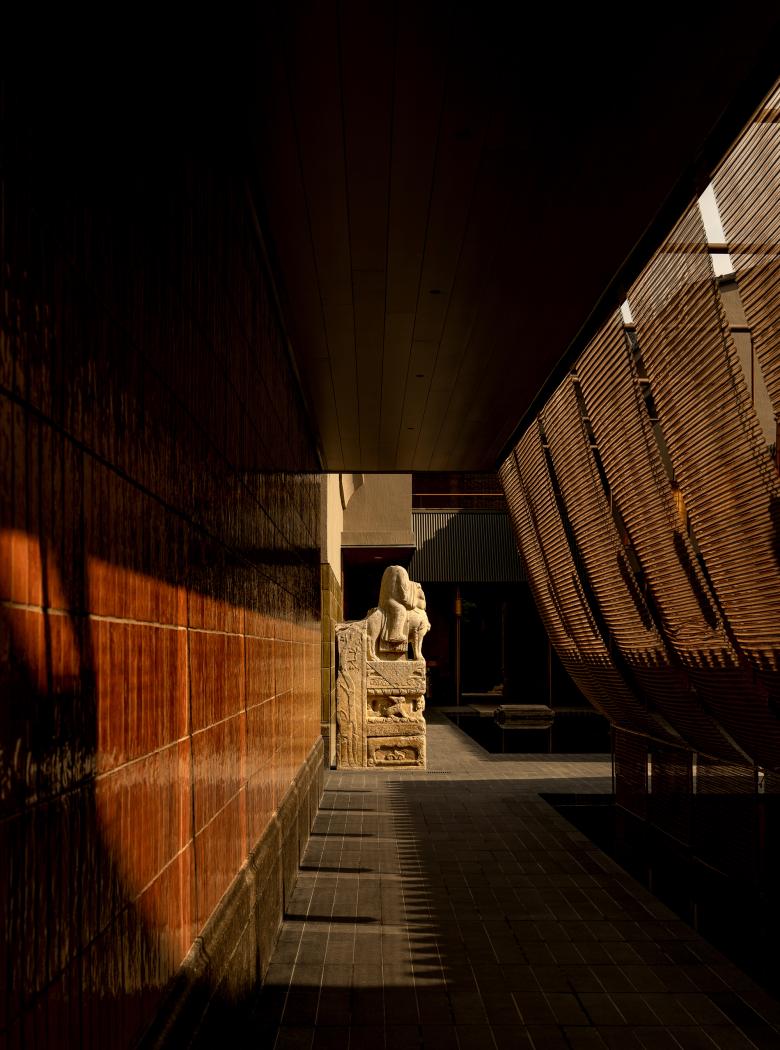
Datong, once known as Pingcheng, carries the austere grandeur of the Northern Wei (386-534 CE). The project draws inspiration from early Northern Wei sculptures in the Datong Museum—works defined by incised lines, powerful turns, and a raw yet disciplined tension. Their forms, with bold contrasts, echo the rhythm of Wei stele calligraphy. This distinctive aesthetic, infused with the mystique of the Western Regions, the vigor of nomadic cultures, and the grounded sensibility of the Central Plains, quietly anchors the project’s design. The Yungang Grottoes, multi-ethnic cultural artifacts, and Wei stele inscriptions also informed the design, emerging as a tactile and quietly resonant cultural presence within the space.
Five Realms: A Spatial Journey Across Time
Anchored in the theme “A Dream of Pingcheng,” the interior unfolds as a sequence of five realms—ushering guests into an immersive journey back to the Northern Wei.
Entrance
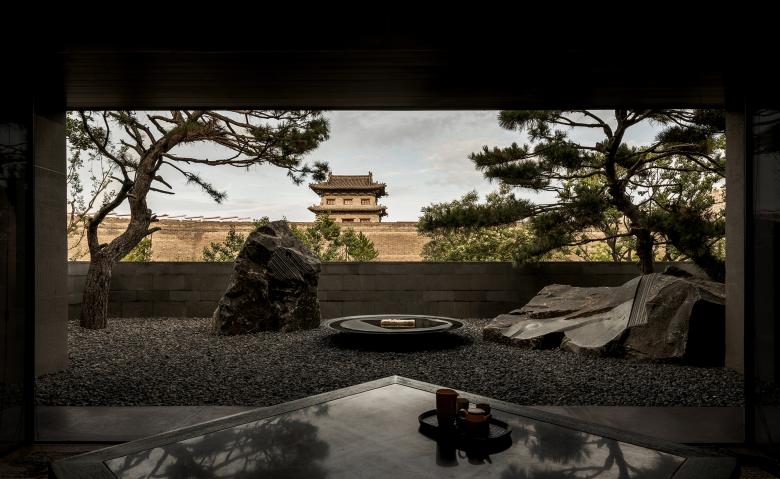
A Hidden Retreat: A Quiet Encounter with the Ancient City Wall
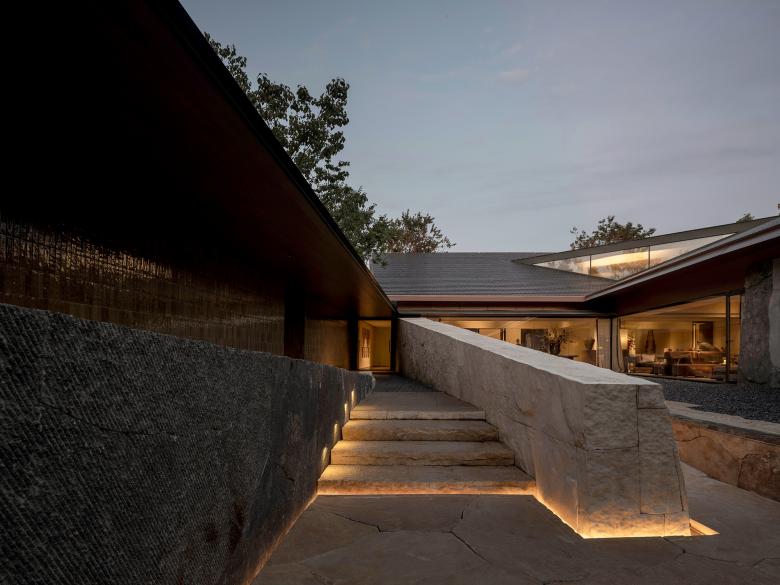
Before entering the hotel, guests are invited to look back toward the ancient city wall—a gentle ritual that bridges past and present. The entrance eschews ostentation in favor of solid massing
and crisp lines, echoing the chiselled strength of Wei stele inscriptions, setting a tone that is powerful yet restrained. Rough-hewn stone and matte wood carry the tactile patina of time, instantly drawing guests into a tranquil, contemplative atmosphere.
Lobby Lounge
A Dialogue Between Past and Present: The Poetry of Stone Carving
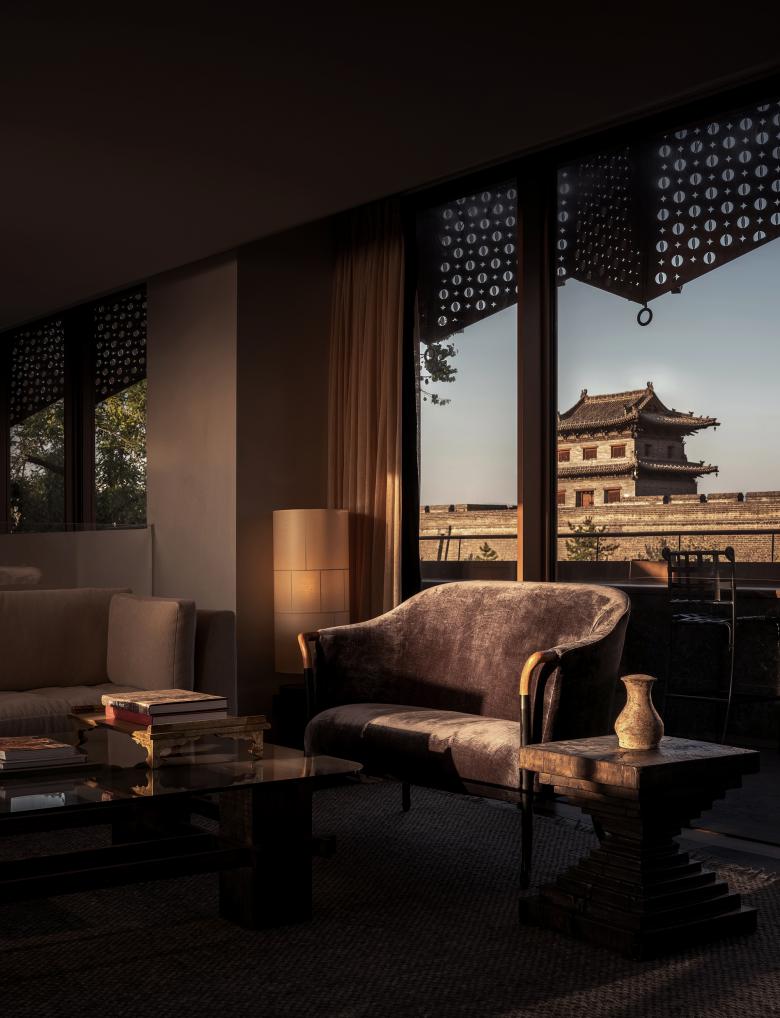
The lobby lounge becomes a breathing pause along the spatial journey, where a dialogue unfolds between inside and out, past and present.
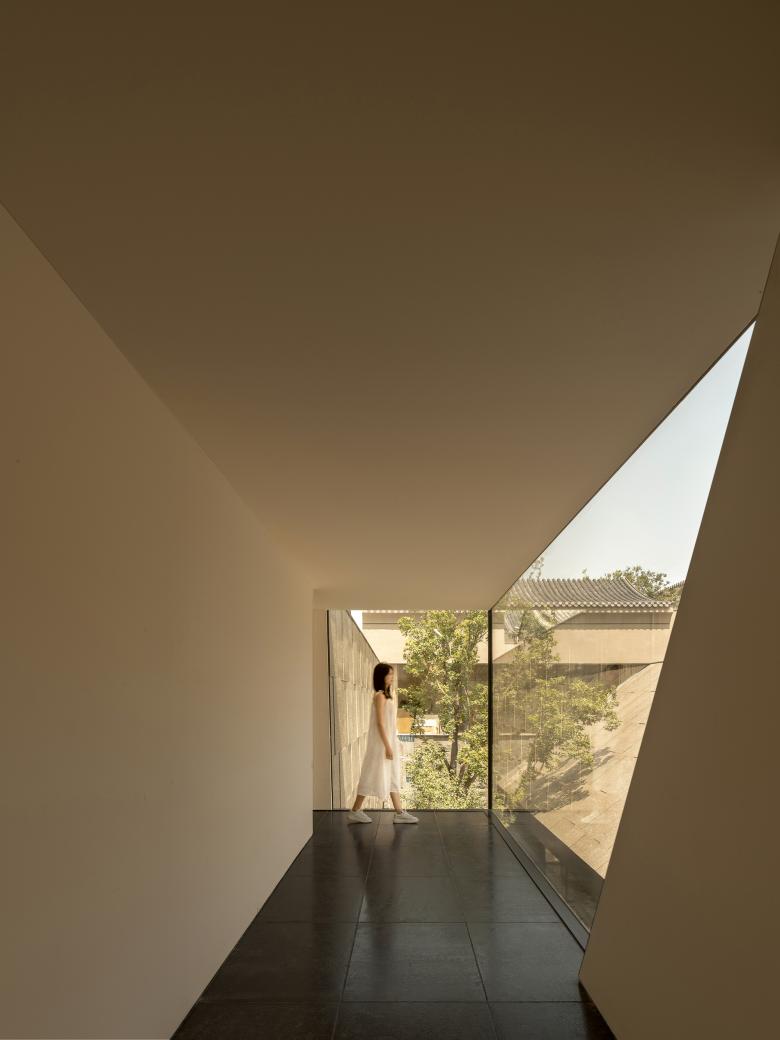
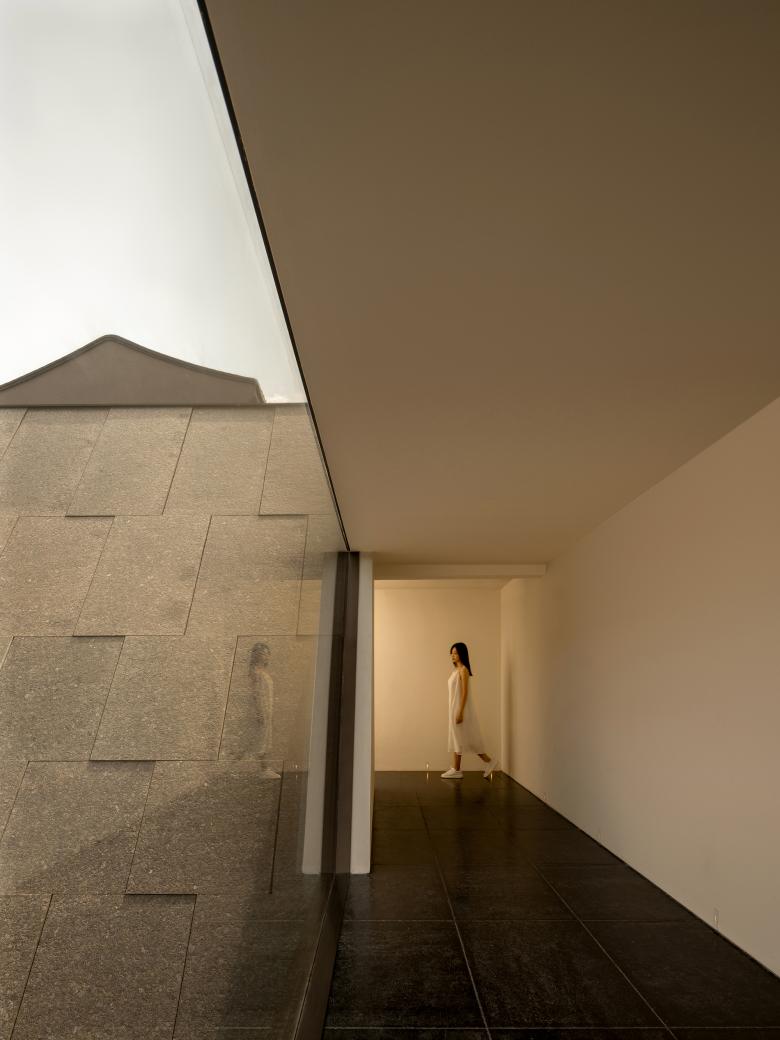
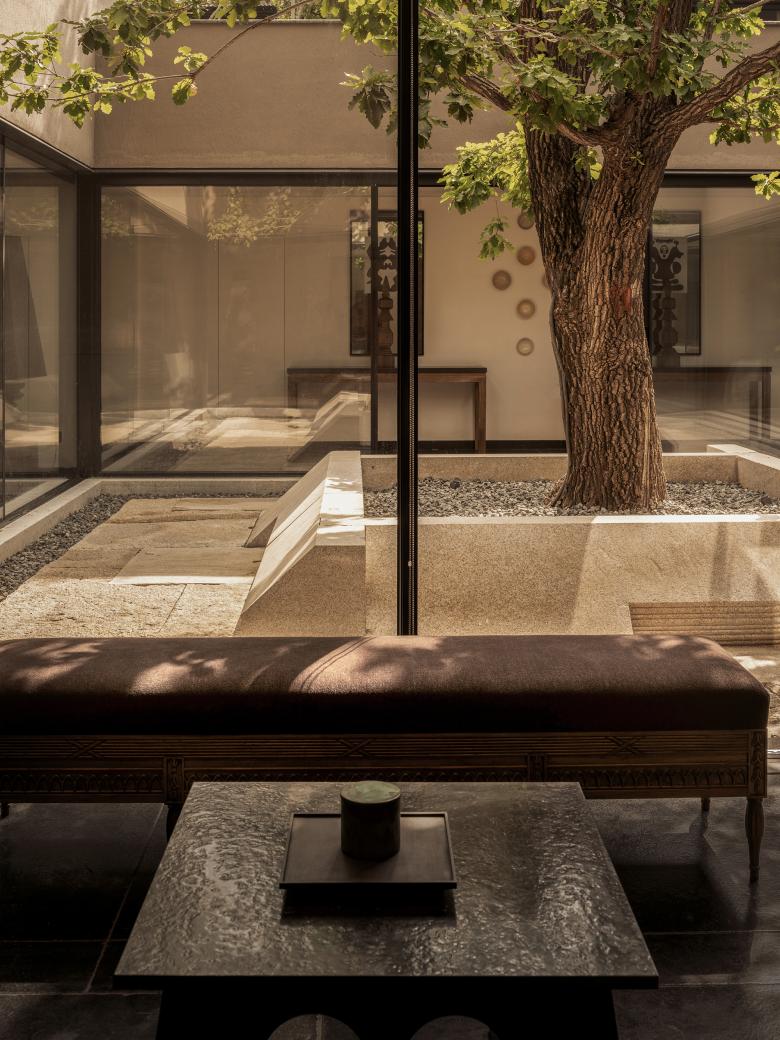
Expansive windows frame the contours of the ancient city wall and the upturned corners of traditional eaves, creating moments of subtle visual interplay. Across the central courtyard, old and new structures stand in quiet resonance.
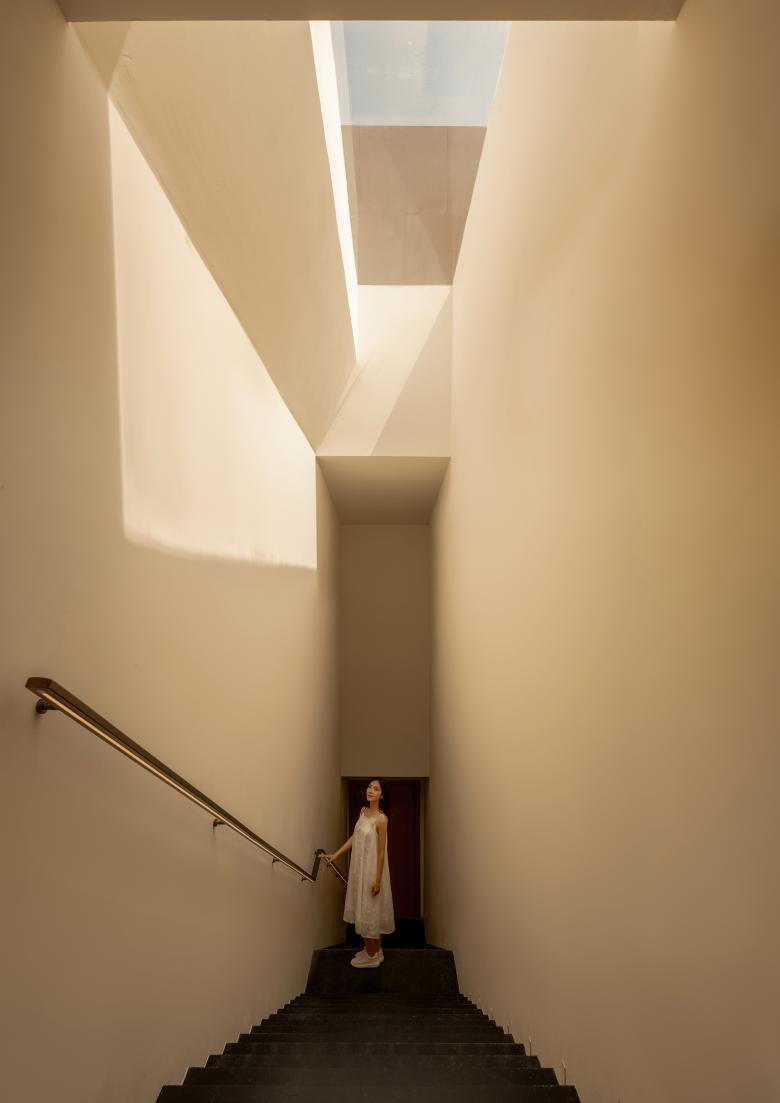
The spatial rhythm softens—an open layout and a carefully positioned lightwell invite guests to linger, feel the shifting light and drifting breezes, and settle into a sense of unhurried calm.
Restaurant
Echoes of Imperial Banquets: A Culinary Journey of Jin Elegance
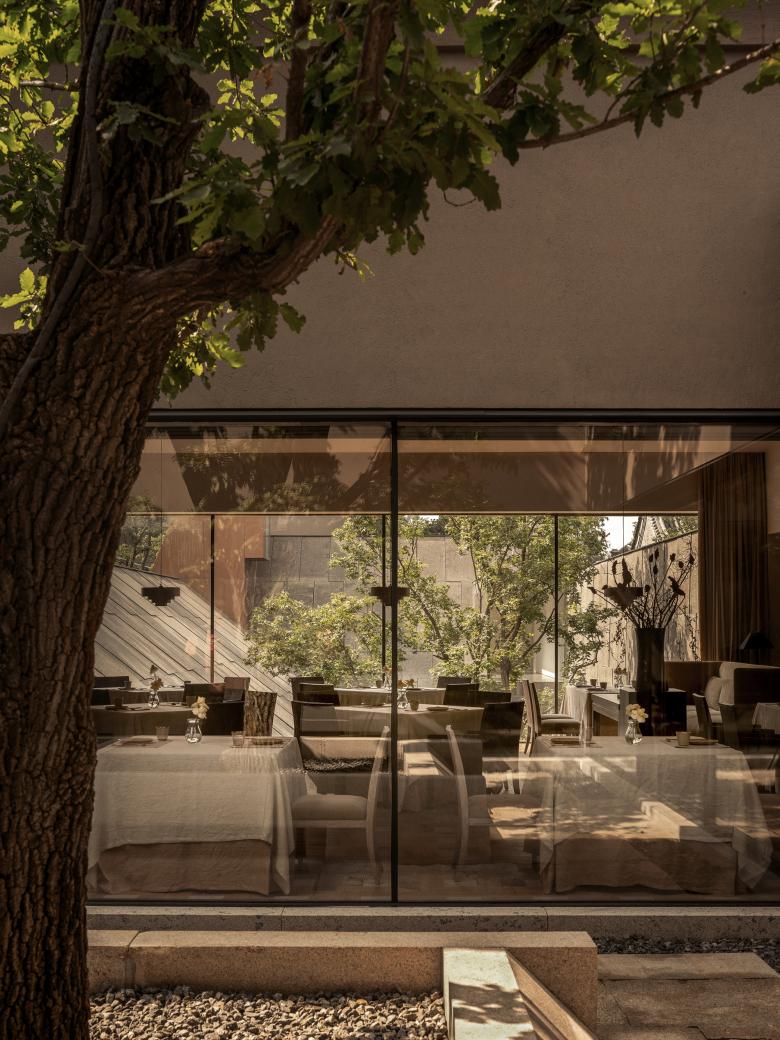
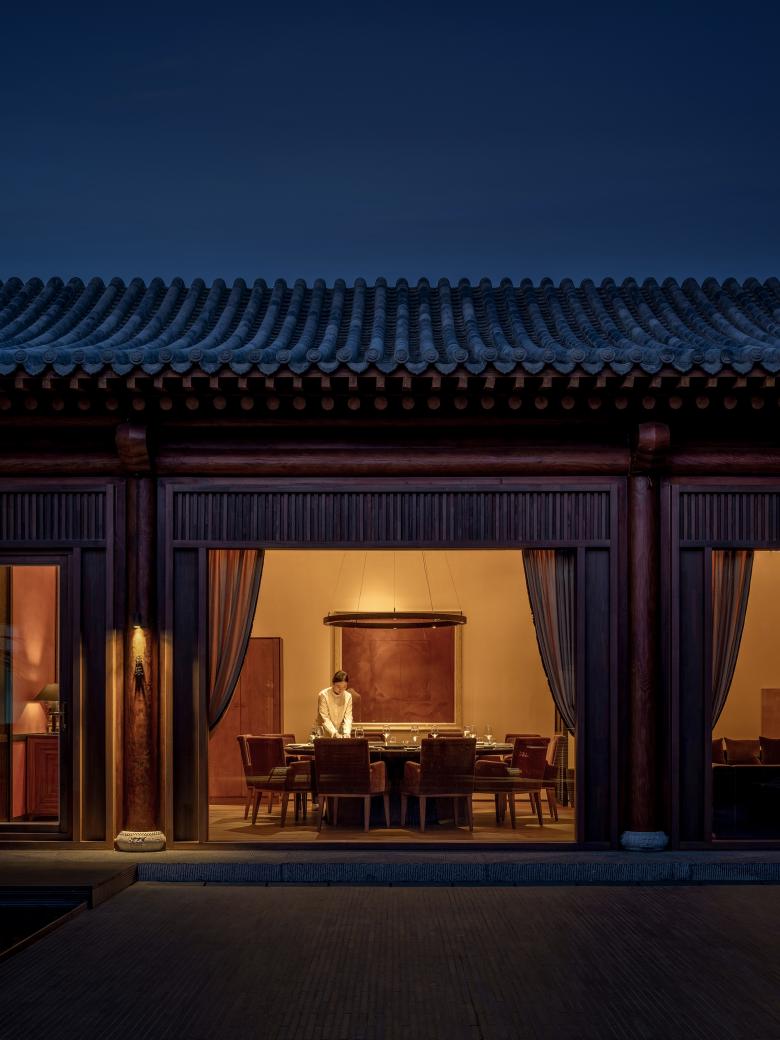
The restaurant draws on the lingering elegance of ancient imperial banquets, rooted in the ceremonial dining traditions of northern Shanxi’s court nobility and merchant clans.
The spatial order subtly references the hierarchical progression of a traditional five-courtyard Shanxi compound, reinterpreted rather than replicated. Jin court aesthetics are distilled and modernized, woven into the spatial composition and detailing.
Materiality and palette extend a sense of depth and refinement, and each dining setting becomes a contemporary expression of ritual—where dining emerges as a gentle, elegant dialogue between past and present.
Swimming Pool
A World Within: Reflections of Light and Water
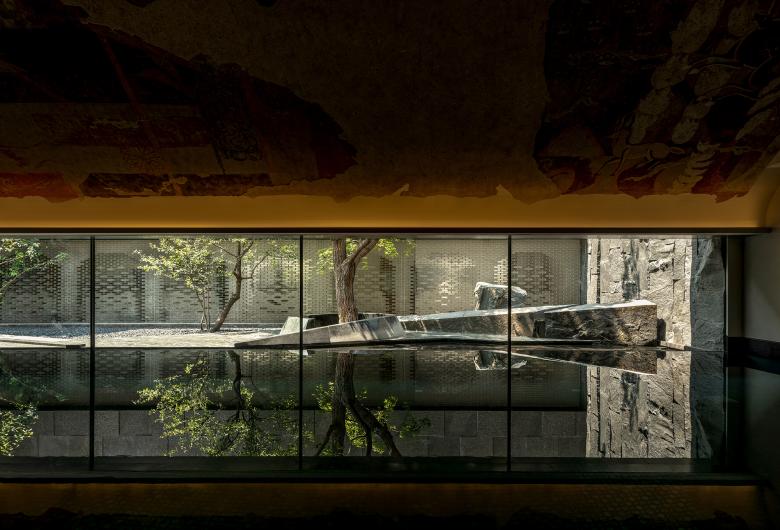
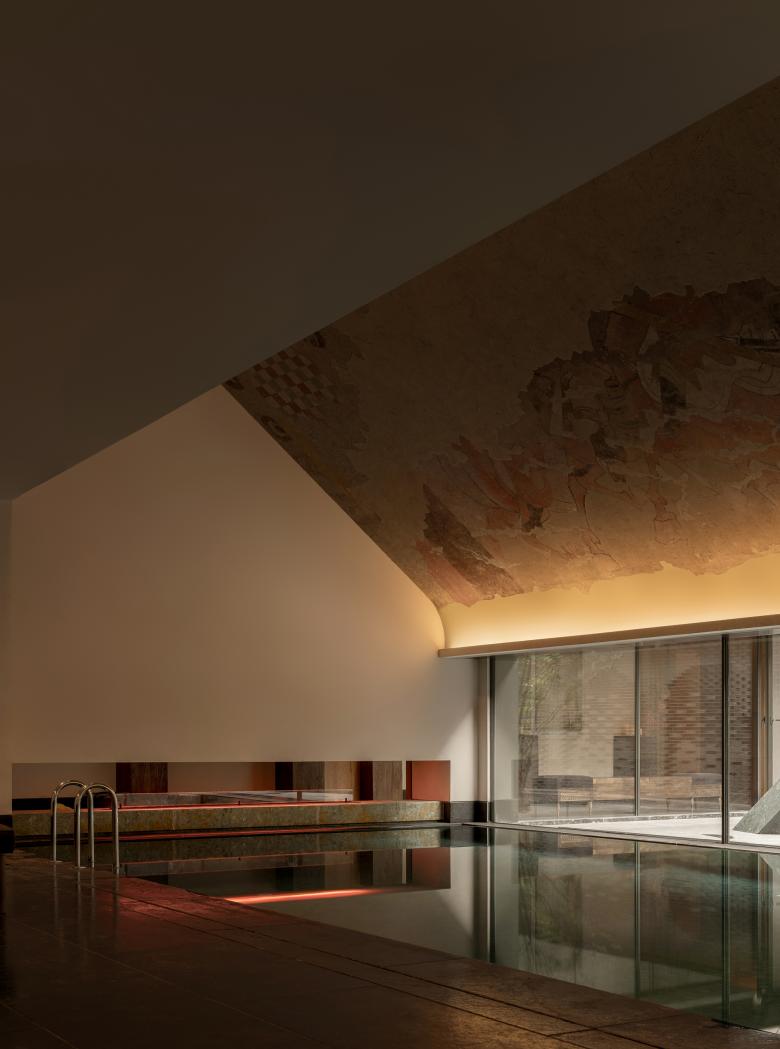
The swimming pool is conceived as a secluded retreat, offering a brief respite from the outside world. The atmosphere here gently echoes the cavernous serenity of the Yungang Grottoes. Light drifts across water and walls, casting shifting reflections that deepen a sense of mystery and calm.
Through the play of light, materiality, and fluid circulation, the space transcends its functional role, shaping a tranquil sanctuary for body and mind—offering moments of release, reflection, and inner calm.
Guestrooms
Seasons in Rhythm: A Poetic Courtyard Retreat in Northern Shanxi
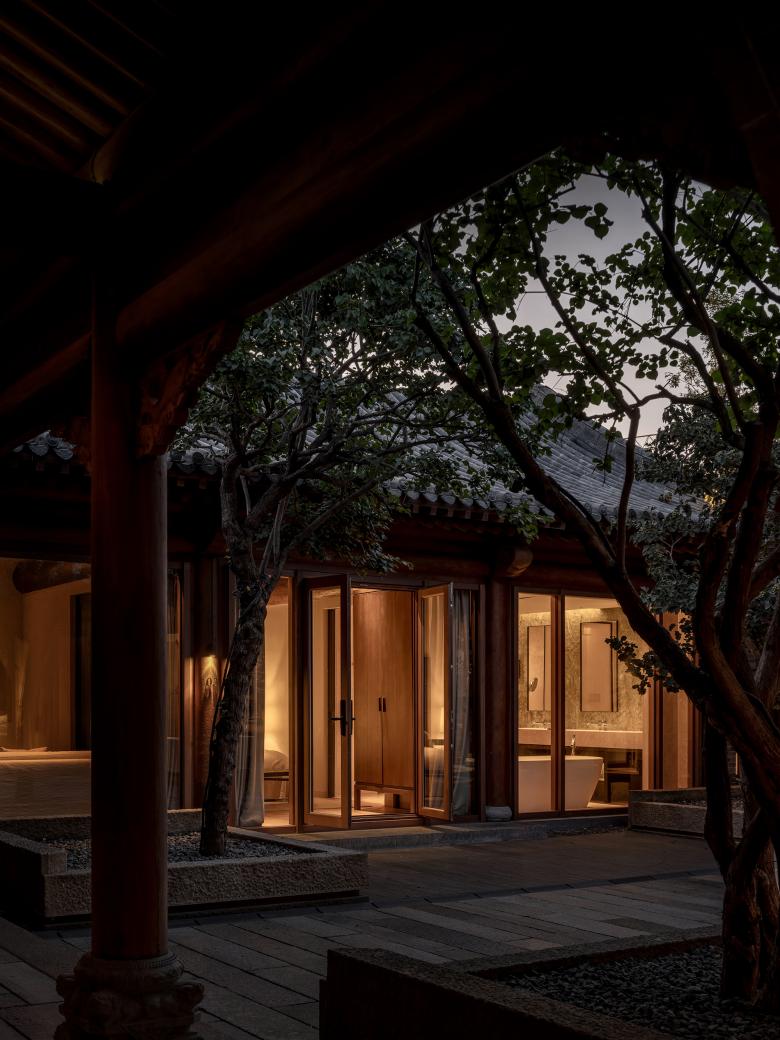
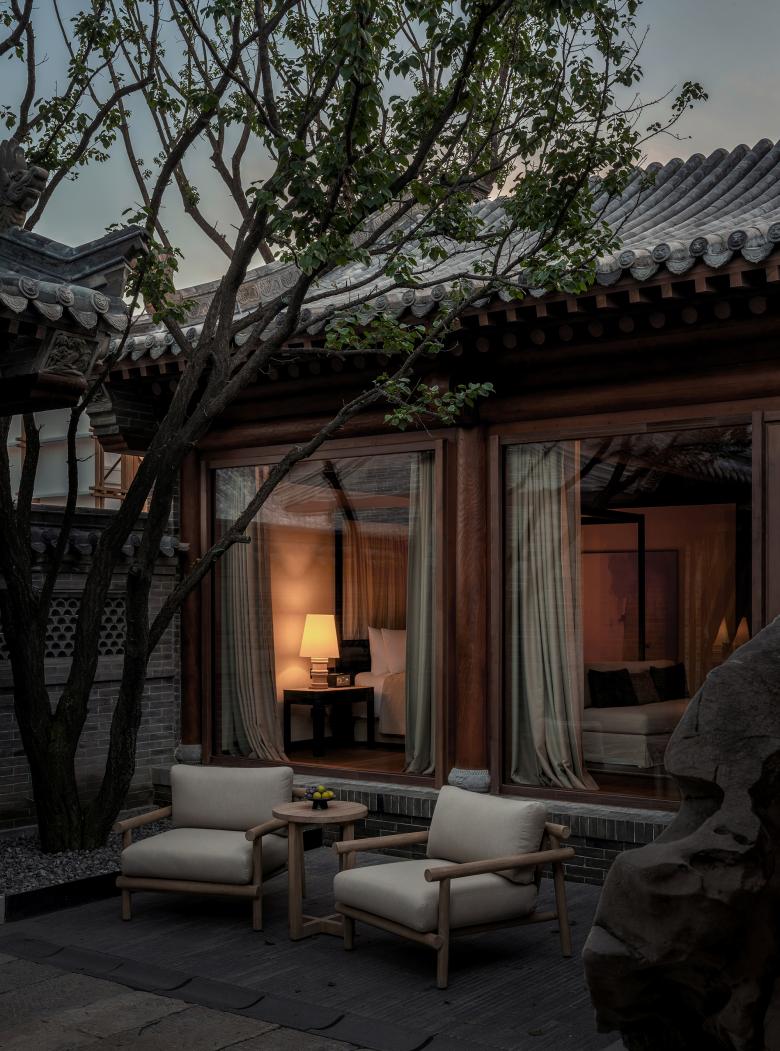
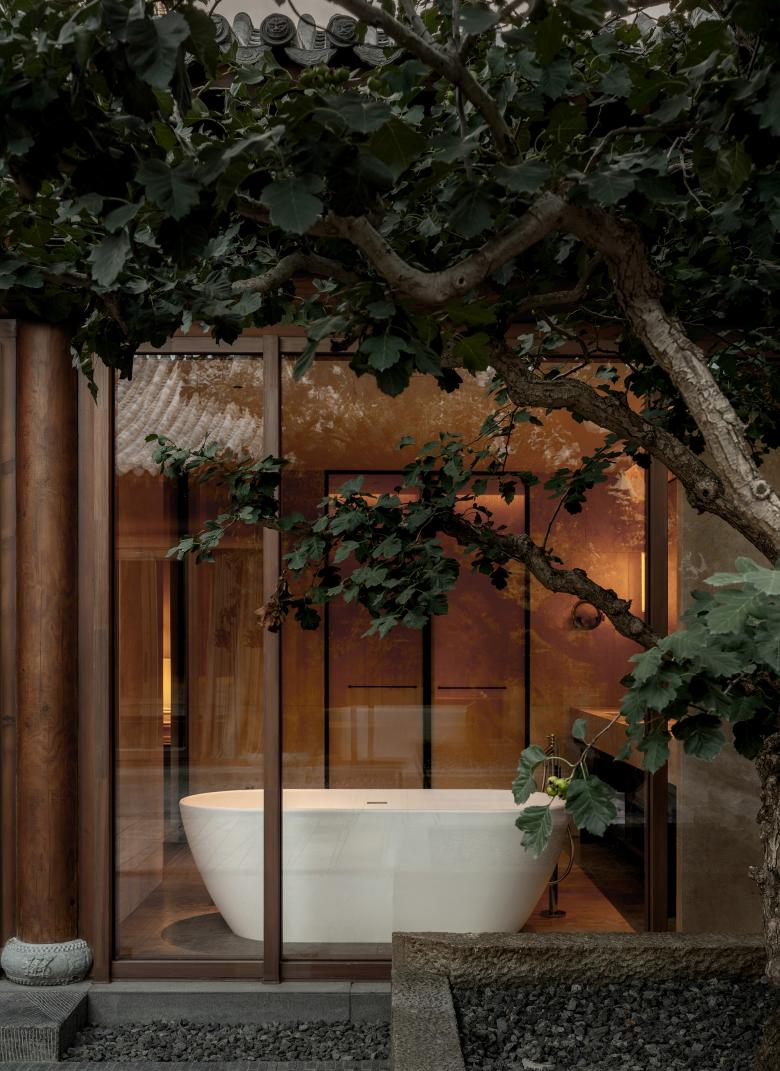
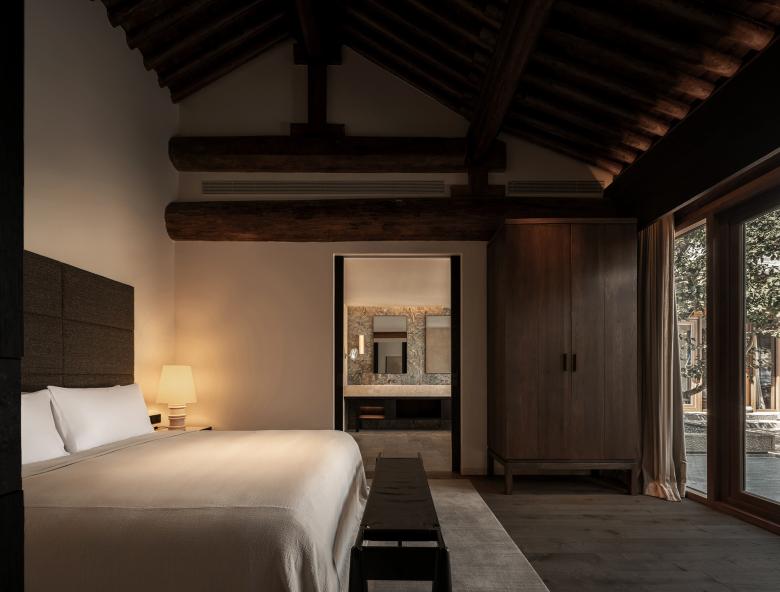
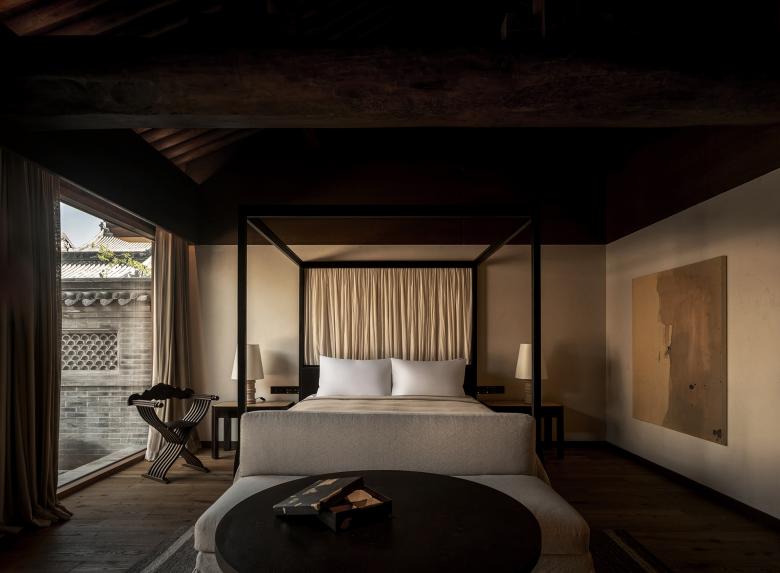
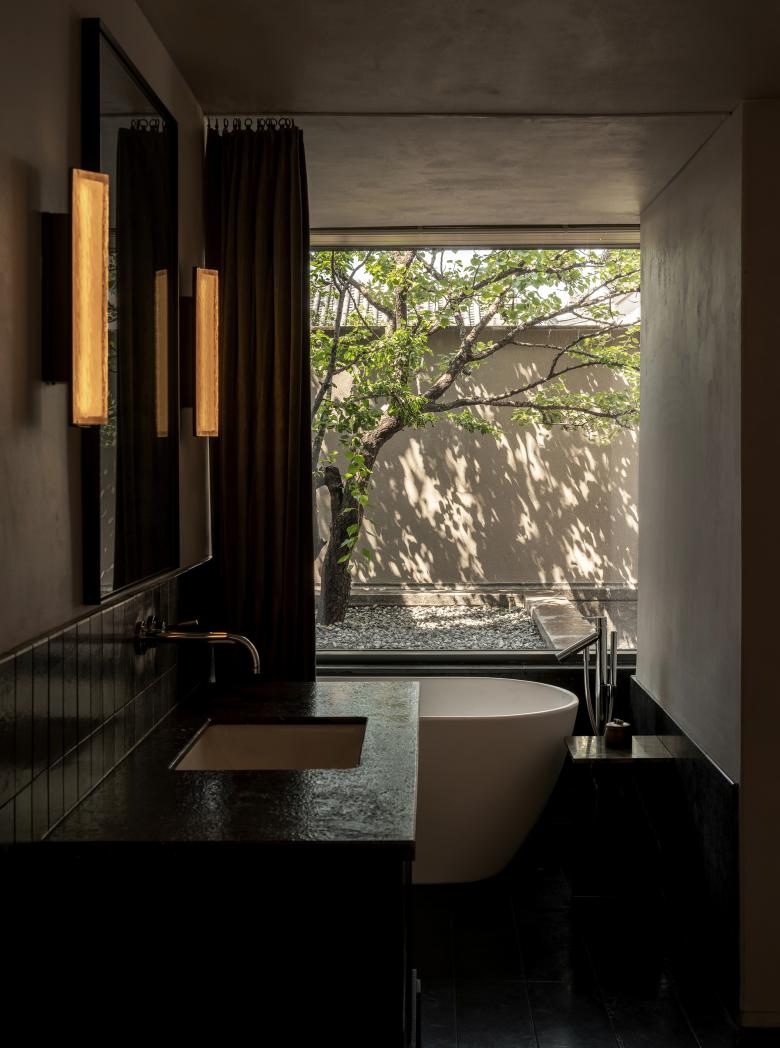
The guestroom area embodies the vision of “Seasons in Rhythm,” bringing to life poetic courtyard living in Northern Shanxi. The character of traditional courtyard residences—imposing yet discreet, layered yet refined—is reinterpreted through a contemporary lens.
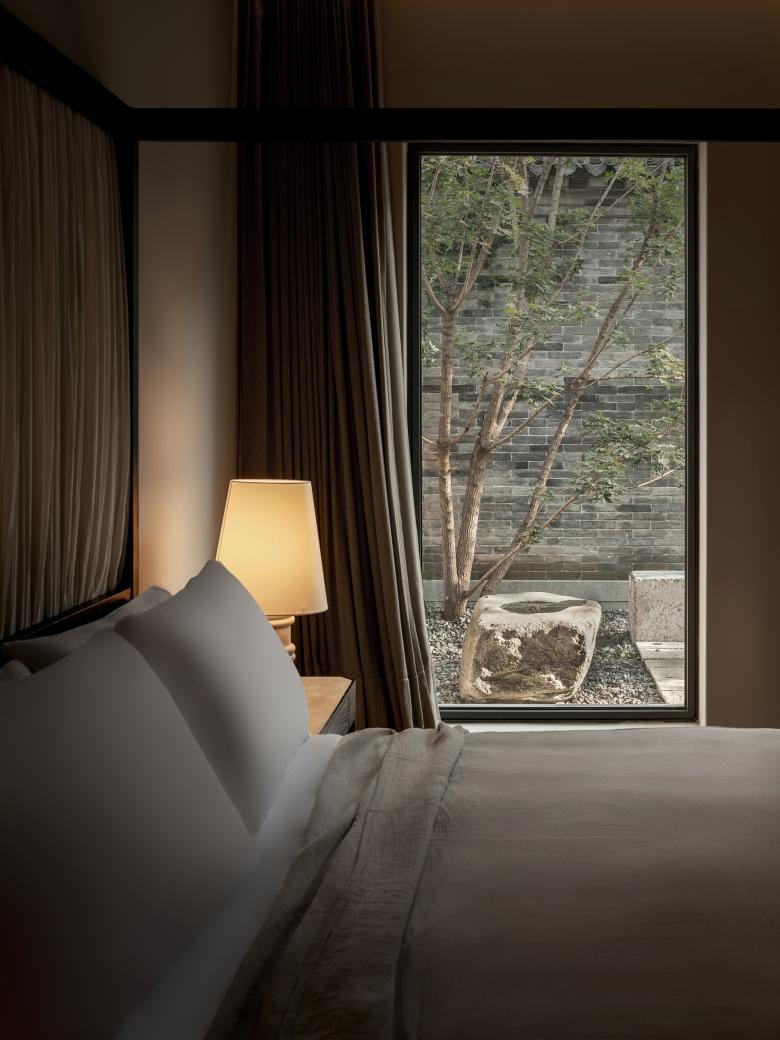
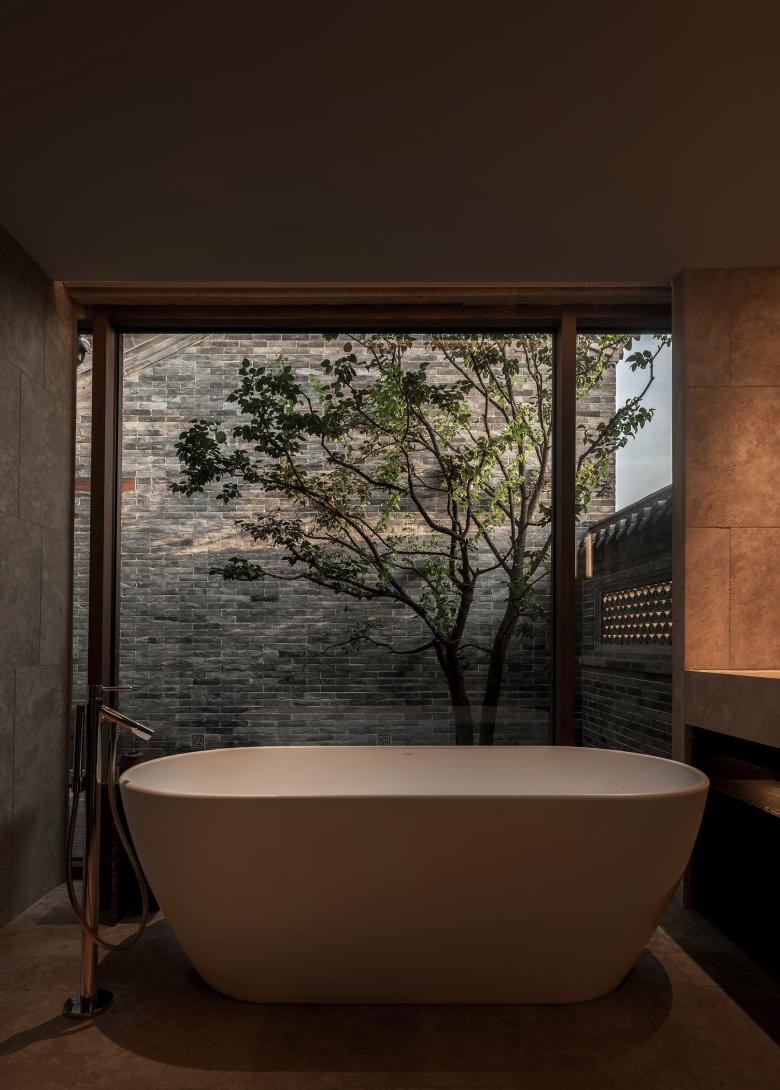
Courtyard compounds, narrow passageways, and over-street buildings, distinctive to Datong’s historic urban fabric, are subtly woven into the circulation and spatial layout. Windows capture shifting seasonal views like a living scroll, evoking the quiet elegance of traditional courtyard life.
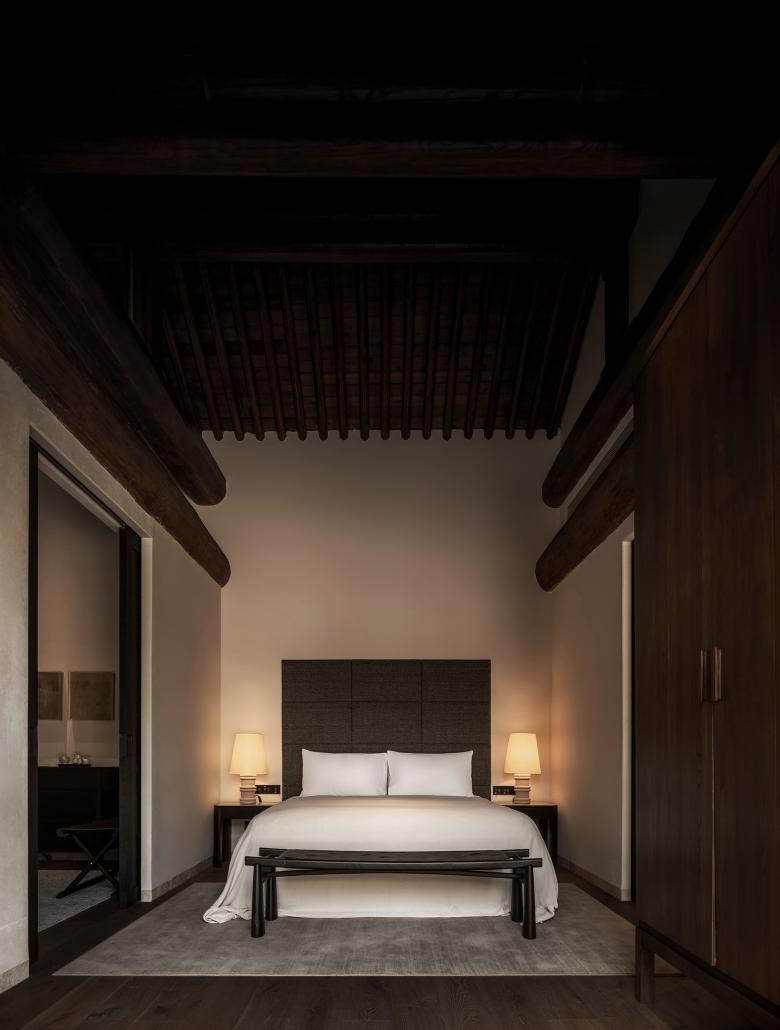
Warm, tactile materials and human-scaled proportions create an intimate atmosphere, translating the inner refinement of traditional courtyards into a contemporary experience of comfort and resonance.
A Retreat for the Spirit: Beyond Luxury
Building on CCD’s established expertise in international luxury hospitality, this project explores a more introspective interpretation of luxury. The vision is to craft a destination where contemporary travelers may settle the mind and restore inner peace.
Here, space becomes a vessel for memory, reflection, and cultural resonance. Materials, light, view, and spatial rhythm are carefully composed, cultivating an atmosphere that feels calm and resonant, gently echoing the passage of time.
Here, space transcends functionality, becoming a poetic retreat that bridges past and present—holding the city’s memory while offering contemporary travelers moments of repose. Nestled within Datong’s ancient city, SUNYATA is more than a destination; it is a place of historical depth and cultural resonance. With a quiet, unassuming presence, it invites each guest to slow down and rediscover themselves amid the thousand-year echoes of ancient Pingcheng.
Project information
Project name: SUNYATA, Datong
Client: Huaxia Jianghong (Datong) Cultural Tourism Development Co., Ltd.
Location: No. 9 Shiren Street, Pingcheng District, Datong, Shanxi, China
Interior design: CCD / Cheng Chung Design (HK)
Architectural design: goa
Landscape design: Shanshan Landscape
Interior furnishings: Signyan Design
Lighting design: CCD / Cheng Chung Design (HK)
Area: 4,772 sqm
Completion: August 10, 2025
Photographer: TOPIA
- Jaar
- 2025
- Projectstatus
- Built