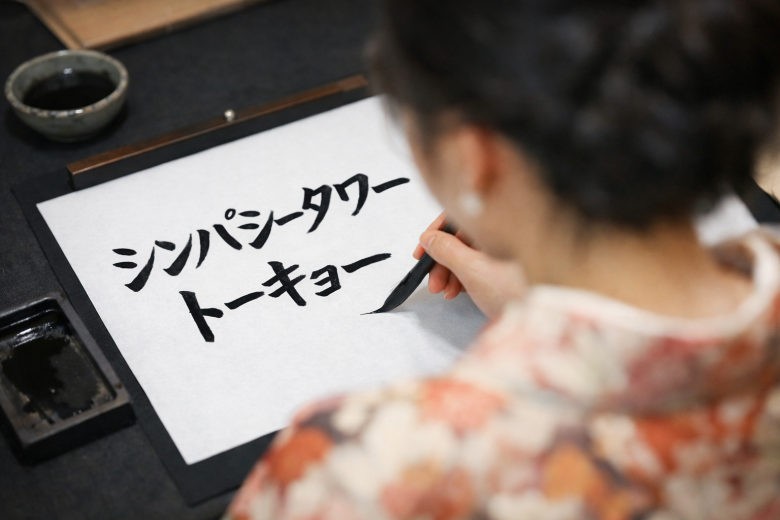
Madeline Beach Carey, in the latest installment of her “Building Novels” series focused on works of fiction with architectural themes, delves into Sympathy Tower Tokyo, Rie Qudan’s award-winning novel whose main character is an architect, and which was partly inspired by “conversations with an artificial intelligence.”
Sympathy Tower Tokyo scared me from the get go. I read it with hesitation, as the idea of incorporating AI into the fabric of the narrative initially struck me as gimmicky, perhaps even opportunistic. And the fact that a novel written with AI was a bestseller in Japan seemed to me quite horrific! However, for the most part, Qudan delivers something far stranger and more thoughtful than what I had expected.
The novel’s protagonist is Sara Machina, a Japanese architect who, living in an otherwise familiar future, has been commissioned to build a new tower to house convicted criminals. The idea is that the tower will be kind, even gentle: housing offenders with compassion and comfort. Sara, herself a victim of violent crime, wonders if this sympathetic approach to criminals is appropriate. Sara became an architect precisely because she wanted to control her own fate. As a child she was raped and the people who should have been most protective were instead dismissive of her experience.
Japanese attitudes towards criminality and violence run throughout the story. Who is forgiven and do criminals deserve the right to explain their why? Is society at large partly responsible for its worst actors? The residents of the new tower must take a compassion test: "Have your parents ever acted violently towards you? Yes, No, or I don't know." In a sort of horror plot from the not-so-distant future, the final and definitive decision about their fate will be made by AI. Rather than treating AI as a dystopian spectacle, Sympathy Tower Tokyo uses it as a lens to examine the instability of language itself.
The titular “sympathy tower” is more than a setting or architectural project; it is an argument, a thesis. The author seems to say buildings, like sentences, carry values. They organize bodies in space, dictate who may enter and who must remain outside, and naturalize power structures under the guise of neutrality. Design, in this dystopia, becomes a form of governance. A tower built in the name of empathy can just as easily surveil and label its “patients.”
This is where the novel becomes politically resonant if slightly too abstract and complex; murky in its symbols. Qudan suggests that both architecture and language operate as double-edged swords, that they are capable of oppression—standardizing speech, classifying identities, enclosing bodies—but also of liberation. A reconfigured syntax can destabilize authority; a redesigned space can alter social relations. AI, she seems to argue, exposes how much of our supposedly organic world is structured by invisible systems.
The novel explores the script used to write foreign-derived words. The words translated into katakana (as opposed to the hiragana script and kanji characters that are used to write traditional Japanese words) resemble transliterations of English—e.g., "negurekuto" for neglect, "fōrin wākāzu" for foreign workers—which to traditional Japanese ears are "more euphemistic" and can avoid "discriminatory turns of phrase." Sara worries that the Japanese are losing their own language. The debate within a fictional text feels a bit forced, as if the characters serve as composites rather than fully developed people.
My initial skepticism about AI in fiction didn’t disappear, but it did waver a bit. In Sympathy Tower Tokyo, technology is not the subject so much as the catalyst. The novel’s achievement lies in showing that the tools we use to construct meaning are never neutral. Hardly a new idea, but one as pertinent as ever.
Far from being just a trendy experiment, the novel is a meditation about power and its forms. Qudan never allows the reader to forget that she’s experimenting, though, and asking questions not only about the role of AI in literature, but the architectures—linguistic and physical—that structure everyday life. Still, I would have preferred a novel about more specific characters and places--something that felt more human, more beautiful, closer to the messiness of building our everyday lives. Reading this novel didn’t feel like reading a story about people, but rather like reading an account formed and thought-out by people and machines.

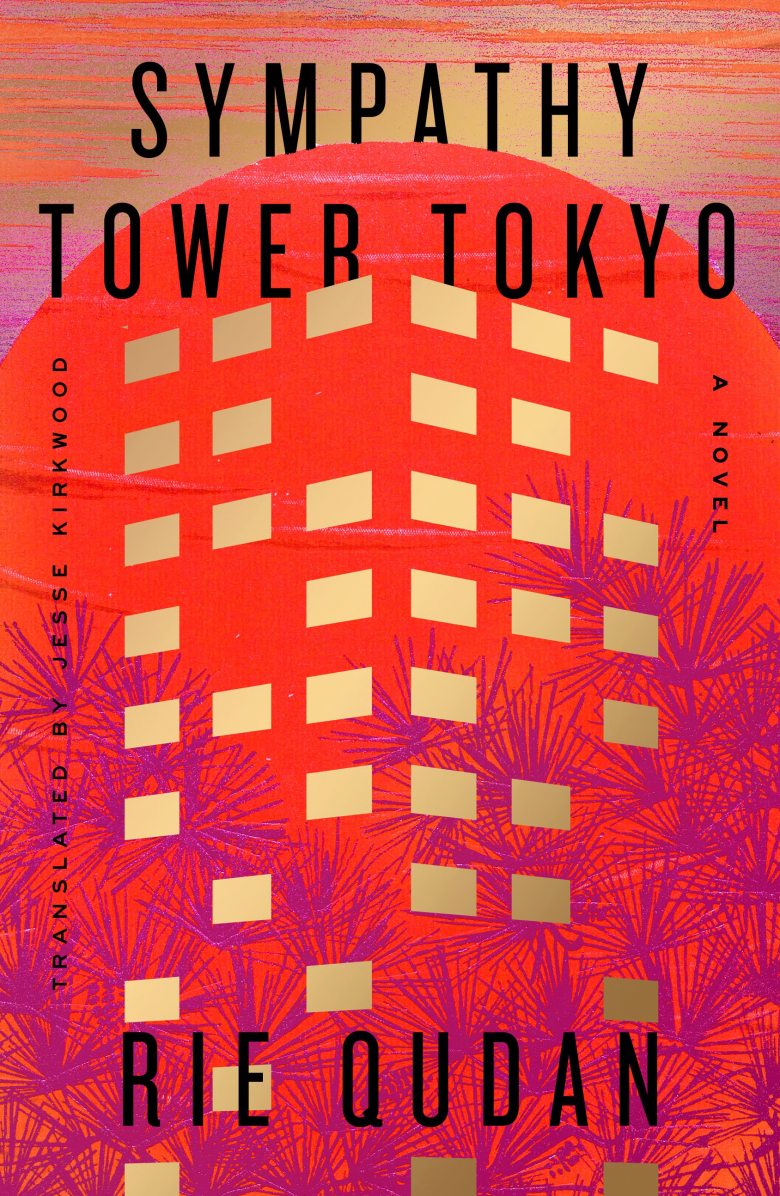
Sympathy Tower Tokyo
Rie Qudan
Translated from the Japanese by Jesse Kirkwood
208 Pagina's
Hardcover
ISBN 9781668094129
Simon and Schuster
Aankoopdatum: