Tangible Spatial Thinking
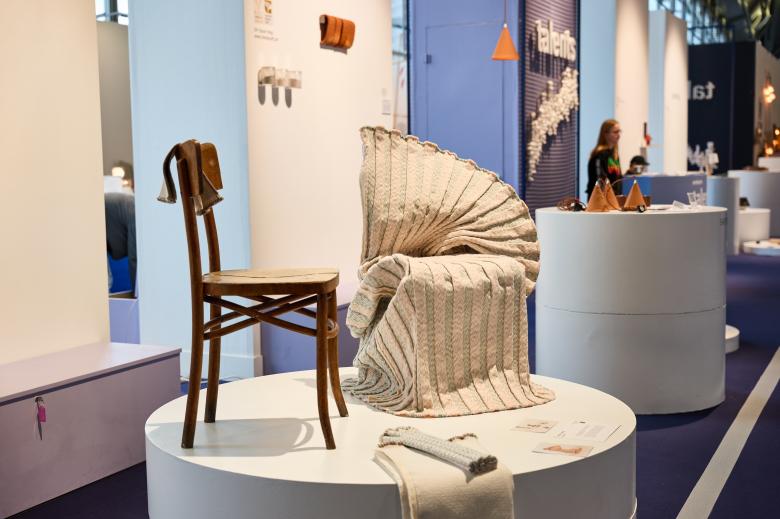
Interior design is increasingly seen as a fundamental tool in having a positive attitude towards life. The discourse on this topic was stimulated in mid-February at the Ambiente trade fair and the expert presentations in the event program organized by World-Architects.
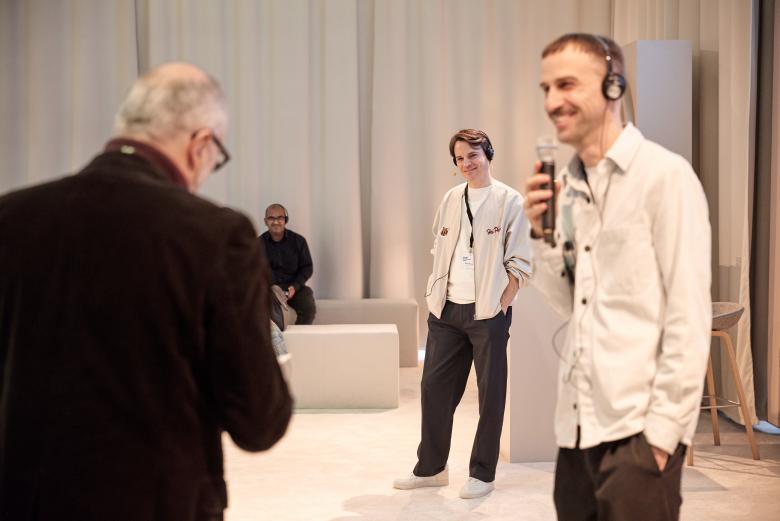
“In a world where algorithms are learning to think, feeling remains our greatest strength.” With this message, Rene Rauls and Moritz Köhler from Studio Komo Interior Designers in Stuttgart were certainly striking a chord with the spirit of the times. They talked about “relevant interior design, whose true tools are empathy, intuition, and listening,” and revealed “how emotional intelligence shapes spaces that have an impact and inspire emotion.” Speaking as part of the Architect Days program conceived by World-Architects in conjunction with Ambiente, where the latest interior trends were on display, the two interior designers gave personal insights into their work. The format, integrated into the new “Interior Design and Architecture Hub,” specifically addressed discourses on space, design, and architecture over two days, when a total of eight specialist talks by renowned experts from the fields of architecture, interior architecture, and design took place. The talks were complemented by tours with World-Architects leading participants to selected exhibitors.
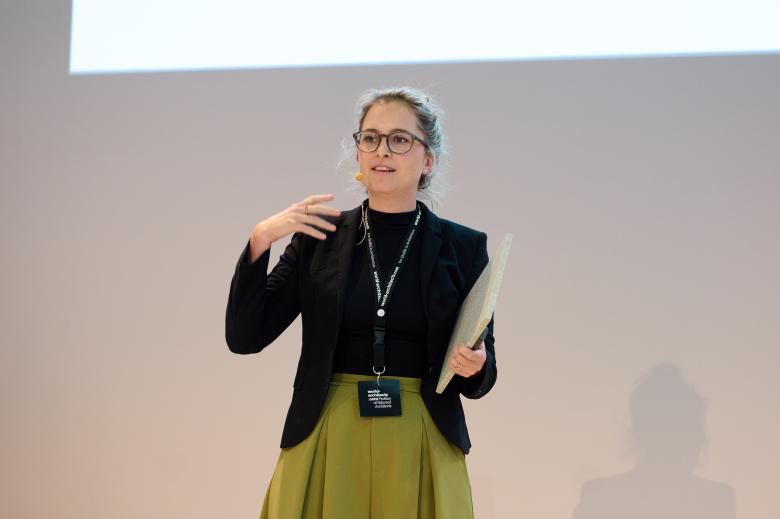
Overall, the ideas presented in all eight expert presentations at the World-Architects Architect Days had a clear focus: spaces should promote well-being and have a harmonious and inviting effect. They should create identity and, especially in the hospitality sector, a memorable spatial experience. To pick up on the latter point, Sophie Pfeffer from destilat Design Studio in Vienna captivated her audience with a presentation on how product development, among other things, is becoming key to unique hospitality experiences: “For us, material is the point at which corporate architecture really becomes tangible. Values and brands must not only be visible, but tangible. They must be staged in such a way that places are created where people and brands can meet. Product development enables us to precisely control this staging—emotionally, functionally, and in terms of creating identity.”
Emotion also becomes a “timeless design principle that transcends trends” for Barbara Wiethoff of JOI-Design in Hamburg. She believes that rooms can be seen as a third skin: sensitive, protective, and full of resonance. “JOI-Design sees interior design as an emotional responsibility—to create spaces that connect, create identity, and leave a lasting impression.”
According to Franziska Lang, identity is preserved through lived culture, cultivated tradition, and quality craftsmanship. The architect conveyed pedevilla architekten's approach in Bruneck, Italy, in “Shaping Home: How Hotel Buildings in the Alpine Region Preserve Their Regional Identity.” This involves origin, attitude, and a contemporary form of hospitality that touches and connects.
Sigurd Larsen from the design studio of the same name in Berlin highlighted the factors that must interact to create an unforgettable hospitality experience in his keynote “Building a Hotel Means Creating an Experience.” His goal is always “to offer guests something they don't have at home—to make their stay unforgettable.”
Dieter Brell from 3deluxe in Wiesbaden focused on symbiotic environments that create new qualities of experience through the meaningful combination of nature, built architecture, and AI: "In an overly digitized world, people increasingly desire authenticity, sensuality, and genuine experiences. At the same time, artificial intelligence, robotics, and new technologies are opening up completely new possibilities for designing spaces that are more intelligent, more individual, and more emotional."
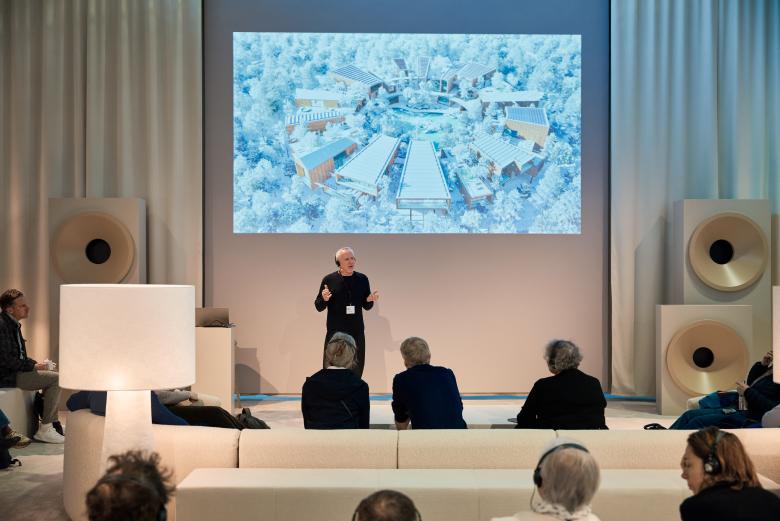
Sascha Arnold from Arnold/Werner Architects in Munich posed the provocative question, “Are we planning without considering the user?” In his presentation, he analyzed today's understanding of hospitality. His conclusion: “Architecture is successful when it not only impresses, but also functions. When it is designed for the people who work, live, arrive, and stay there. Spaces should fulfill needs, provide orientation, and generate emotions—and above all, promote communication.”
With his passion for visionary products and spaces that address futuristic themes related to civilization, Werner Aisslinger, of studio aisslinger in Berlin, in his talk “Beyond Work,” devoted himself primarily to unspecific “hybrid locations” that find their way into hospitality projects, developments in microliving, or mixed-use projects. “We are pursuing new paradigms that can guide our design practice and future challenges.”
Ambiente 2027
January 29 – February 2, 2027
Frankfurt Exhibition Center, Frankfurt am Main
ambiente.messefrankfurt.com