Tiny, but Huge
Tokyo, Japon
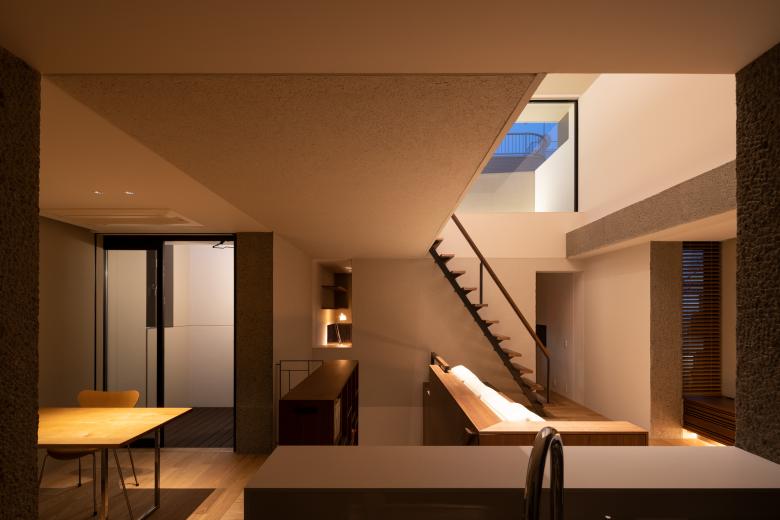
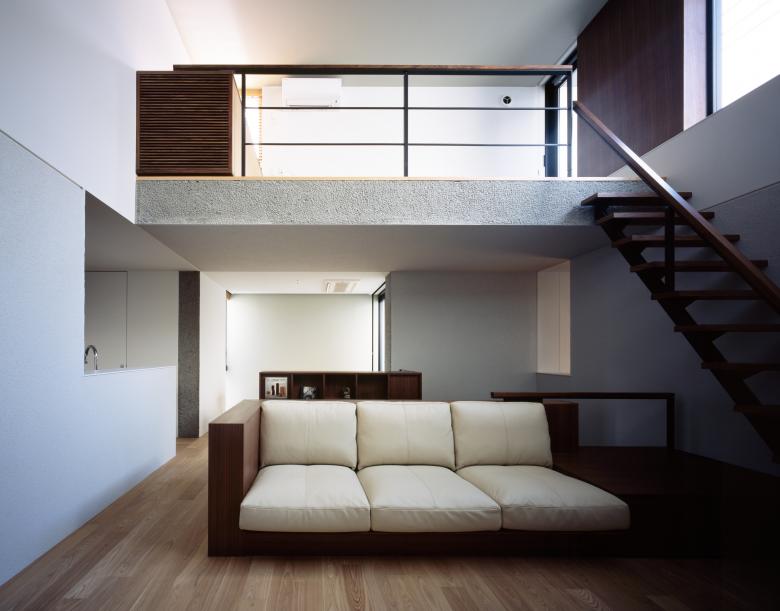
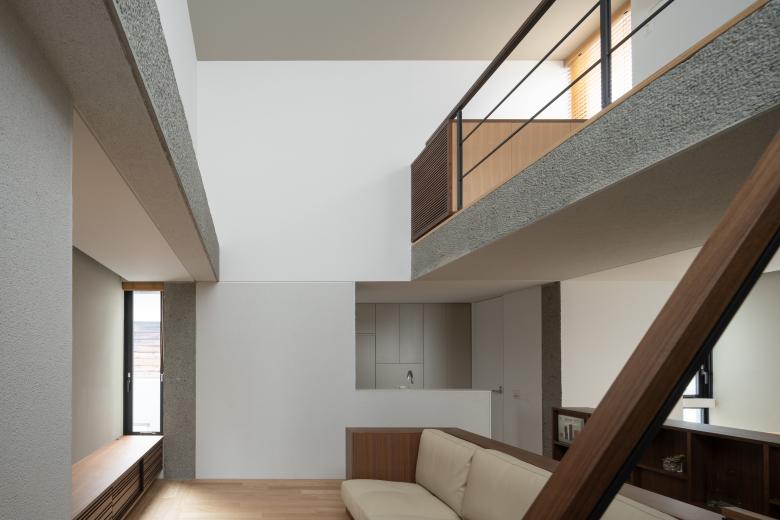
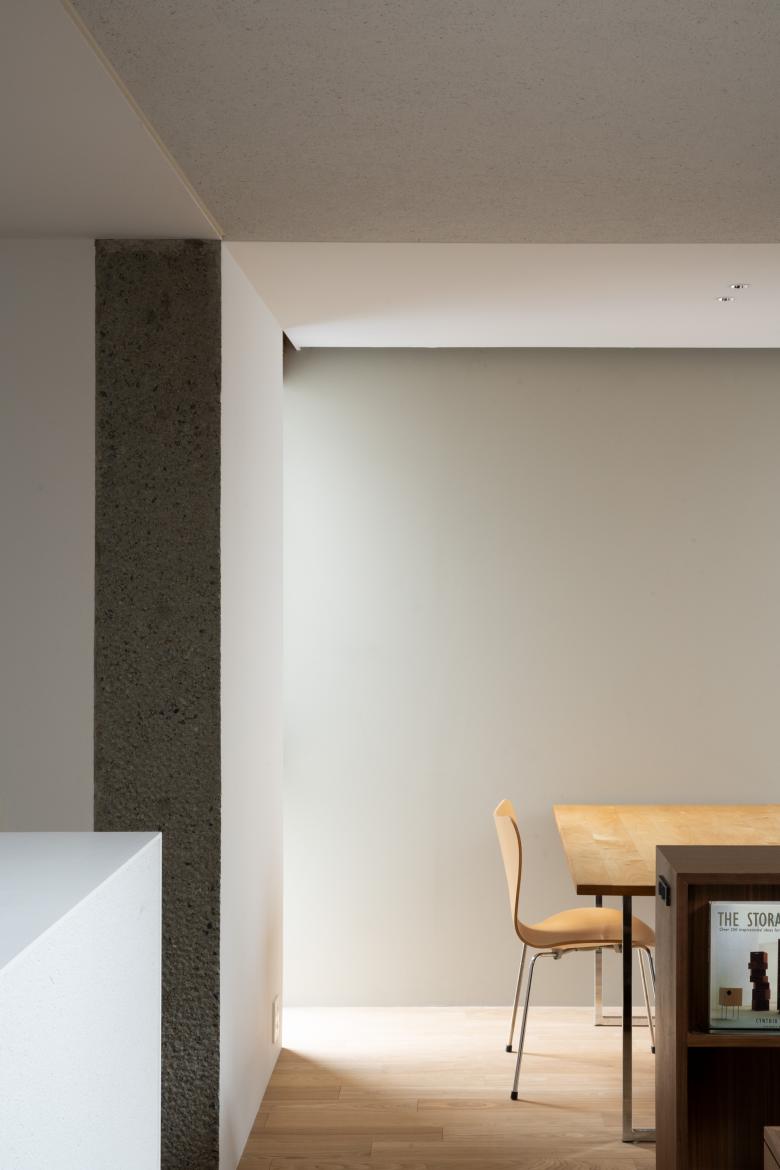
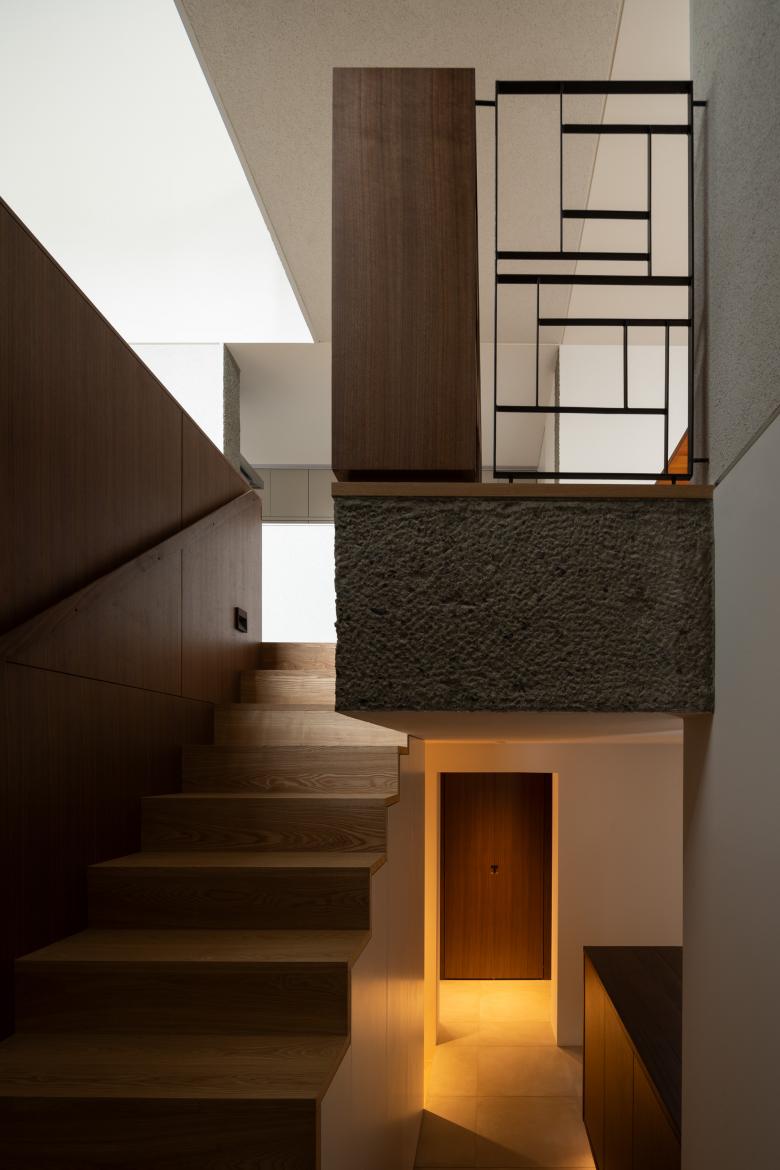
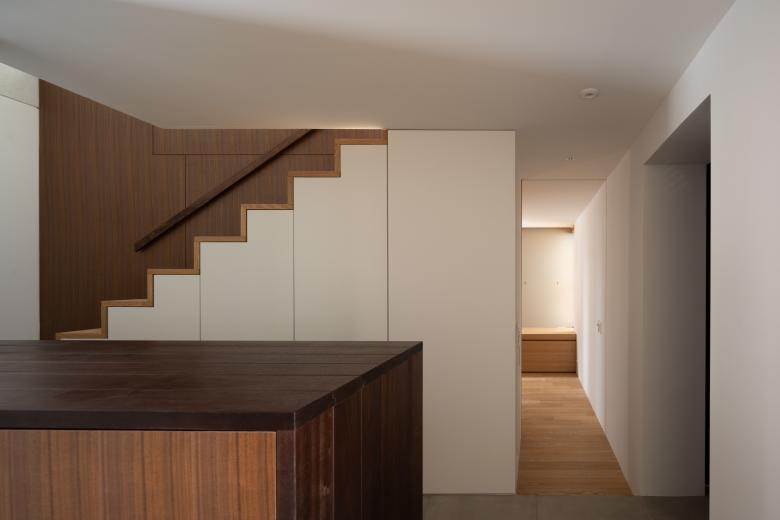
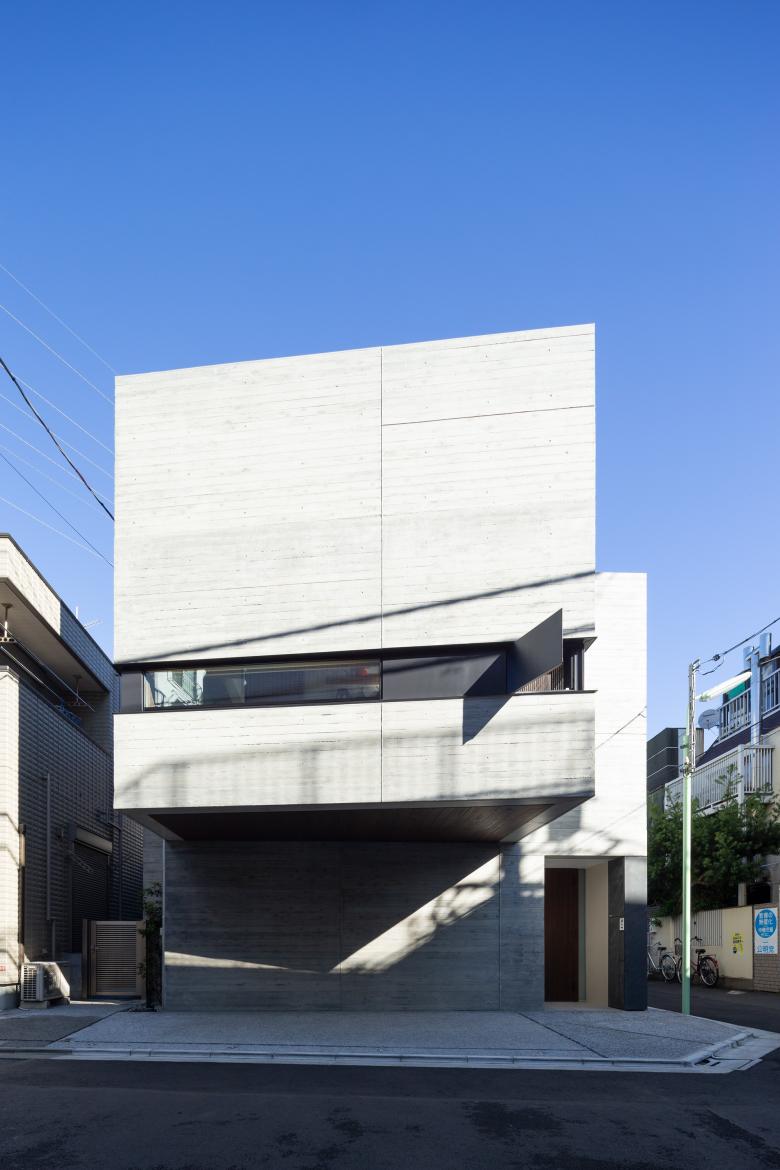
There are two factors that contribute to the perception of "spaciousness. When the distance is so great that one cannot see from one end to the other, as in the case of an airport, it is perceived as a "large room," and when rooms are connected to each other as in the O-oku (inner chambers) of an Edo castle, it is perceived as "many rooms," both of which are perceived as "spacious. If the site were actually large, it would not be difficult for these two to coexist, but on a site with a limited area, the former is designed so that one can see as far as possible from one end of the site to the other, and the latter is designed to give the impression that there will be more rooms beyond the current one by connecting the room you are in with the adjacent one. The latter is to create the illusion of a series of rooms beyond the current room by the way the room is connected to the adjoining room. The two elements coexist to create the perception of spaciousness through the use of "openings" and "materials and colors" to create an illusion of "light" fluctuation.
- Architectes
- Kiyotoshi Mori + Natsuko Kawamura / MDS
- Année
- 2019
- Statut du projet+
- Construit