The Lost Shtetl Jewish Museum
A Village-Like Museum in the Countryside
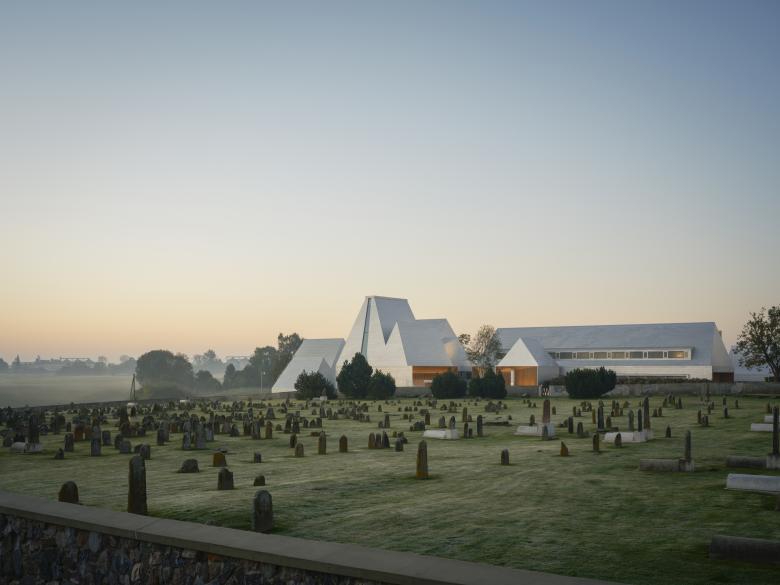
The Lost Shtetl Jewish Museum, which celebrates the rich history of Jewish life in Lithuania, opened to the public on September 20, 2025. The building was designed to be “like a village that is constantly being built,” per Lahdelma & Mahlamäki architects, who answered some questions about the project.
What were the circumstances of receiving this commission?The project was a direct commission. I was delighted to receive a couple of phone calls in April 2016 asking if I was interested in a project like this. The Museum of the History of Polish Jews had been completed a few years earlier, and recommendations to the key individuals of the Lost Shtetl project had come through that channel. Our architecture office has carried out nearly all our key projects—many of them museums—through architectural competitions. I consider a direct commission beneficial in that it allows one to focus calmly on various alternatives, whereas competitions always involve the specific demands of the competition itself, such as time-consuming renderings. In competitions, presentation techniques play too central a role these days. A direct commission offers a direct connection with the client from the very beginning. The exhibition concept for the Lost Shtetl Jewish Museum was already in its preliminary form when the building design began. It was good to be able to establish direct contact with the exhibition designers right from the start.
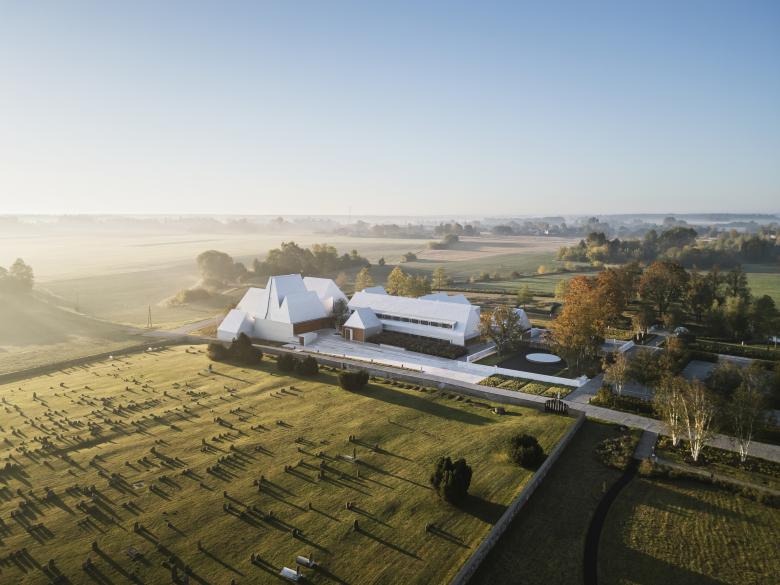
First of all, the location. The museum is located more than a two-hour drive from Vilnius and Riga. It is out of reach of public transportation, situated on the outskirts of a small village in the countryside. I greatly appreciate the decision makers behind the Lost Shtetl for locating this modern historical museum outside of major cities. I believe that the Lost Shtetl will revitalize a wider region in Lithuania.
Secondly, the project’s goals—including the quality standards for architecture, landscape architecture, and exhibitions—were set very high. Credit for this goes to the foundation that funded the project. Without the client’s vision and investment, such quality could not have been achieved. This also explains the long implementation period. The building is a showcase of craftsmanship; the extensive park areas surrounding the museum have been realized with care and in accordance with the principles of sustainable development; and years of research and development work have gone into the content and presentation of the exhibitions.
Third, the Lost Shtetl is a specialized museum whose primary focus is to tell the story of life in the shtetls, events during World War II, the Holocaust, and so on. The museum is the first of its kind in the Baltic states and a significant museum in Lithuania.
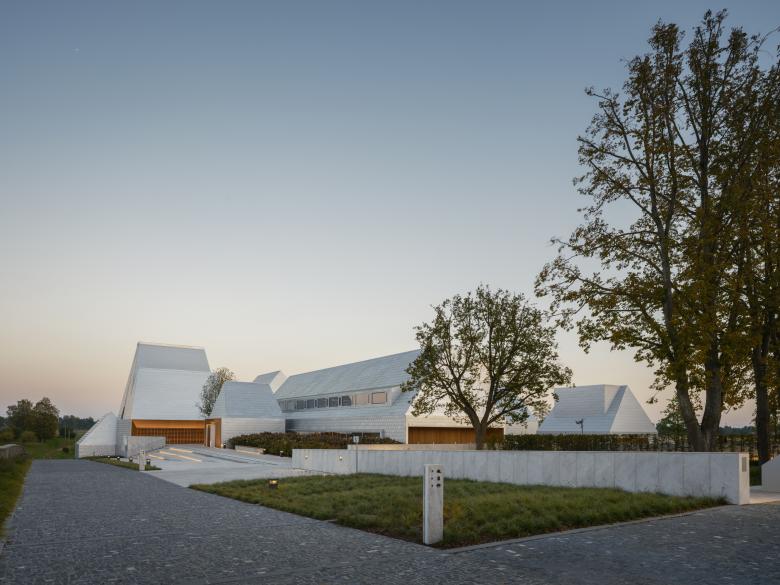
And fourth, the Lost Shtetl is a building with unique, recognizable architecture that blends into the landscape of Lithuania and Šeduva, serving as a new landmark for the area.
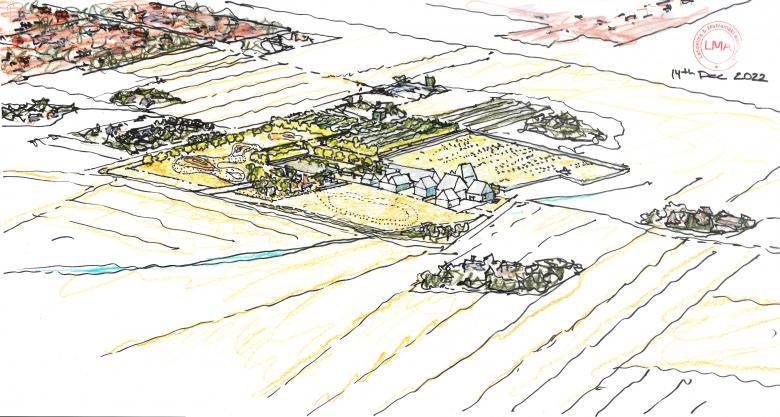
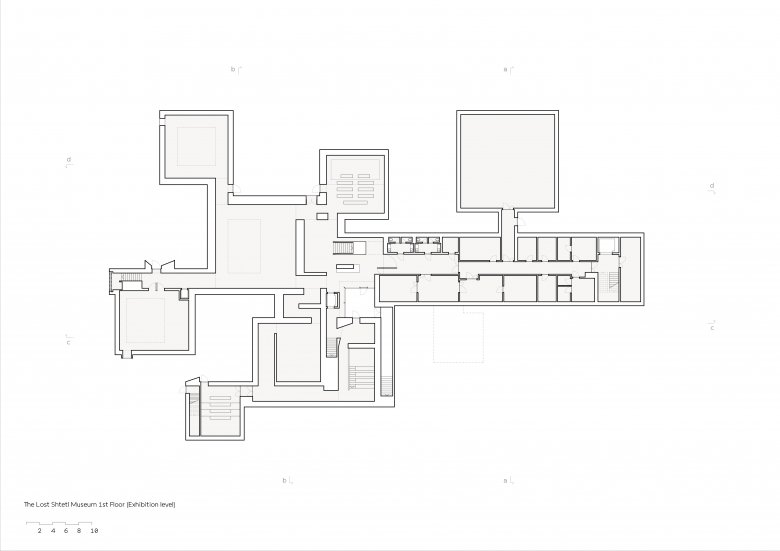
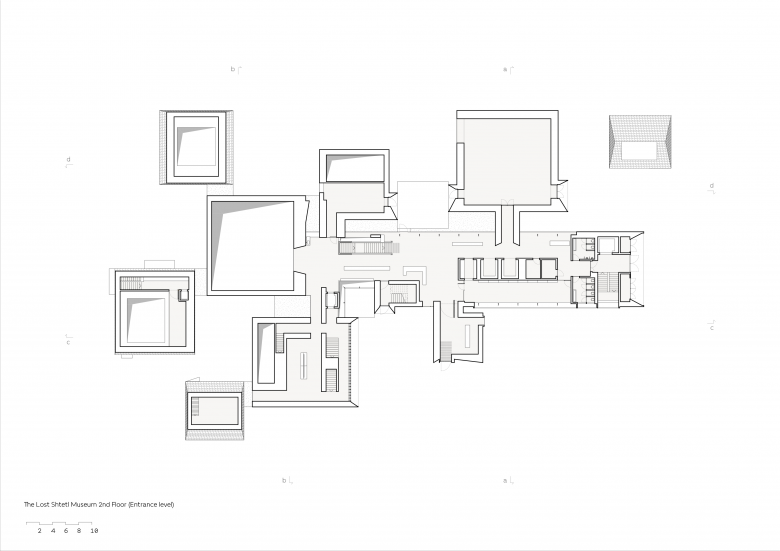
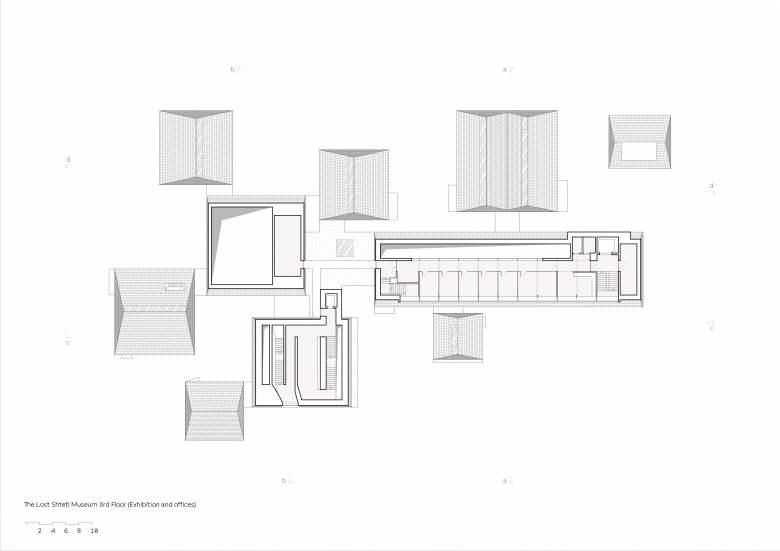
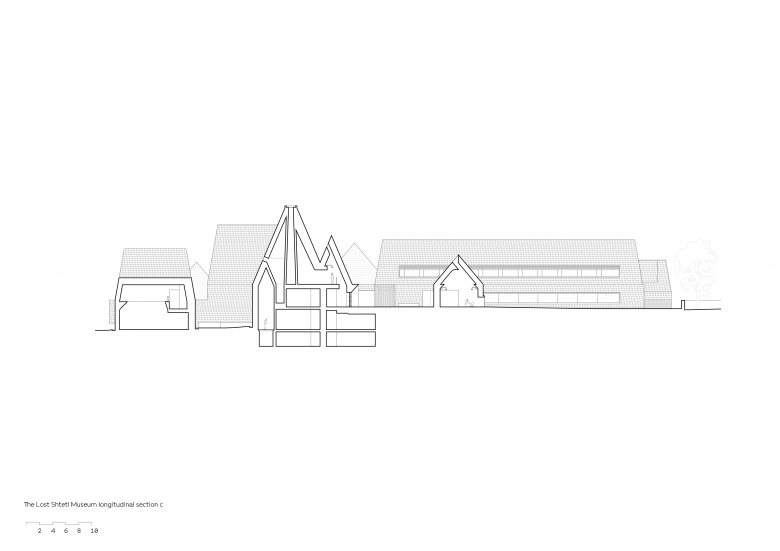
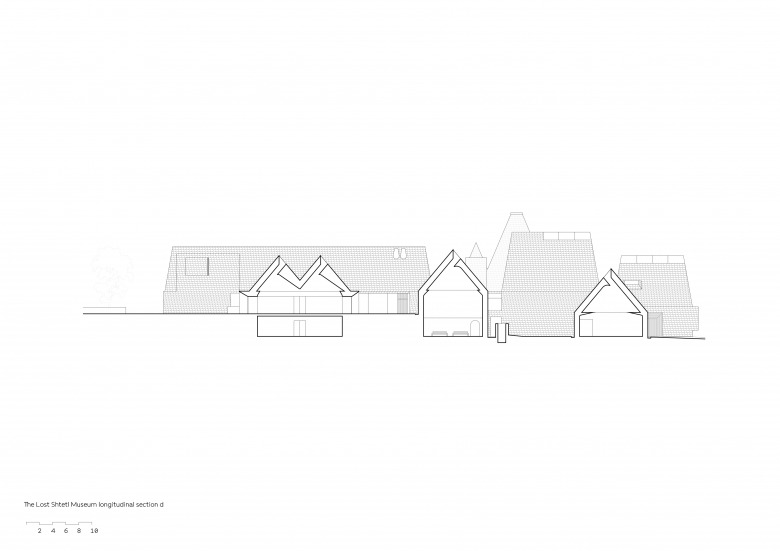
I wouldn’t call it inspiration, but rather a logical, thoughtful approach to the concept. Since the project was named “The Lost Shtetl,” the village-like layout of the houses seemed almost self-evident, a natural starting point. The solution seemed to fit well with the rural landscape of Lithuania and the construction site, supporting the idea of a lost village even on an abstract level. In terms of scale and texture, it felt like a suitable series of exhibition galleries. Furthermore, a practical consideration: just as a village is the result of growth, the Lost Shtetl also offers the possibility of expansions and the addition of individual buildings without compromising the architectural composition. This is often impossible with museum buildings, but the Lost Shtetl is open in its structure and composition— like a village that is constantly being built. Incidentally, it was decided to build one additional gallery in the winter of 2025, around the time the museum was nearing completion, and it fits naturally into the whole.
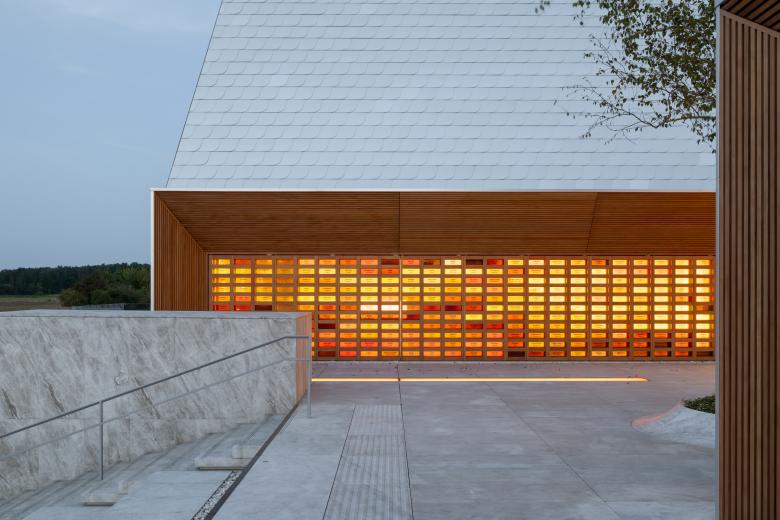
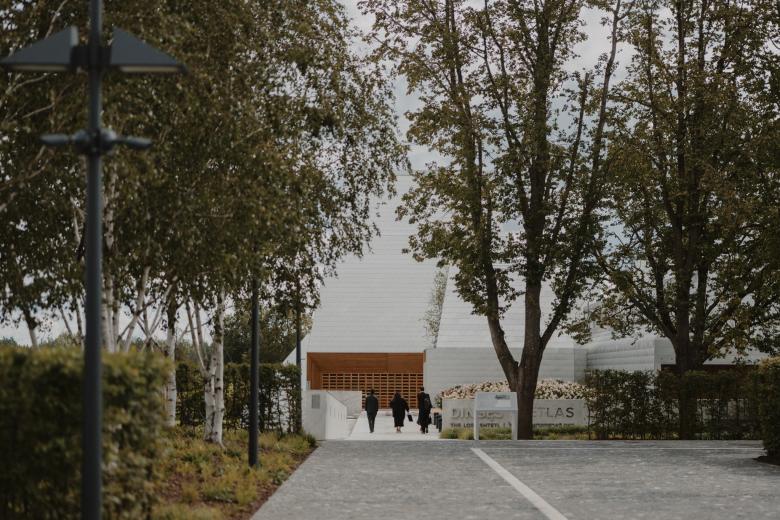
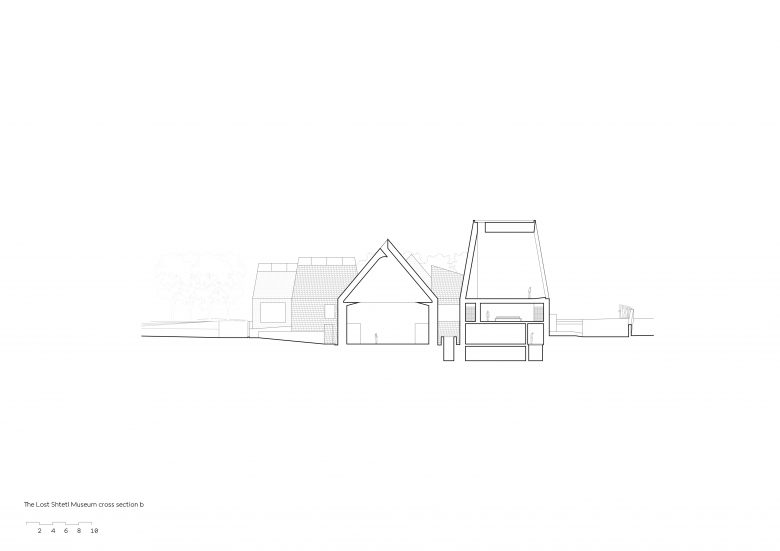
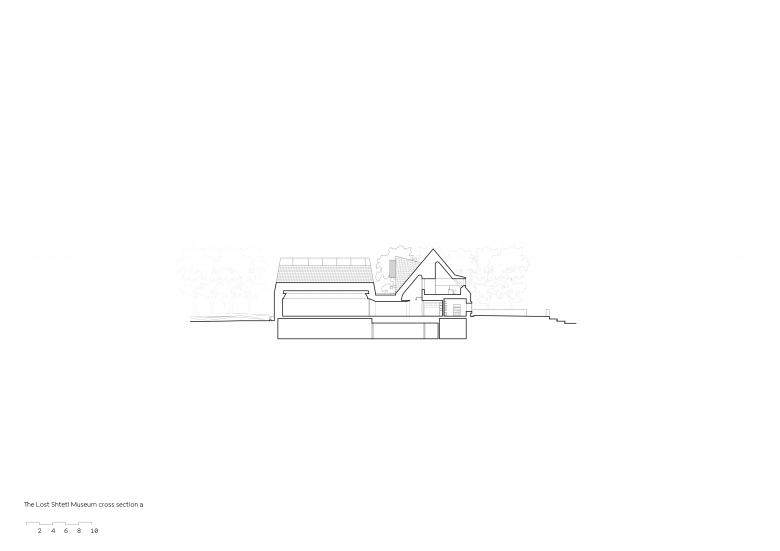
Place is the beginning of everything. Architecture grows—or should grow—from the contexts and starting points defined by place. The Lost Shtetl is not a traditional “amazing” monument. It certainly stands out from its surroundings as a public building, an abstract representation of a lost village, but at the same time it also echoes the scale of the vast landscape and its buildings. In short, the museum has been adapted to its site on the site’s own terms and is framed by a park area, just as farmhouses in the Lithuanian countryside are surrounded by trees. The slope of the site allowed the main entrance and lobby services to be naturally placed at ground level, with the exhibition spaces—which also feature windows—located below. Based on our previous experience, this solution works well.
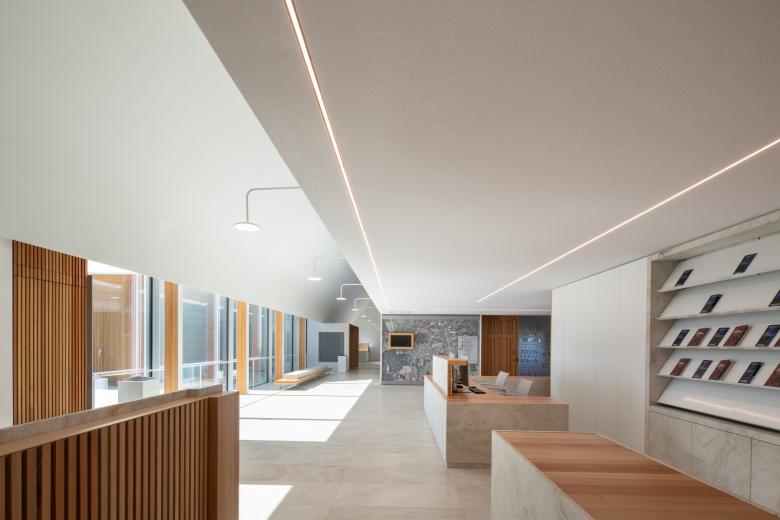
Collaboration between users, funders, and all parties involved was productive and smooth. Because the project was very international—with lead implementers and organizations from eight different countries—a great deal of collaboration was required. But at the same time, we—the lead architect and executive architect—were trusted and given the freedom to carry the project to completion guided by our architectural vision. For us Finnish architects, close collaboration with users and clients is a given. All parties must be satisfied with the final result, which is why collaboration is essential throughout the entire design process. Of course, we architects have the responsibility and the right to bring fundamental knowledge and expertise to the project—in this case, the design of a museum building.
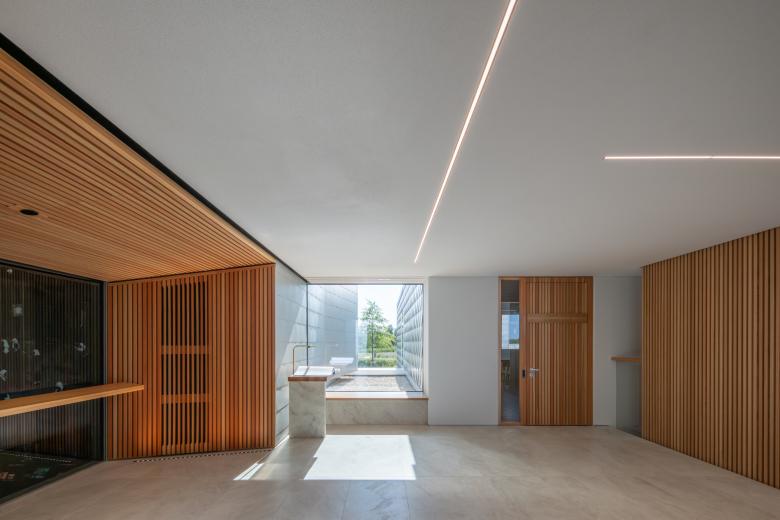
As far as the architecture was concerned, the design was actually complete as early as 2017. However, the building’s program, floor plan options, and structural and building services solutions were studied and revised throughout the entire project, including during construction. This was demanding not only for us, but also for the organizations responsible for construction management, supervision, and the actual building work. The design was adapted flexibly to changing needs. For example, there was no fixed space allocation plan; instead, the space allocation and the design evolved side by side.
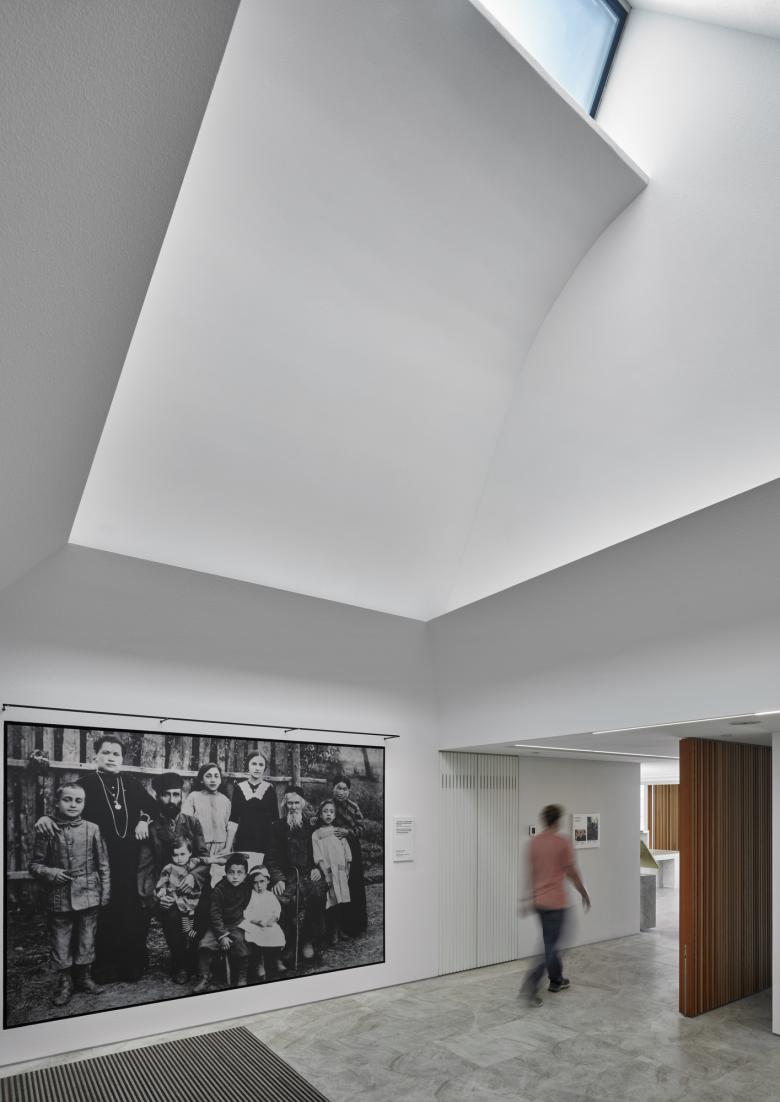
The Lost Shtetl is a museum and exhibition building; we have designed several such projects in the past, including the Maritime Centre Vellamo, the Finnish Forest Museum Lusto, the Finnish Nature Centre Haltia, and the Museum of the History of Polish Jews. Each one is unique, site-specific, and tailored to the spatial program and the client’s needs. Our office does not have a specific recognizable “style,” but rather context-driven designs. The Lost Shtetl is also one of our so-called memorial projects, which naturally include the Museum of the History of Polish Jews as well as several invited competitions such as the UK Holocaust Memorial, the new Montreal Holocaust Museum, and the Documentation Centre for the History of National Socialism.
Email interview conducted by John Hill.
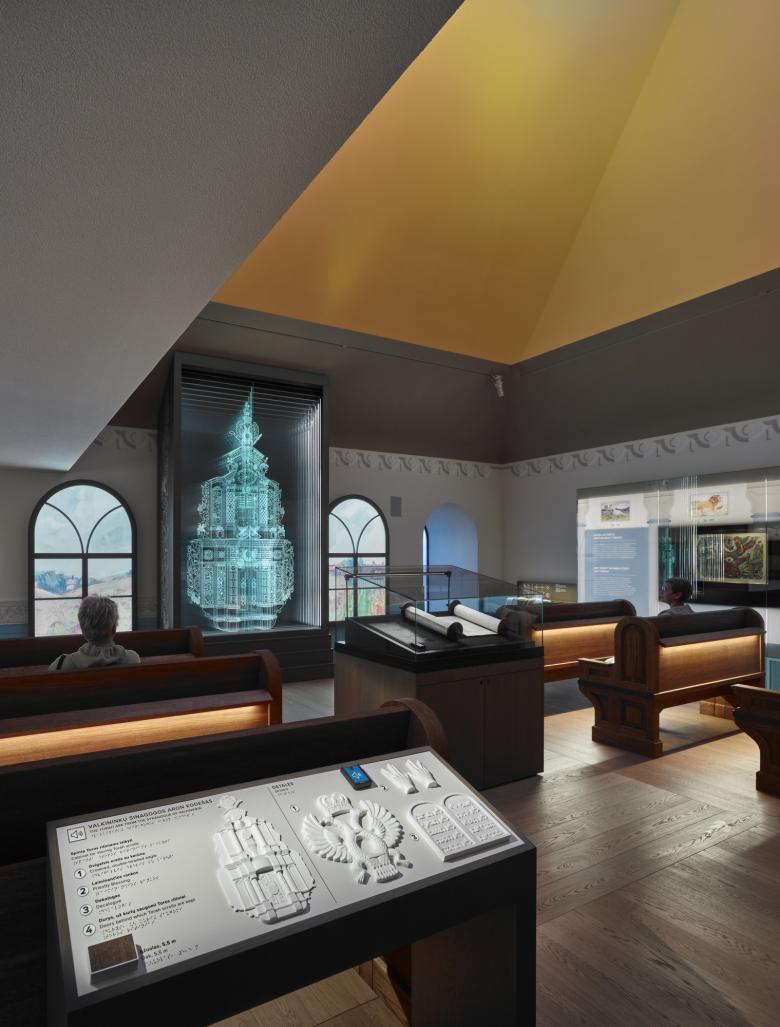
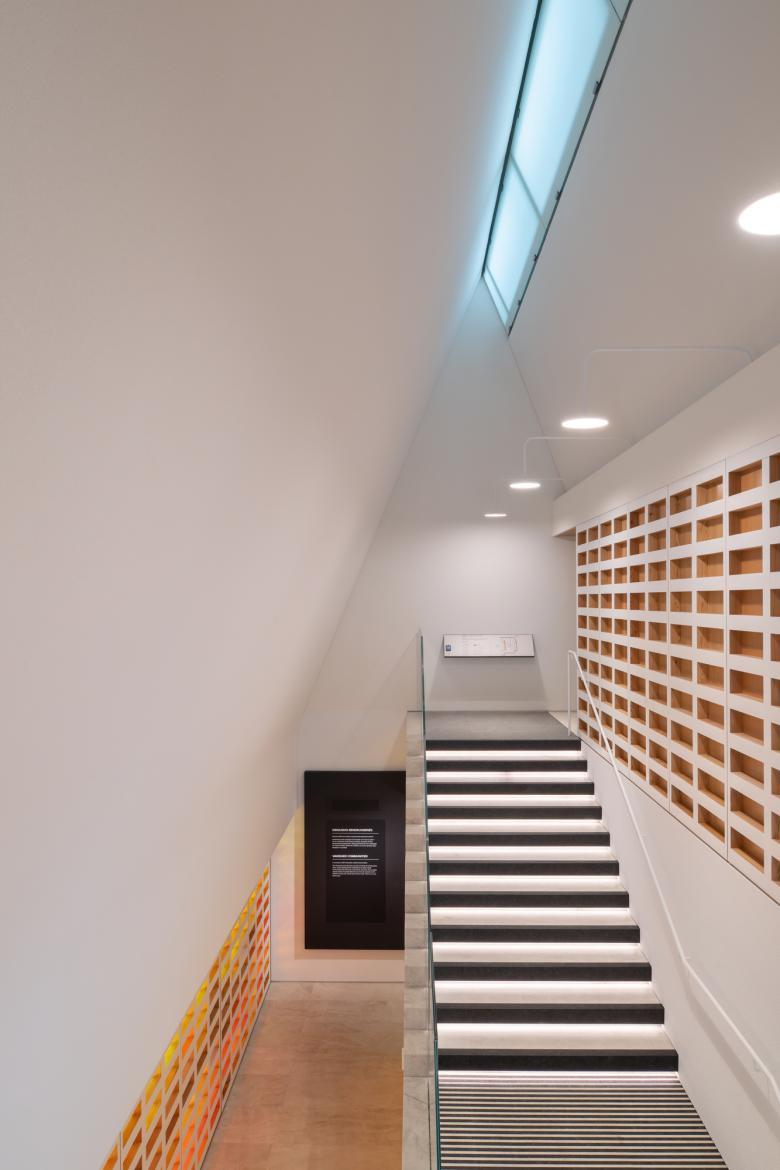
Location: Šeduva, Lithuania
Client: The Lost Shtetl Museum
Architect: Lahdelma & Mahlamäki architects, Helsinki
- Design Principal: Rainer Mahlamäki
- Project Architect: Ilkka Syrjäkari
Exhibition Design: Ralph Appelbaum Associates
Structural Engineer: Ribinis Buvis
Landscape Architect: Enea Landscape Architecture
Construction Manager: Ecas AG
Building Area: 4,900 m2
Articles liés
-
-
-
National Science and Innovation Centre of Lithuania in Kaunas (Entry SI_89088)
FAAB Architektura | 13.01.2017