A Serpentine for the Serpentine Pavilion
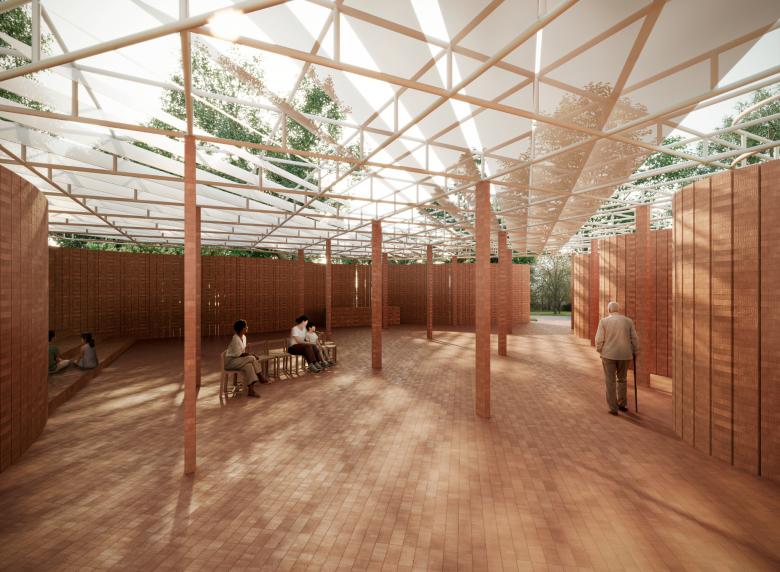
LANZA atelier, the Mexico City studio of Isabel Abascal and Alessandro Arienzo, has been selected to design the 2026 Serpentine Pavilion. Their design, titled a serpentine, appropriately features an undulating brick wall that was inspired by traditional serpentine walls and subtly references the nearby Serpentine lake in London’s Hyde Park from which the institution takes its name.
As anniversaries go, a serpentine is significant, as it marks the 25th Serpentine Pavilion. The temporary architectural installations have sat next to the Serpentine Gallery in Kensington Gardens every summer (outside of 2004 and 2020) since 2000 and Zaha Hadid’s large angular tent. Outside of a focus on architectural experimentation and using the pavilions to host a myriad of cultural events, consistent across the series has been awarding the designs to architects who have not previously realized a building in the UK.
The pavilion’s early years were marked by big names (Daniel Libeskind, Toyo Ito, Oscar Niemeyer, Rem Koolhaas, Frank Gehry, Jean Nouvel, Peter Zumthor, Bjarke Ingels, etc.), while recent years have seen a number of the commissions going to lesser-known architects from nearly every corner of the globe, including Smiljan Radíc from Chile, Francis Kéré from Burkina Faso, Lina Ghotmeh from Lebanon, and, just last year, Marina Tabassum from Bangladesh. LANZA atelier is the second architect from Mexico, following Frida Escobedo in 2018.
Founded in Mexico City in 2015 by Isabel Abascal and Alessandro Arienzo, LANZA atelier is described by Serpentine as a “collaborative practice [that] is rooted in the everyday and the informal, attentive to how technology, craft, and spatial intelligence emerge in unexpected conditions.” Following from the idea of “the figure of the serpent as a generative and protective force,” in the architects’ own words, their appreciation of vernacular crafts led them to “England’s winding fruit walls, which are structures that temper climate, create shelter, and enable growth.”
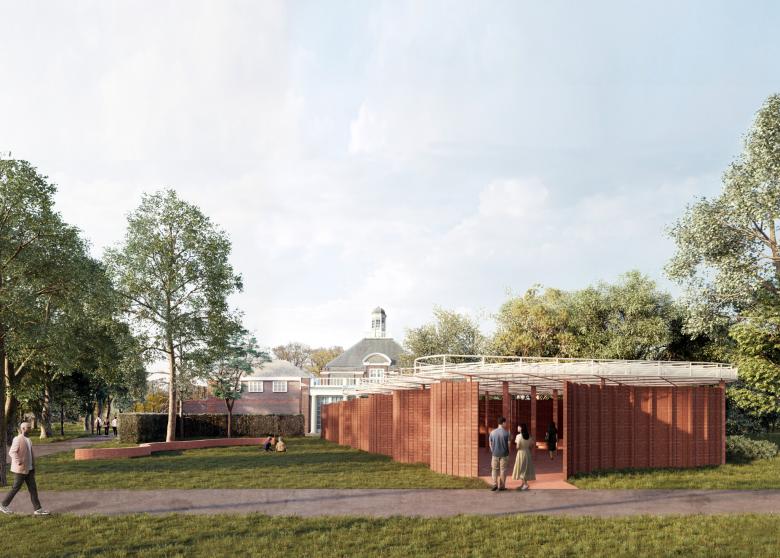
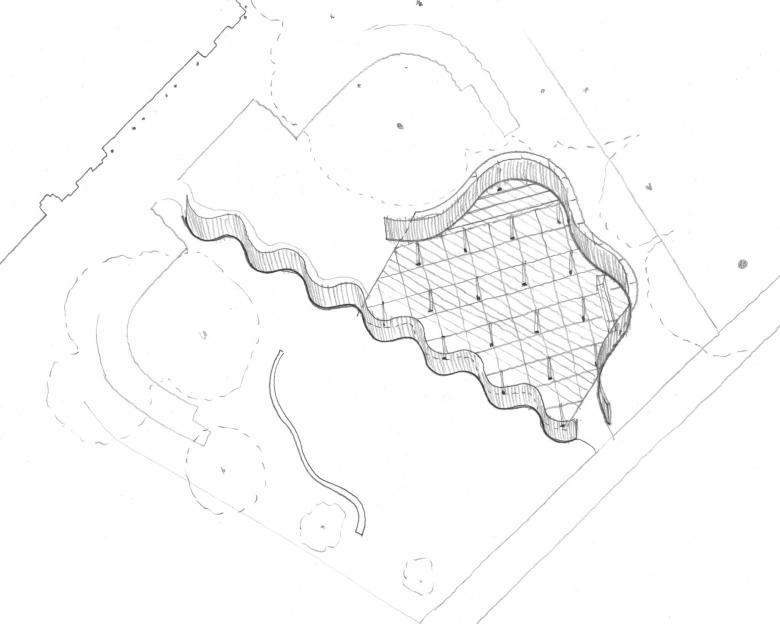
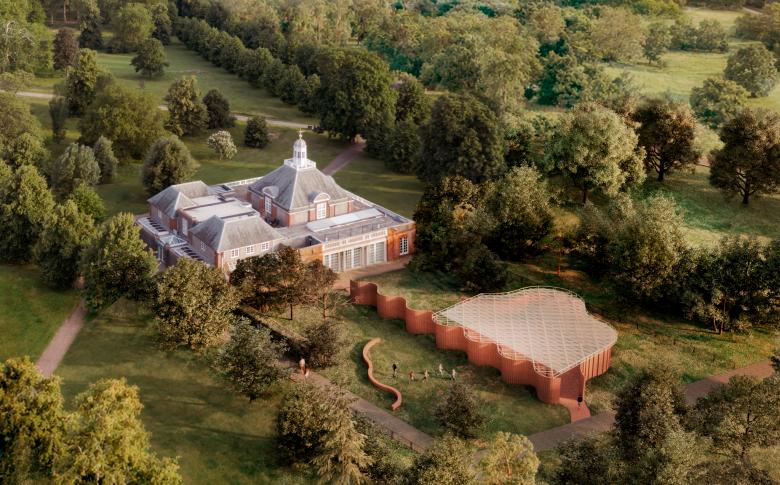
Following from this vernacular reference, LANZA atelier's pavilion appropriately will feature serpentine walls built of simple clay brick, a technique that provides stability through lateral support and uses fewer bricks than orthogonal brick walls. As can be seen in the sketch and renderings here, a curving wall defines three sides of the space beneath a translucent roof, while the wavy brick wall to the south extends beyond the space toward Serpentine South, the 1934 building designed by J. Grey West.
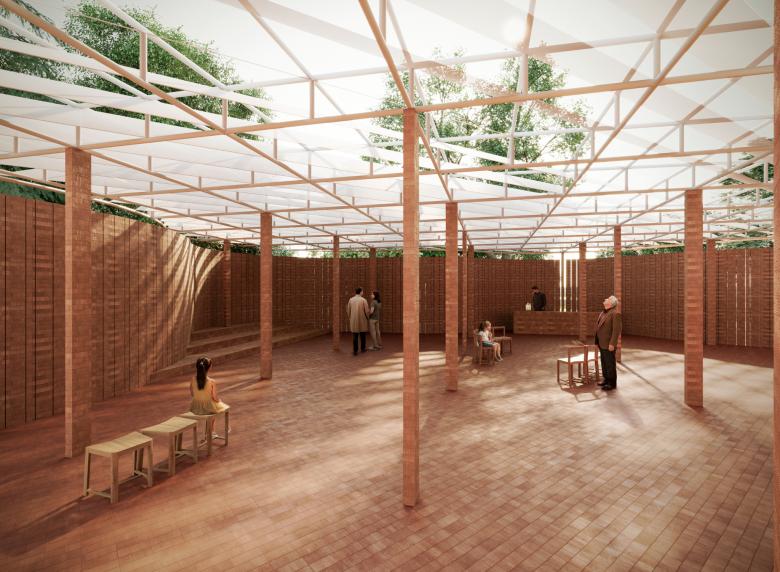
LANZA atelier's a serpentine will be on display from June 6 – October 25, 2026. A portion of this year's programming will commemorate the legacy of Zaha Hadid as architect of the inaugural pavilion and mark the 25th Serpentine Pavilion.