TI HOUSE
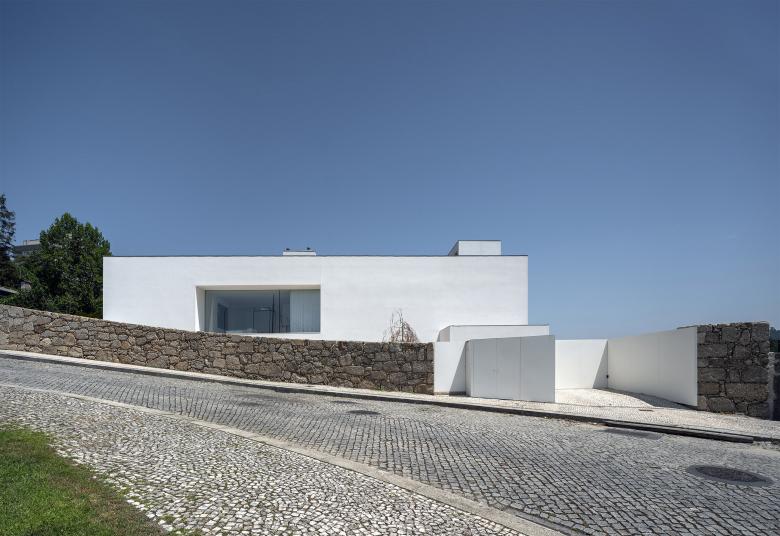
TI House has a 20-year history of abandonment.
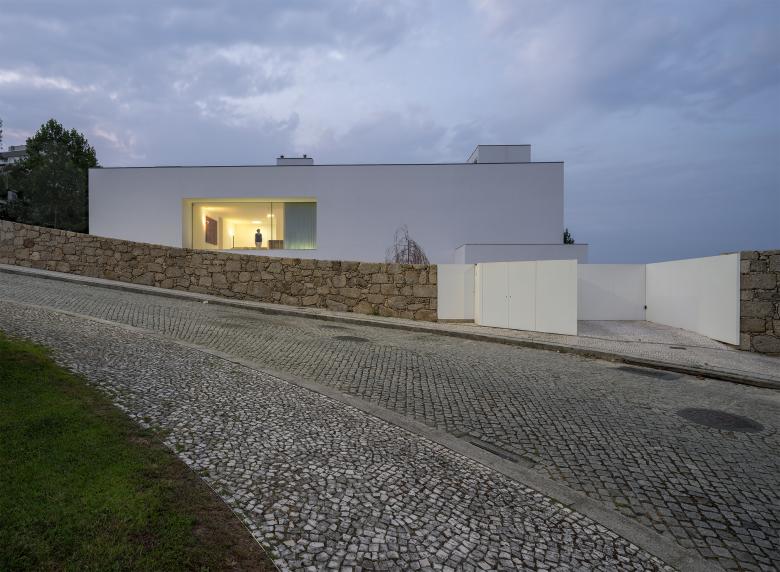
The house is located in the center of Santo Tirso. We found a contemporary two-story house, abandoned very close to its completion. It was a very solid concrete construction, with excellent infrastructure, but showing many signs of erosion and vandalism.
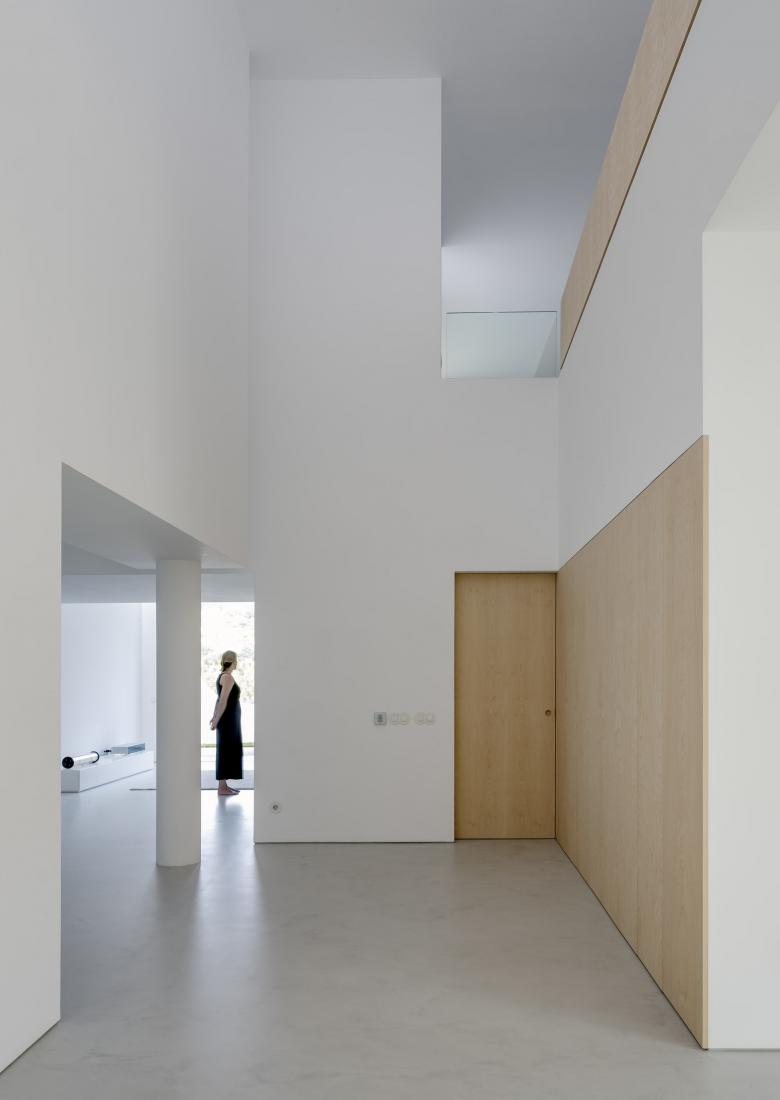
The design of the façades, as well as the interior space, was somewhat anarchic. However, the size of the house, its height, and its spatial qualities revealed great untapped potential. We knew that with the right cuts, incisions, and infill, we could achieve a remarkable architectural work. The intervention involved a deep reconstructive, plastic, and aesthetic surgery.
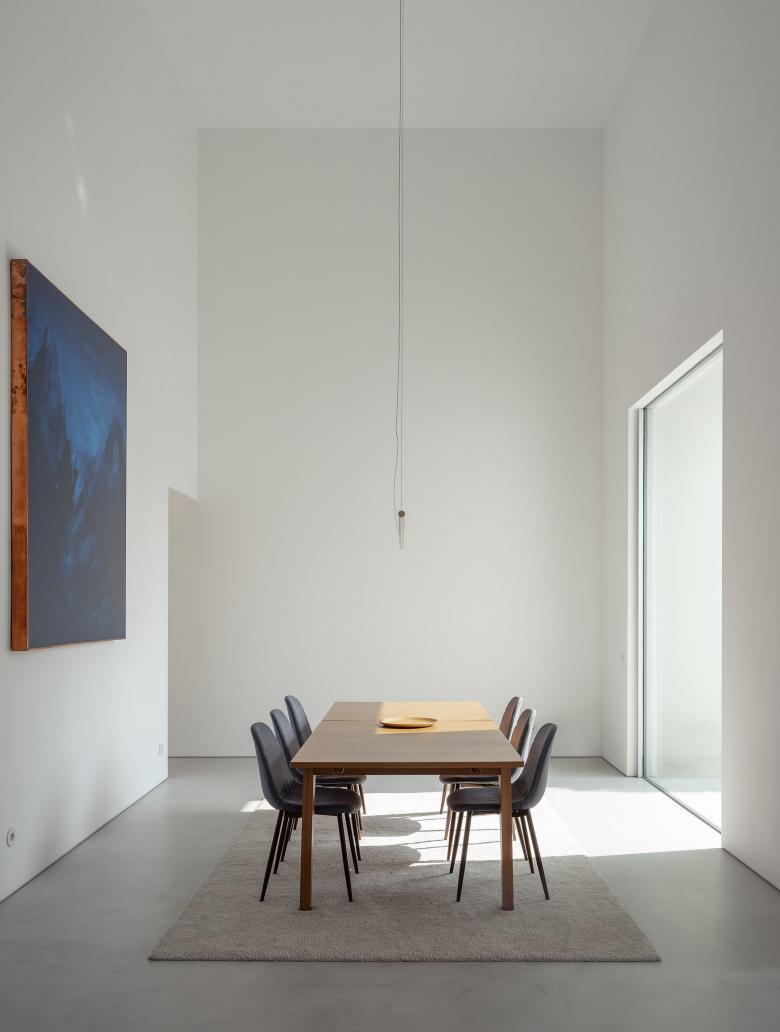
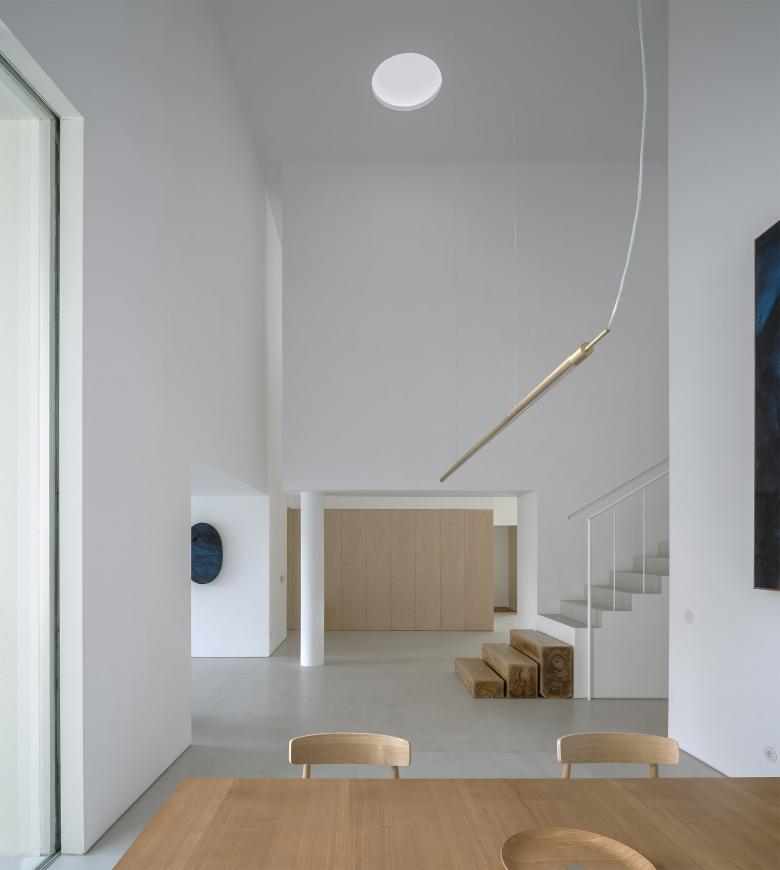
Natural light penetrates the walls. Artificial light was sculpted into the mass of the house, as in the history of architecture, transforming it into a lighting object.
The initial budget was limited for renovating 700 m² of built area. We began with one decision: eliminate all excess.
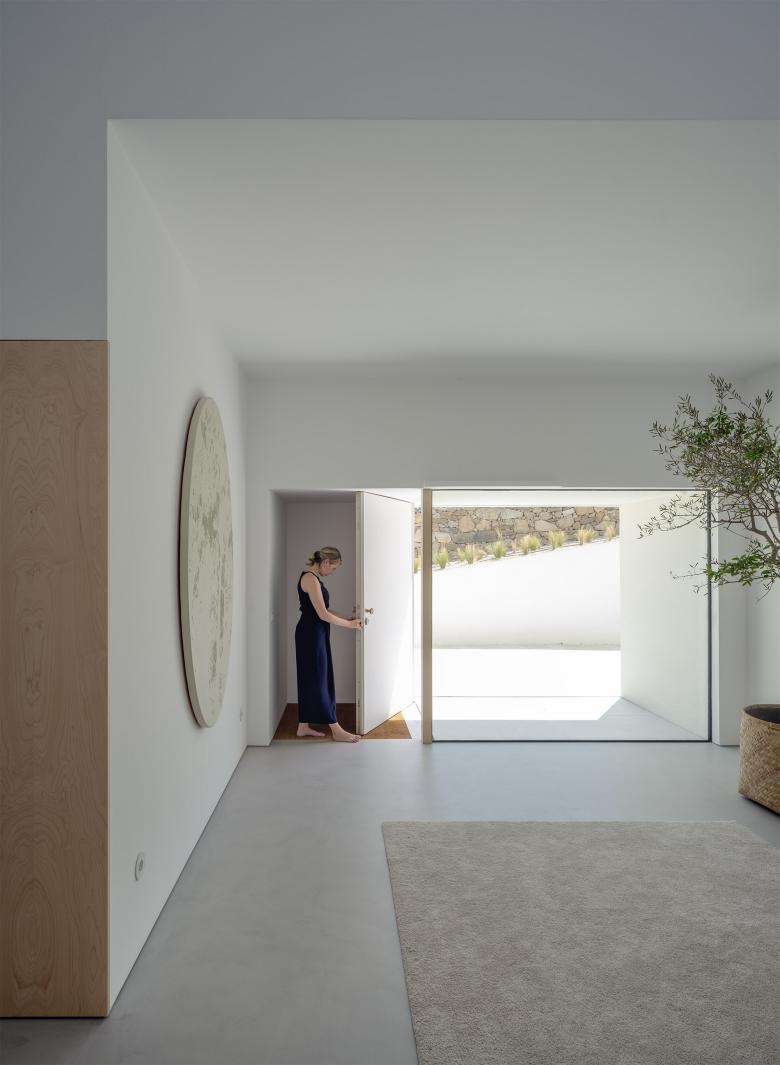
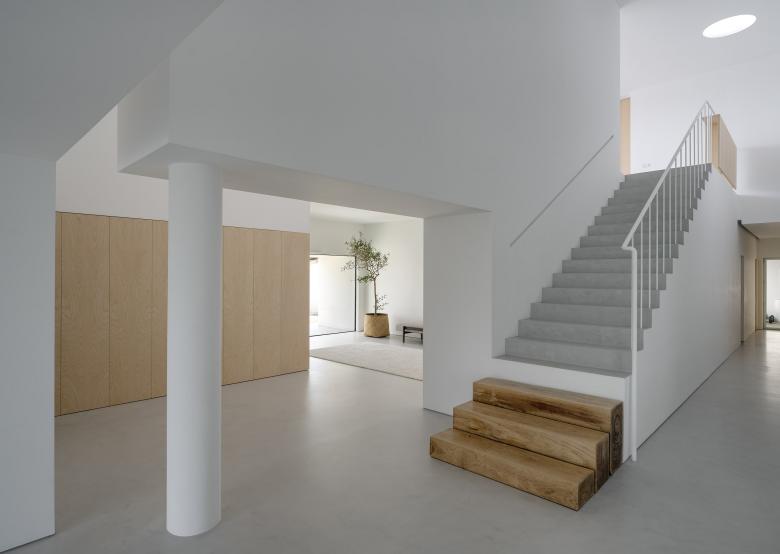
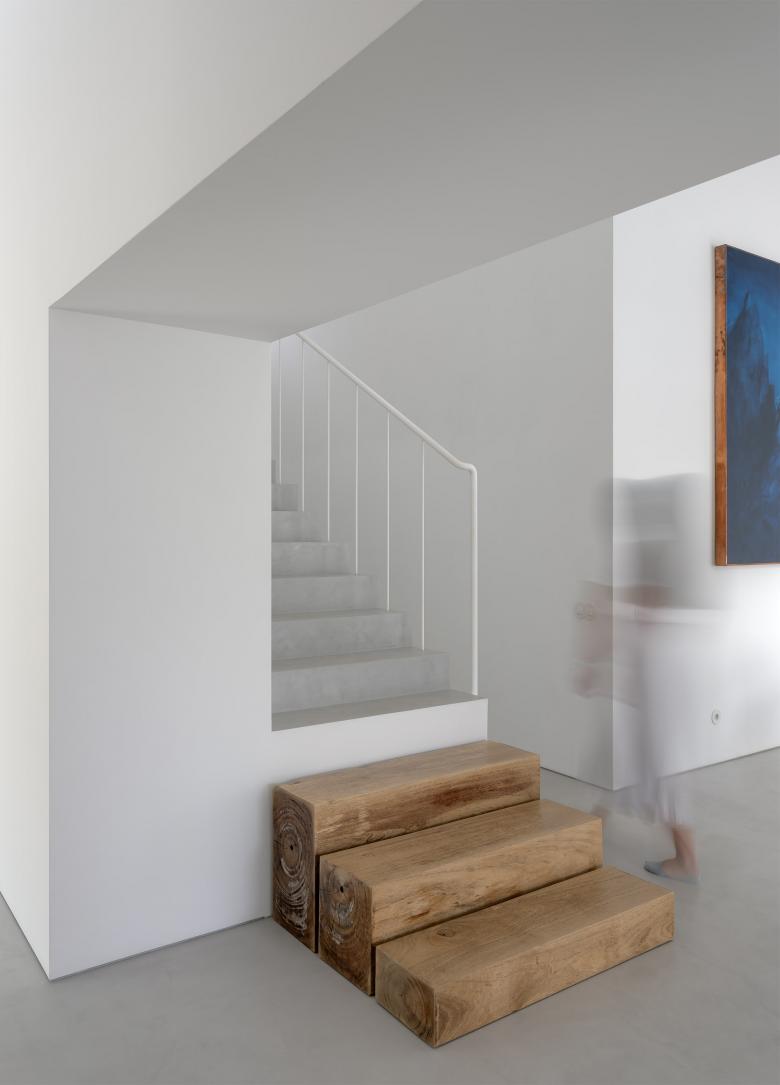
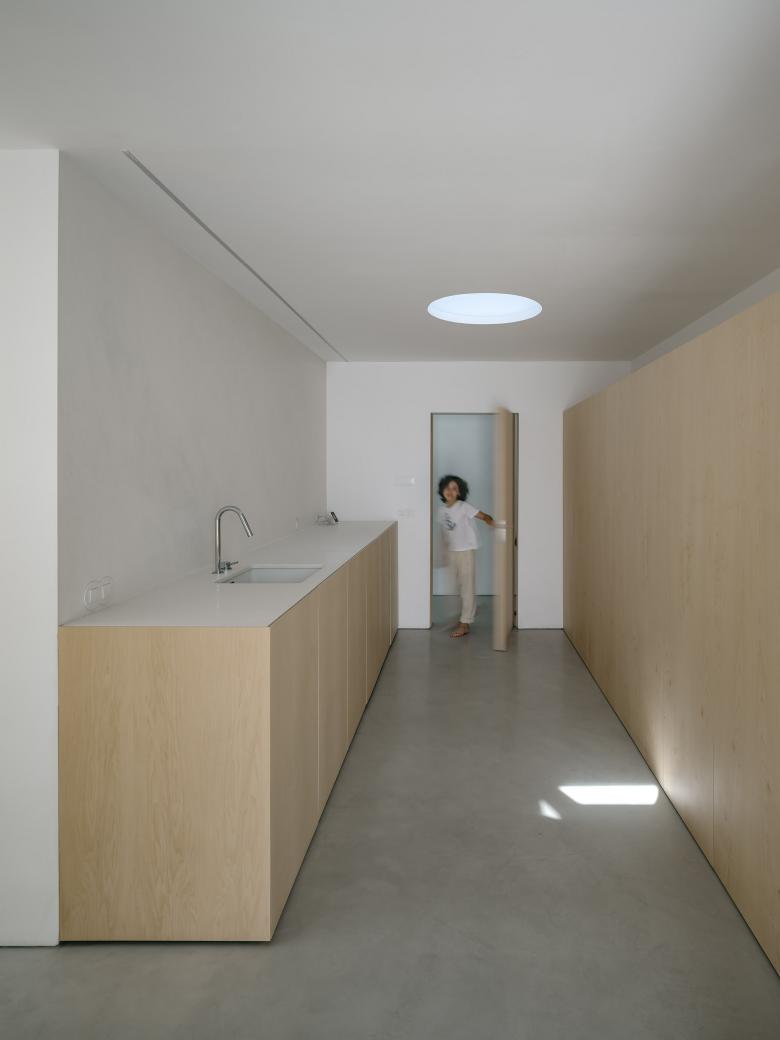
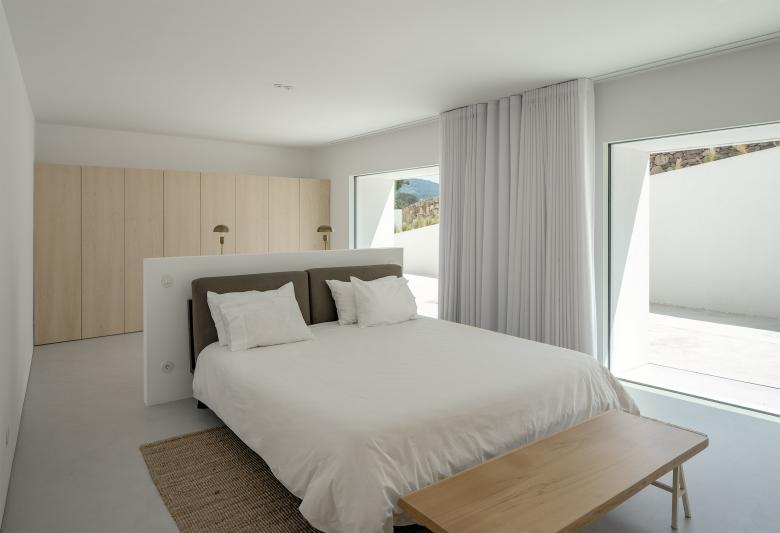
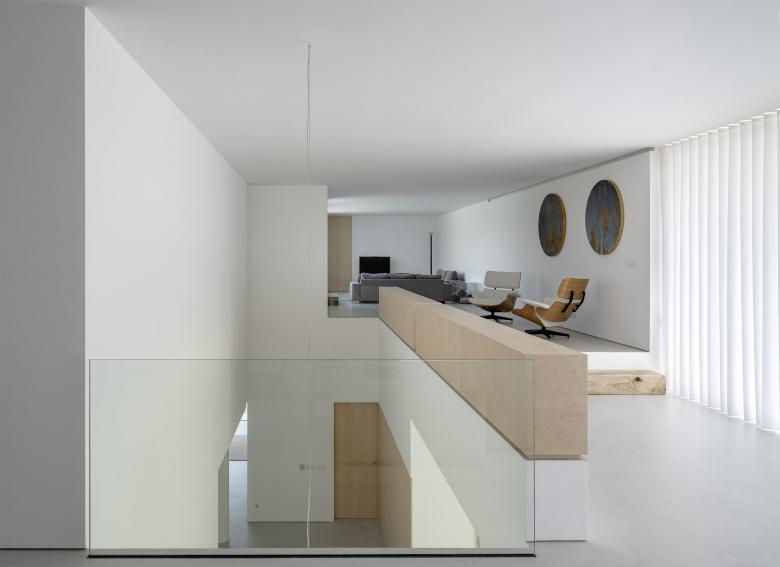
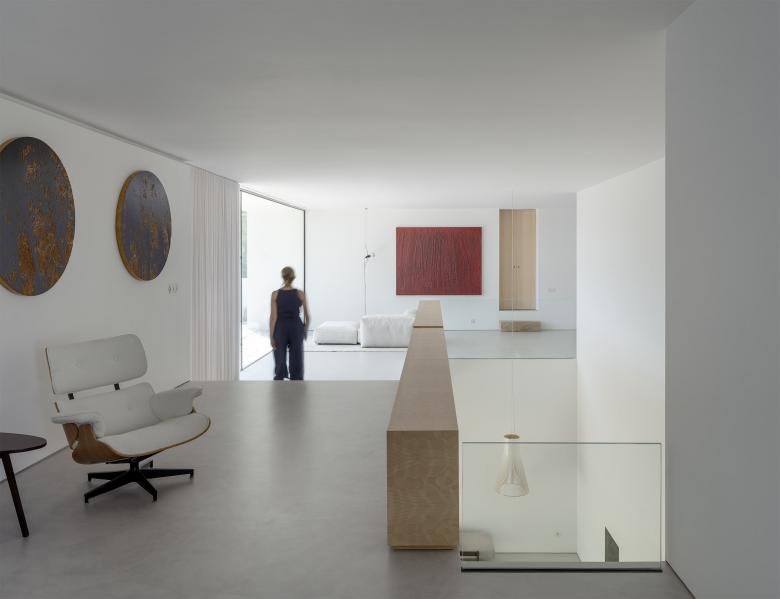
We coated the stone floors with mortar in the natural color of cement. We restored the original wall plaster. We demolished the suspended ceiling structures that artificially altered the space, and the original roof lanterns were rebuilt in a circular form. We enclosed with walls and slabs areas where the social space seemed open and undefined. We demolished walls where spaces felt fragmented and meaningless. We reshaped the staircase so that it aligned with the geometry of the surrounding space.
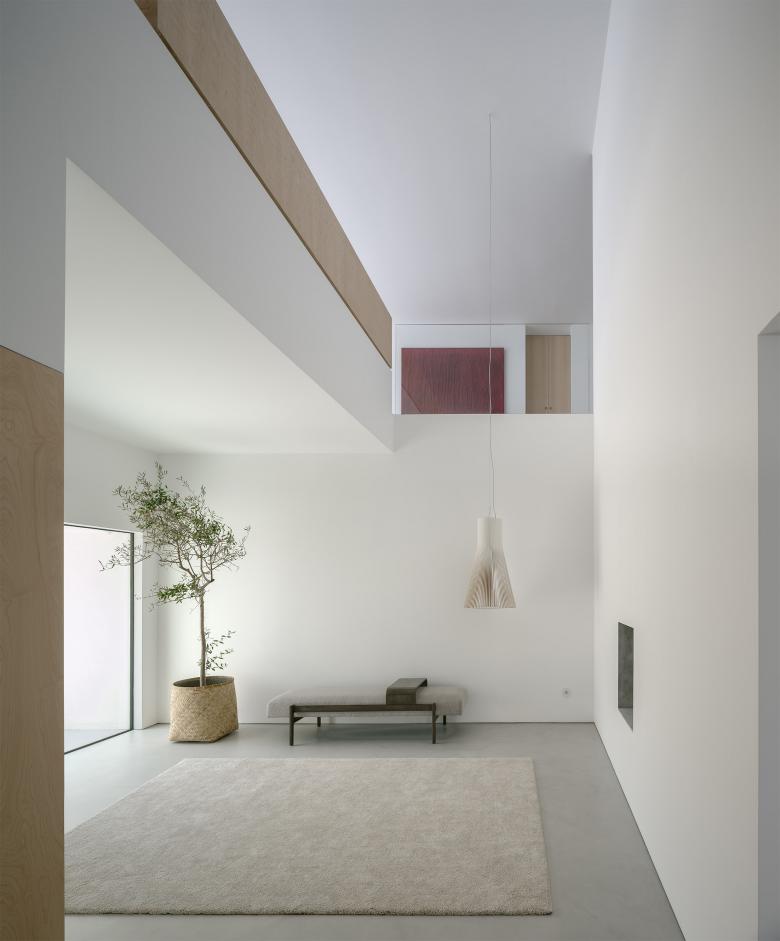
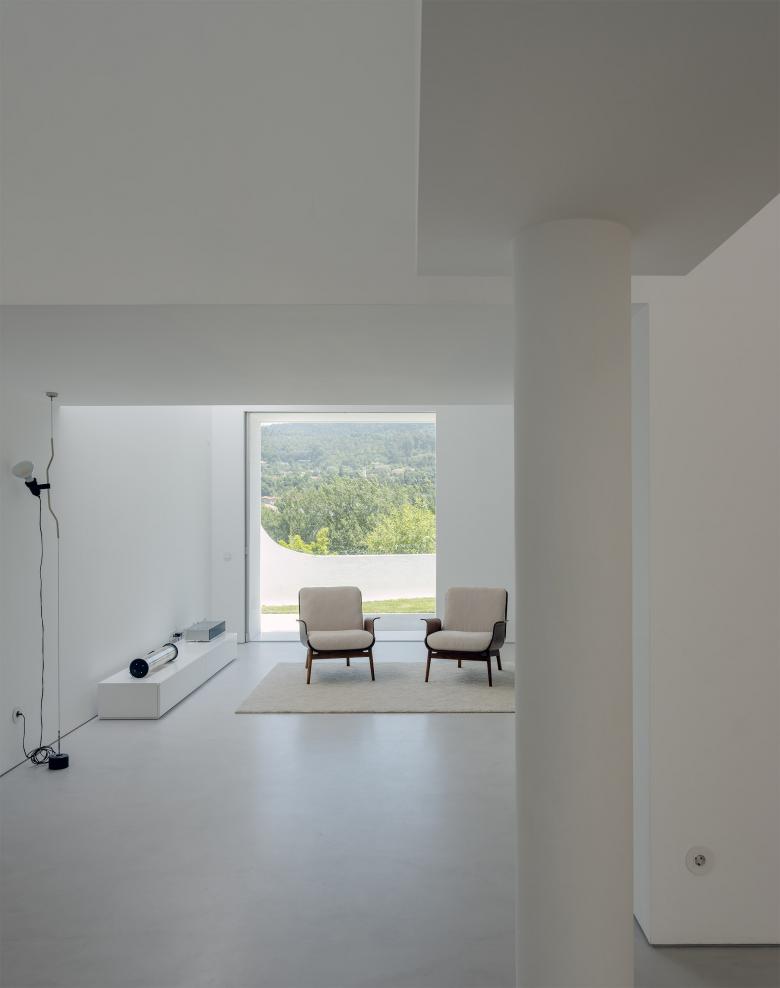
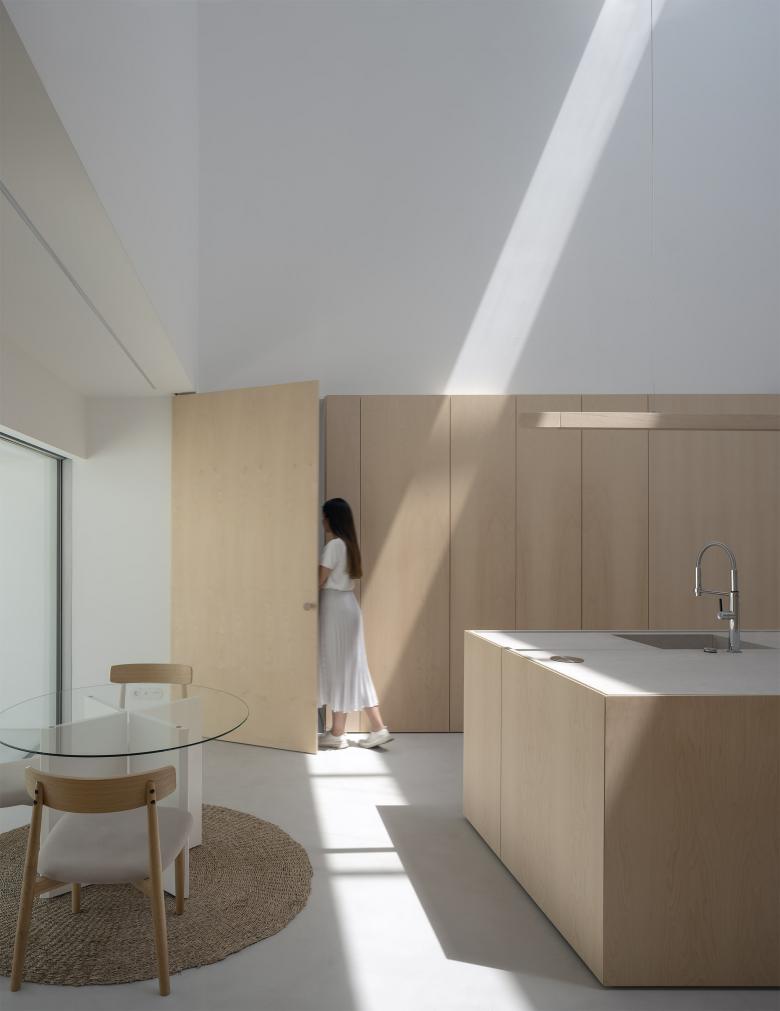
The interior space also seemed uncontrolled, but after the demolitions we achieved an inspiring variability of ceiling heights. The kitchen area, with its double-height ceiling, featured a suspended iron structure; we removed it to leave pure silence.
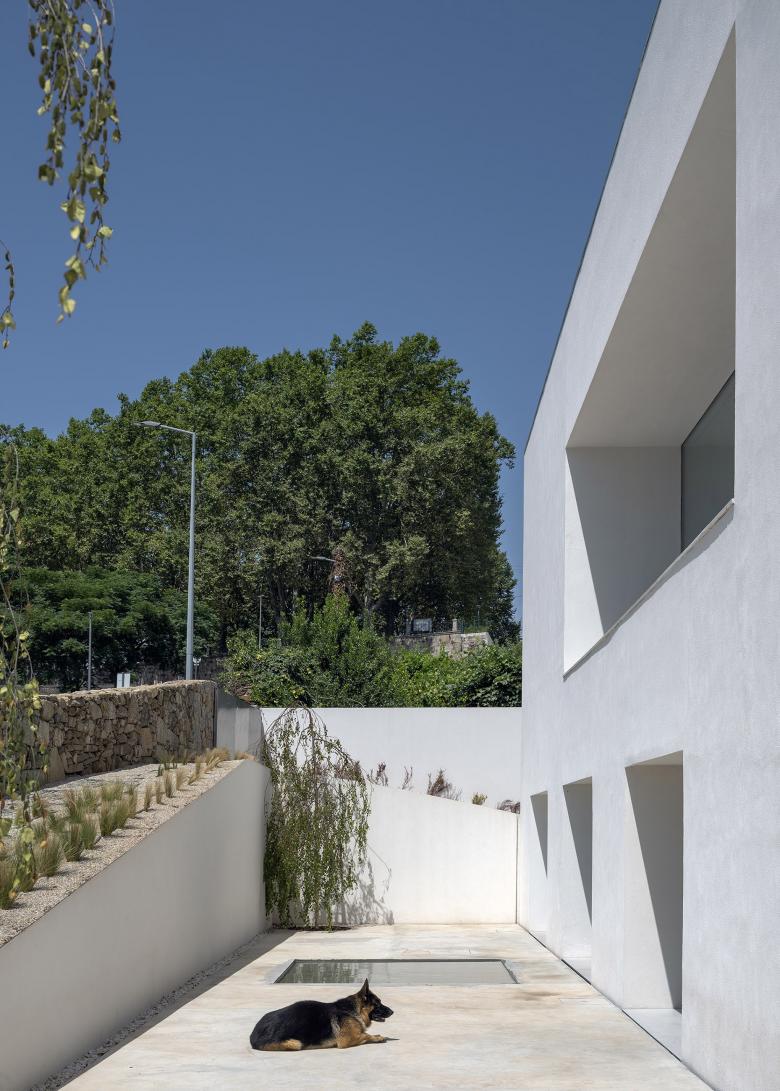
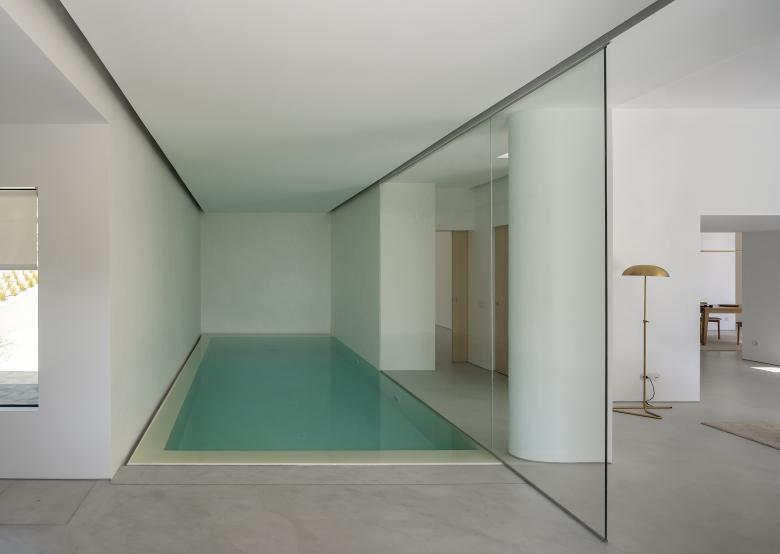
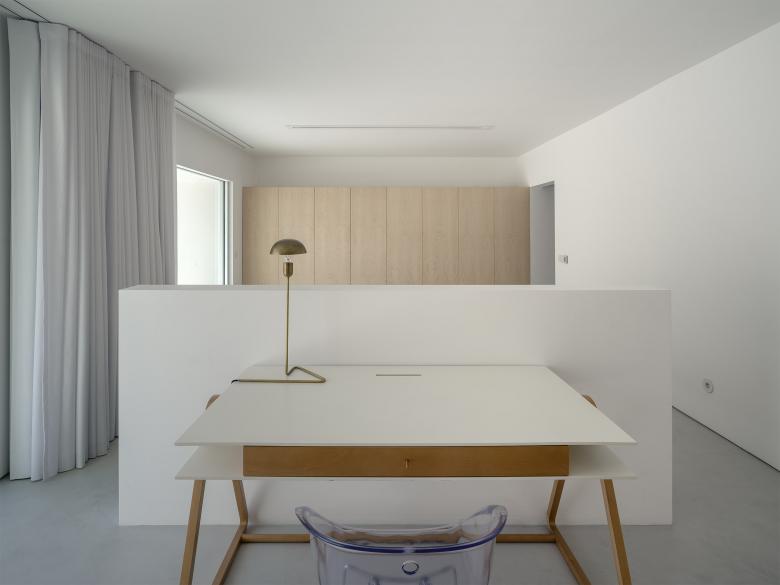
We opened new doors and windows in the walls and closed others. The architecture of the space was conceived as an excavation sculpted into the white mass of walls and ceilings, with enclosed areas defined by exposed wood surfaces. No shine. Natural materials in their true appearance. Regarding the façades, we made a decision: if possible, only one glass opening per elevation.
The concrete house was thermally insulated from the outside to protect it from the climate in a self-sufficient way, avoiding excessive energy consumption. The innovation lies in incorporating cutting-edge electrical (lighting), heating and cooling, and kitchen smoke extraction technologies into the simple and essential form of the architecture. There are no visible installations, yet they exist. There is light, but the source of light is unseen. In other words, comfort is felt, but not apparent. The essence is a clean, sculptural space made of a single material, free of accessories or additional cladding materials. The low-emissivity double glazing of the openings was recessed to create shading and achieve passive architecture.
Everything was carefully integrated and meticulously detailed to appear simple — but it is not.

- Jahr
- 2022
- Projektstatus
- Gebaut
- Team
- Architecture author José Carlos Nunes de Oliveira, Project Managers: Joana Leite Pinto Bitossi (1st Phase), Sara Bitossi (2nd Phase), Collaboration: Giulia Furlotti