Building Novels
Like Father, Like Son: Attempts at Evolution Through Structure
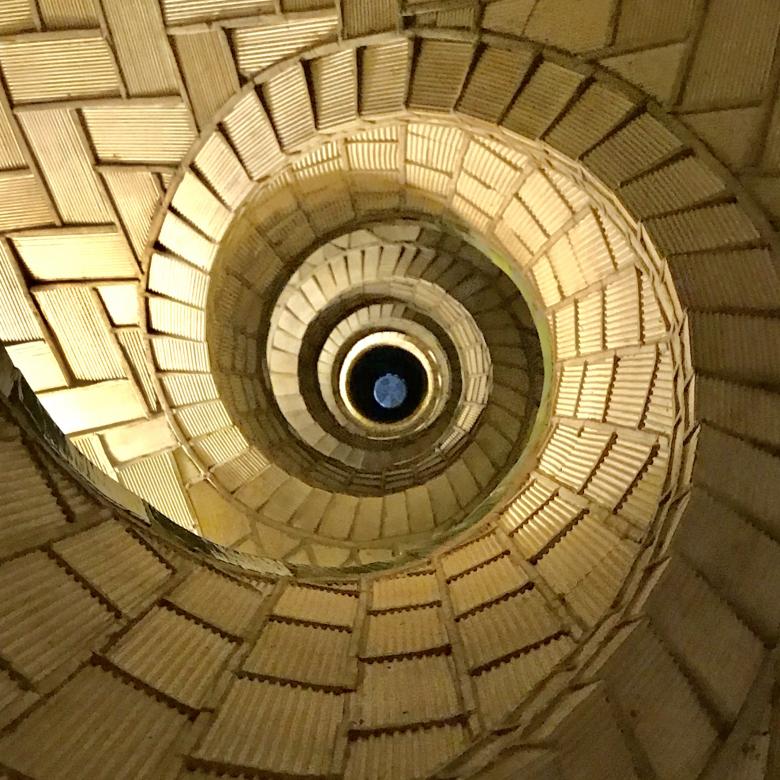
Madeline Beach Carey, in the latest installment of the “Building Novels” series focused on works of fiction with architectural themes, reviews Javier Moro’s The Architect of New York, published in an English translation by Counterpoint Press earlier this year.
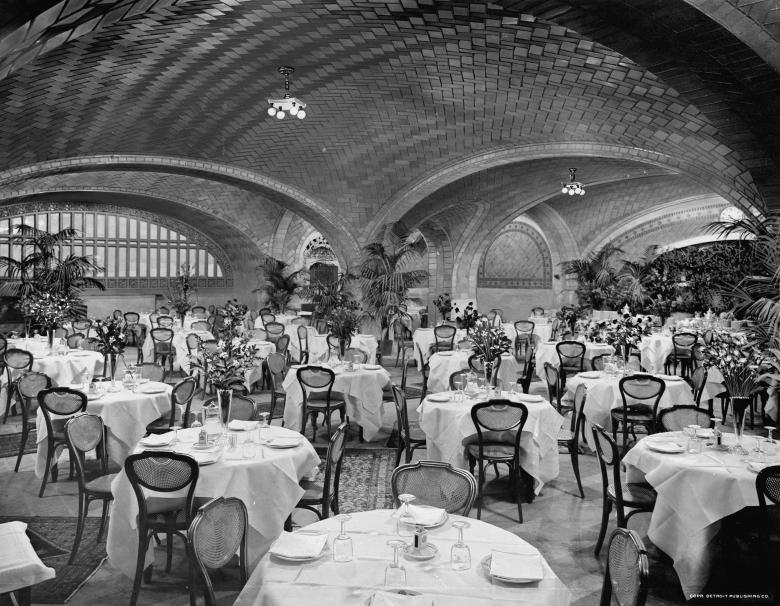
The Architect of New York is a fictionalized account of the life of the Spanish architect Rafael Guastivino, who is best known for designing the Catalan tile vaults of the iconic Oyster Bar & Restaurant inside New York’s Grand Central Terminal. Long appreciated in New York, where he patented the vaults and contributed them to numerous buildings, it is just over the last fifteen years that his legacy has been retraced and celebrated in Valencia and Barcelona, where he first made his architectural career. This novel is told through his son’s eyes and takes the reader through New York’s Gilded Age.
Rafael Guastavino was born in Valencia in 1842, son of Rafael Guastavino Buch, a carpenter and cabinetmaker from Barcelona who worked in Valencia, and Pasquala Moreno Esbrí, originally from Torreblanca, Castellón. His paternal grandfather, Carlo Davide Giuseppe Guastavino Agnati, was born in Italy and emigrated to Barcelona at the age of 18, where he married a Catalan woman and became a piano builder. Thus, his biography is an intriguing one of immigration, emigration, and exile, of incredible highs and lows.
His paternal side took him to Barcelona, yet his maternal family was always linked to construction and, more specifically, to traditional Valencian structures: the small houses with tiled vaults, small buildings with walls whitewashed but not the vaults, leaving the tiles exposed. Valencia is ever present in his work: at the Chicago World's Fair, but also in the construction of the Cathedral of St. John the Divine in New York. His legacy is one of modernity and tradition, of provincial charm and the soaring grandeur of metropoles. It is a story that should make for an intriguing read.
His life story—and the premise of the novel, a son telling the reader the story of his father—are both promising. The immigrant story, New York at the turn of the century, the battles between father and son, migration over generations, all of this is the stuff of great literature. While I was reading, I recalled Colm McCann’s marvelous novel This Side of Brightness, about the building of the New York subway system and hoped for something similar—heightened emotion, carefully described details about the rituals of construction, and moments of great beauty. The trouble is Javier Moro is a fantastic chronicler of history, a biographer more than a novelist. There is little magic in the literary sense here.
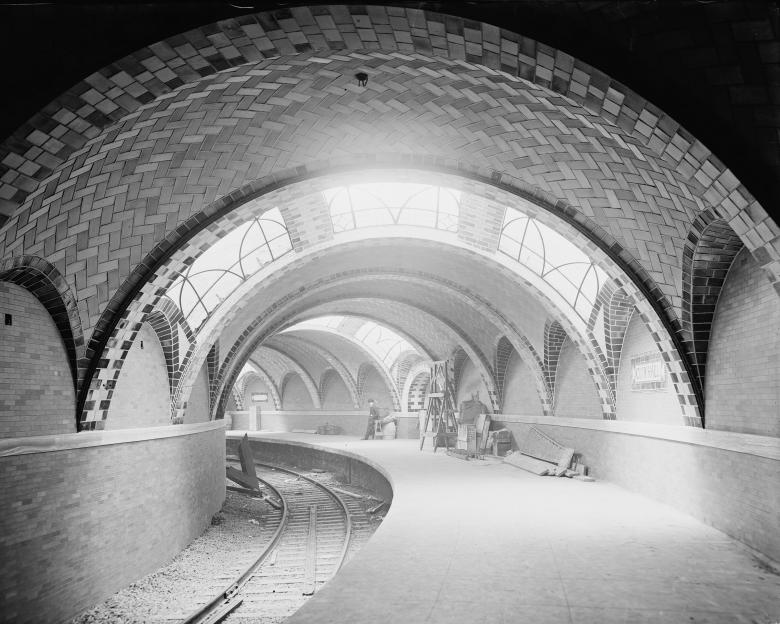
It is a shame because Rafael the father does seem to have been quite the character. Riddled with debt, he had terrible business sense and was constantly working himself to exhaustion:
He invented a fireproof vault but then let the patent expire. He was an incorrigible womanizer but showed tenderness toward his children. His buildings, his structures, however, were precise, nearly perfect. It was his son who had to deal with the messiness of the father’s personal affairs:
The heart of the book is the struggle between two architects, father and son, and their failed attempts to escape their pasts, to outrun destiny. Their relationship was muddied by their love lives and their shared lies:
It’s clear that Javier Moro did extensive research from real letters. However, the amount of technical detail and sometimes stodgy exposition slow the story down. I wanted very much to delve into the emotional lives of the characters, to feel and see the place, to experience the pulse of New York at the turn of the century, but the novel feels more like a field report for a documentary than a fully rendered project. I would in fact love to see all this research come alive on film or perhaps in an interactive exhibition. Instead, here we have a book about buildings, full of details, but something—voice, character, the methods of craft— is missing. So while Moro proves an excellent researcher and documentarian, he has failed to make the Guastavino story into a successful novel.
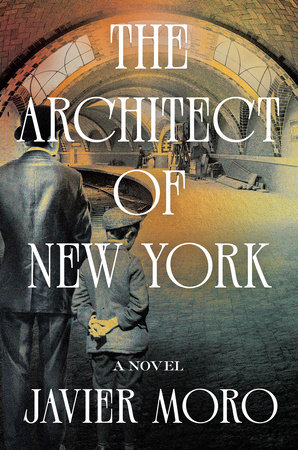
The Architect of New York: A Novel
Javier Moro
Translated by Peter J. Hearn
6 x 9 in.
352 Pàgines
Hardcover
ISBN 9781640097469
Counterpoint Press
Data de compra: