All photographs by John Hill/World-Architects, unless noted otherwise
Looking at Some 'PORCH' Windows
John Hill
All photographs by John Hill/World-Architects, unless noted otherwise
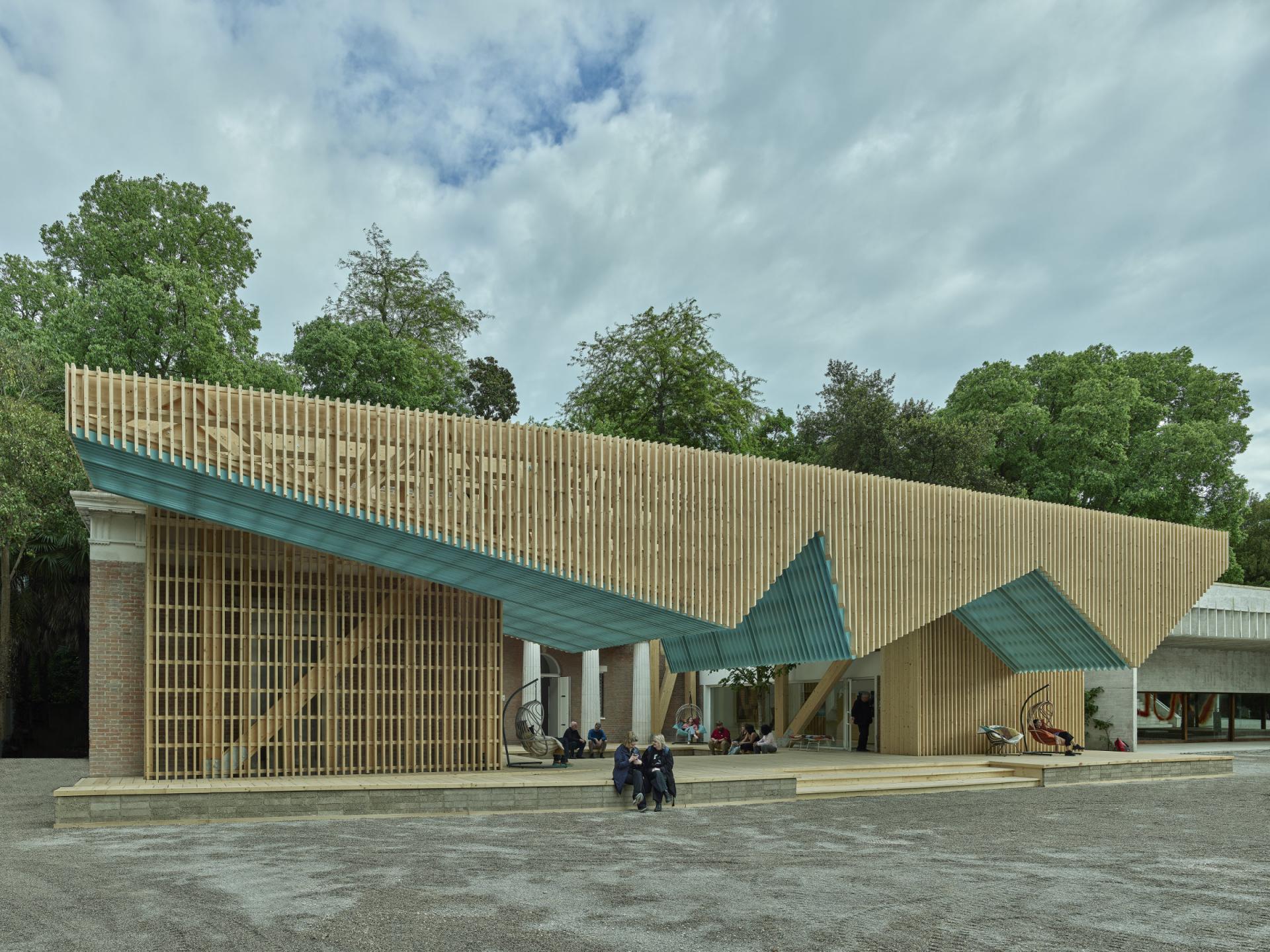
Photo: Tim Hursley, courtesy of the PORCH: An Architecture of Generosity organizers
For American Framing, the US Pavilion at the 2021 Venice Architecture Biennale, curators Paul Andersen and Paul Preissner erected a large accessible wooden structure in front of America's stone and brick pavilion in the Giardini. This year, curator Peter MacKieth, from the Fay Jones School of Architecture and Design at the University of Arkansas, and architect Marlon Blackwell have taken a similar approach, cantilevering a slatted canopy on a mass timber structure. The impetus was to create a shaded space—a large porch—for sitting, congregating, and the occasional performance, but the structure also screens views of the neoclassical pavilion that was designed by Williams Adams Delano and Chester Holmes Aldrich in 1930. The structure gives the U-shaped pavilion its own porch and turns its forecourt into a welcoming social space. Furthermore, it elevates vernacular and contemporary approaches to designing covered outdoor spaces over the classical or neoclassical images that may spring to mind when one thinks of the American porch.
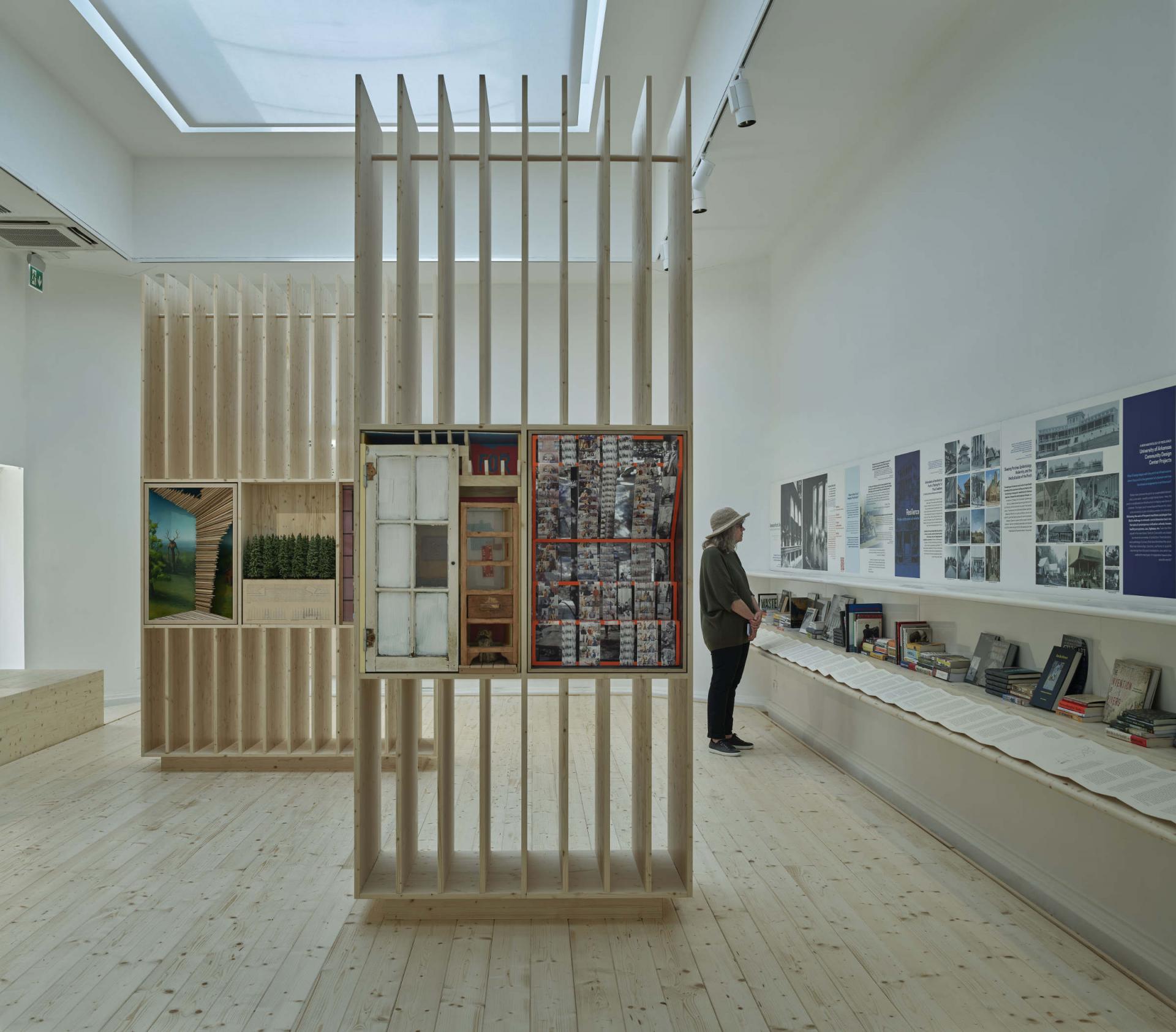
Photo: Tim Hursley, courtesy of the PORCH: An Architecture of Generosity organizers
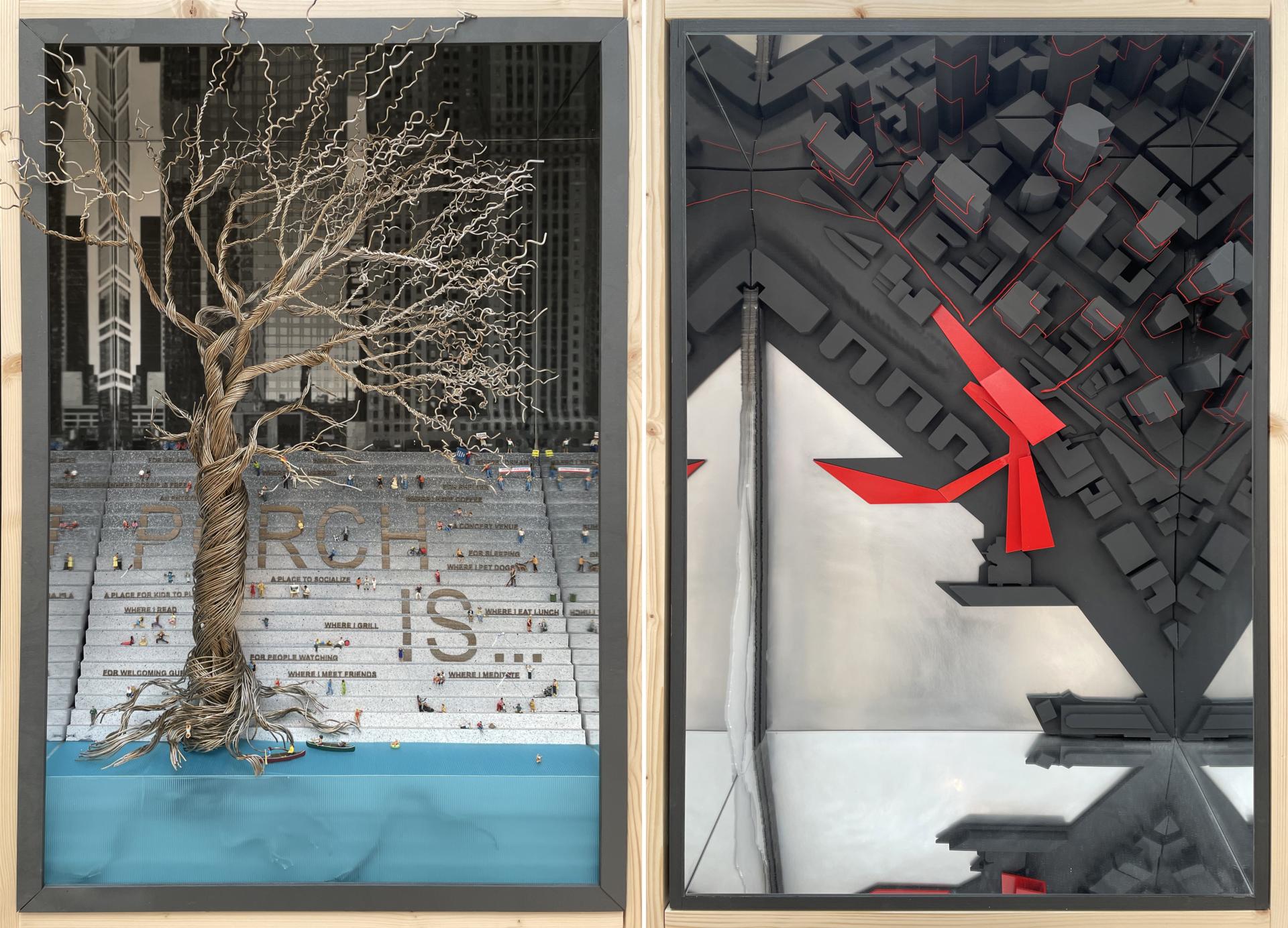
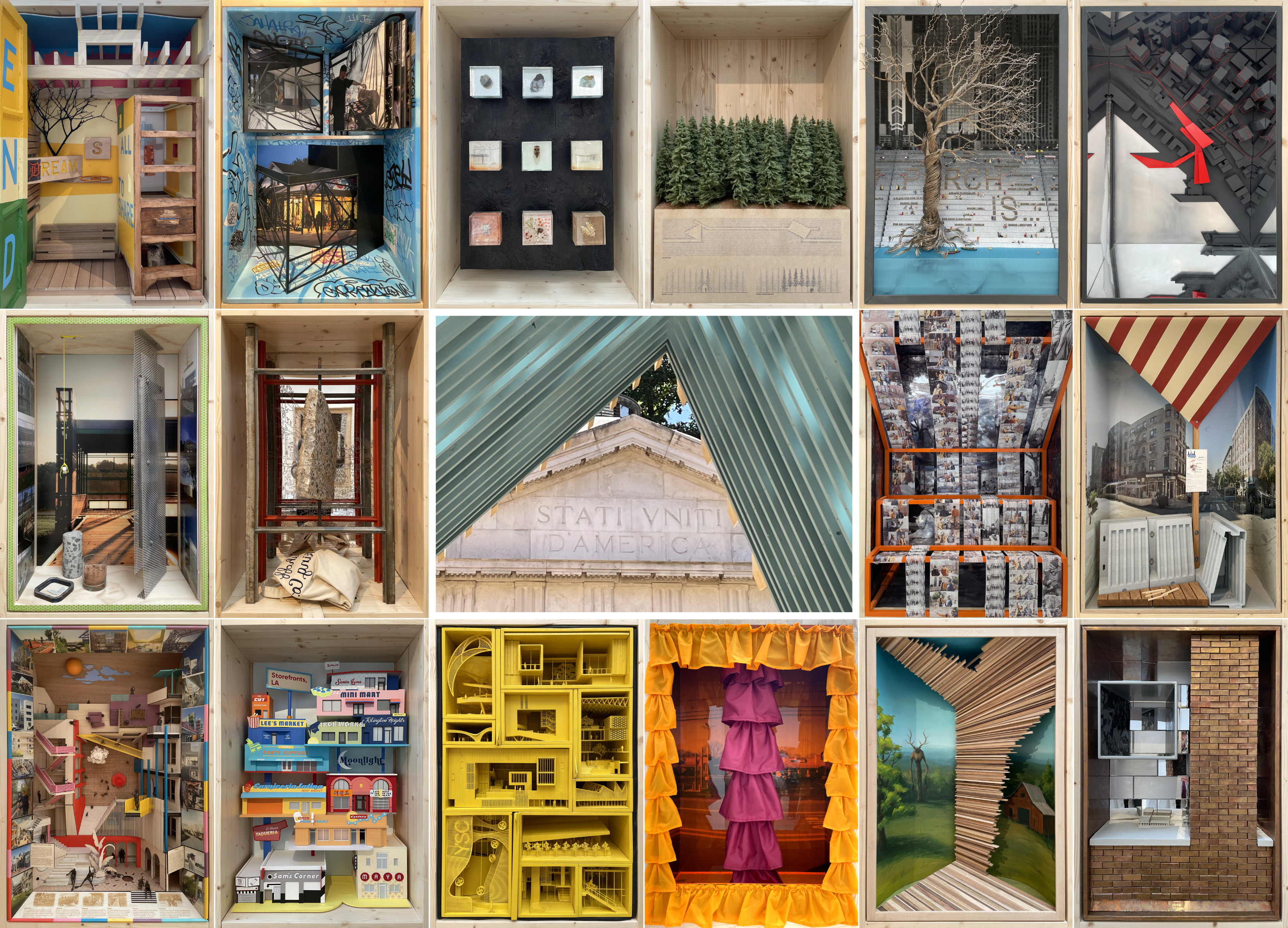
Inside, PORCH: An Architecture of Generosity features 54 contributions solicited from an open call, each one fitted into horizontal and vertical “Porch Windows,” in an exhibition design by Jonathan Boelkins. Together these windows capture the diversity of the United States, demographically and geographically, and of porches themselves, from their sizes and shapes, to their locations and purposes. Some of the displays express the designs of porches or porch-like spaces by architects, while others comment upon the social, environmental, and other roles porches serve today. World-Architects was drawn particularly to the vertical Porch Windows, which are positioned at eye height, are occasionally interactive, and have a depth that makes them spatial, not just flat representations. A few of our favorites are below, grouped into pairs based on shared traits, such as location, form, color, or apparent themes.
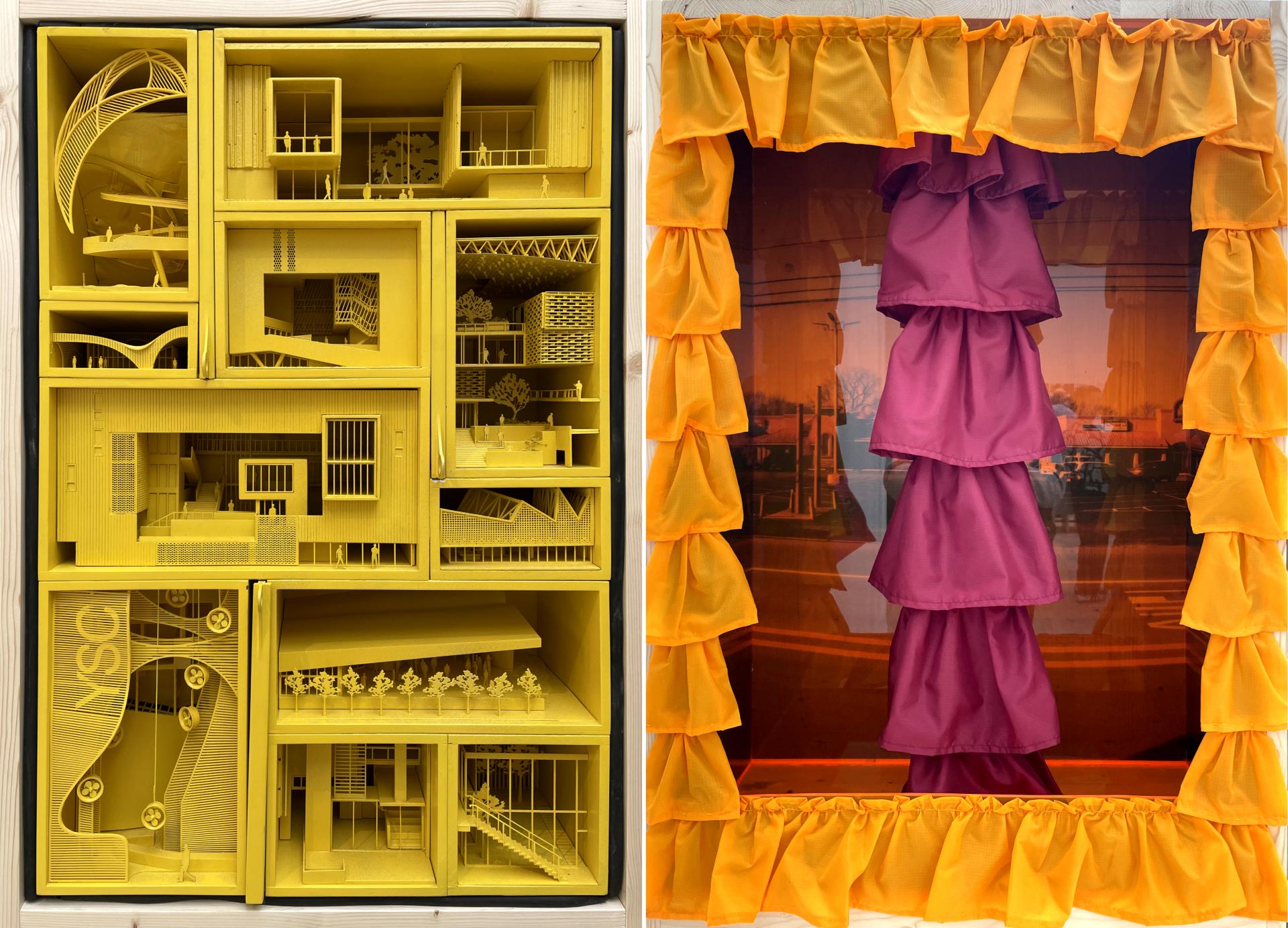
LEFT: “Canopies & Curiosities: An Architectural Wunderkammer” by Brooks + Scarpa (Los Angeles, CA)
RIGHT: “More Delicious, More Lovely, More Beautiful” by Danielle Hatch (Arkansas)
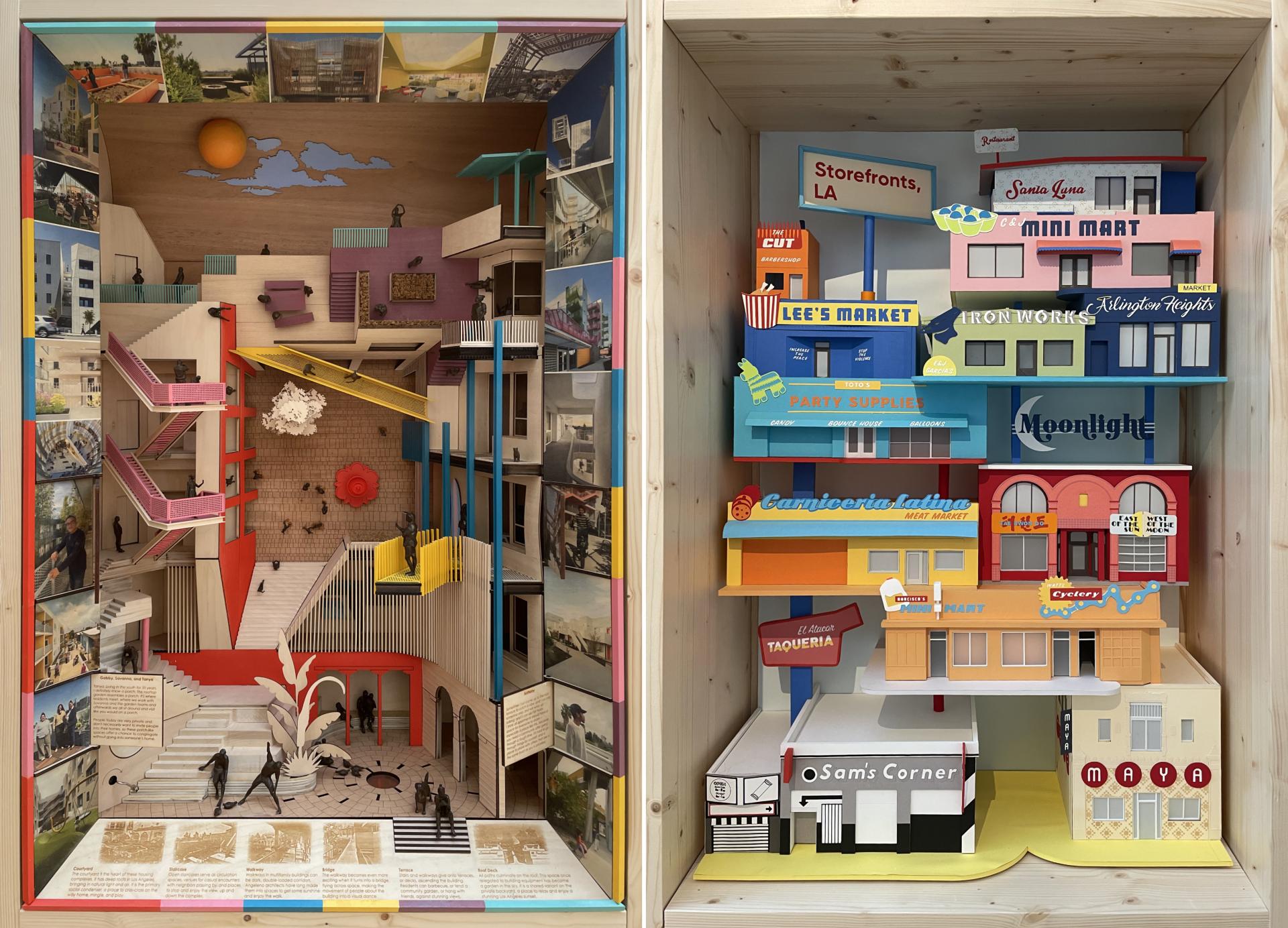
LEFT: “The Angeleno Porch: Six Social Spaces Shaping L.A.'s Affordable Housing” by Friends of Residential Treasures: Los Angeles (Los Angeles, CA)
RIGHT: “Storefronts, LA” by Office of: Office (Los Angeles, CA)
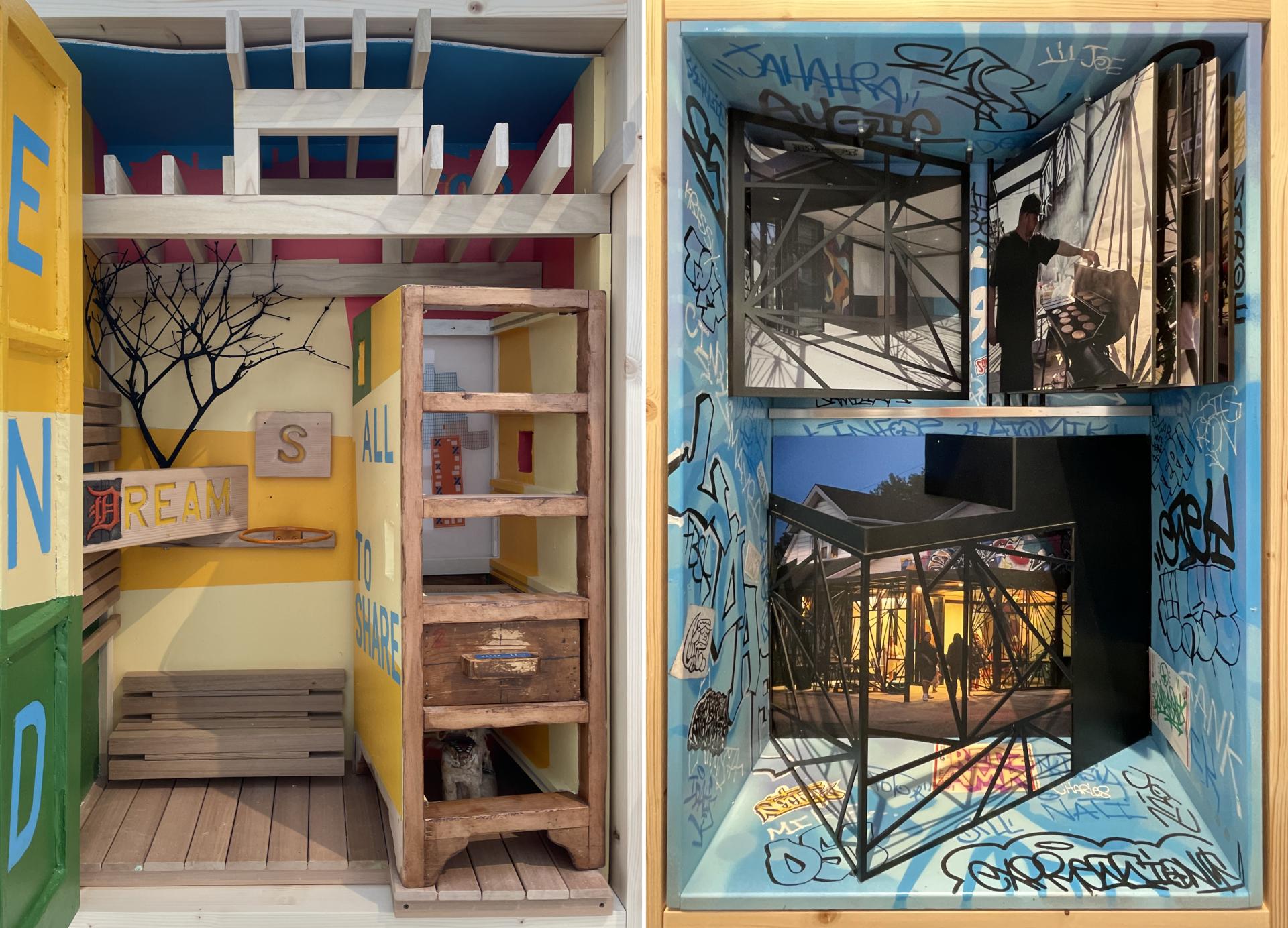
LEFT: “Neighbors' Pavilions” by Brightmoor Maker Space (Detroit, MI)
RIGHT: “Avis–Elsmere” by Detroit Collaborative Design Center, University of Detroit Mercy / Et al. Collaborative / Inside Southwest Detroit (Detroit, MI)
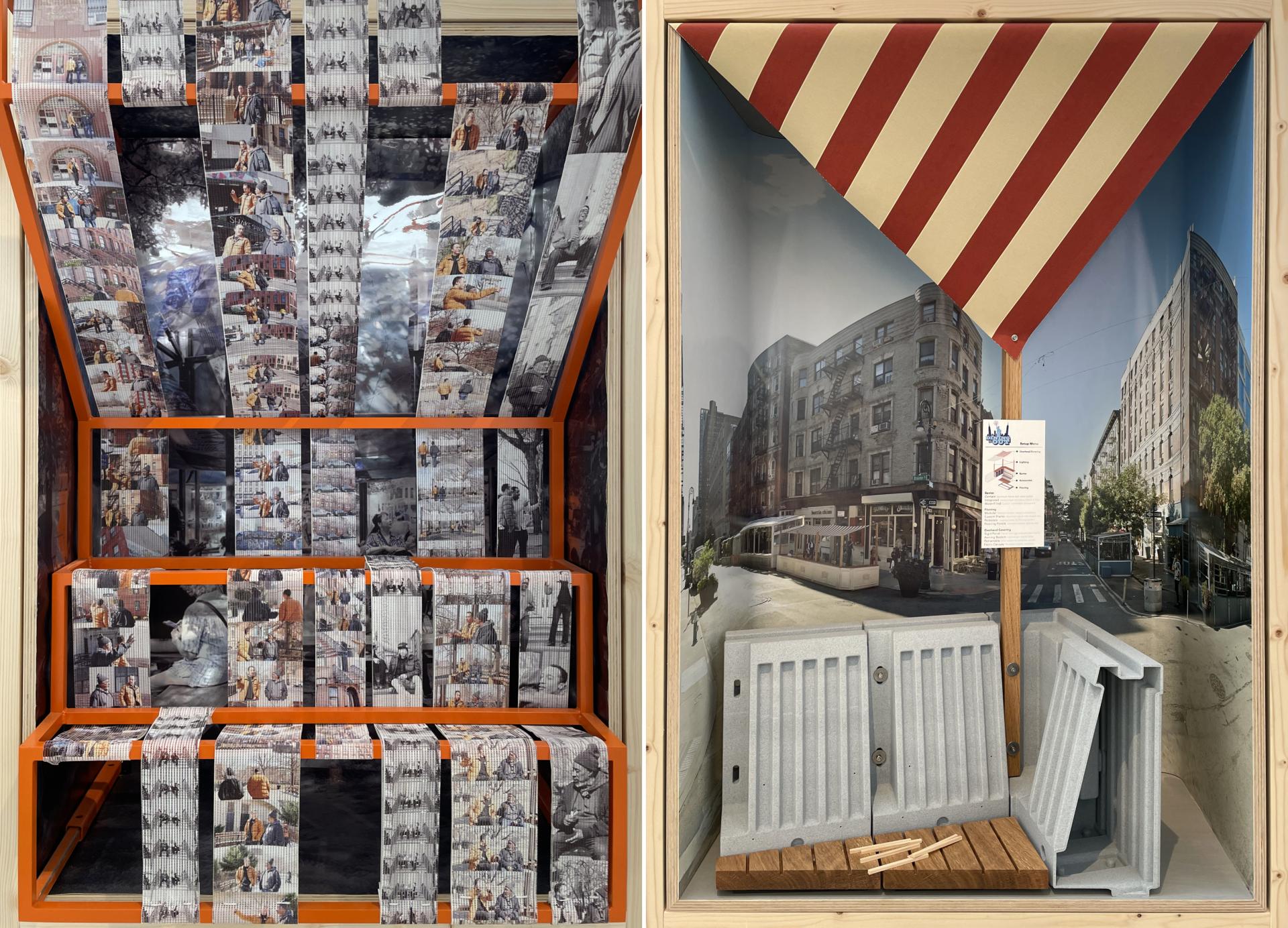
LEFT: “Sankofa: The Block, The Stoop” by Jerome Haferd Studio (New York, NY)
RIGHT: “What Makes a Porch Public? Enhancing Civic Life in New York City” by New York City Department of Transportation, WXY Studio, SITU (New York, NY)
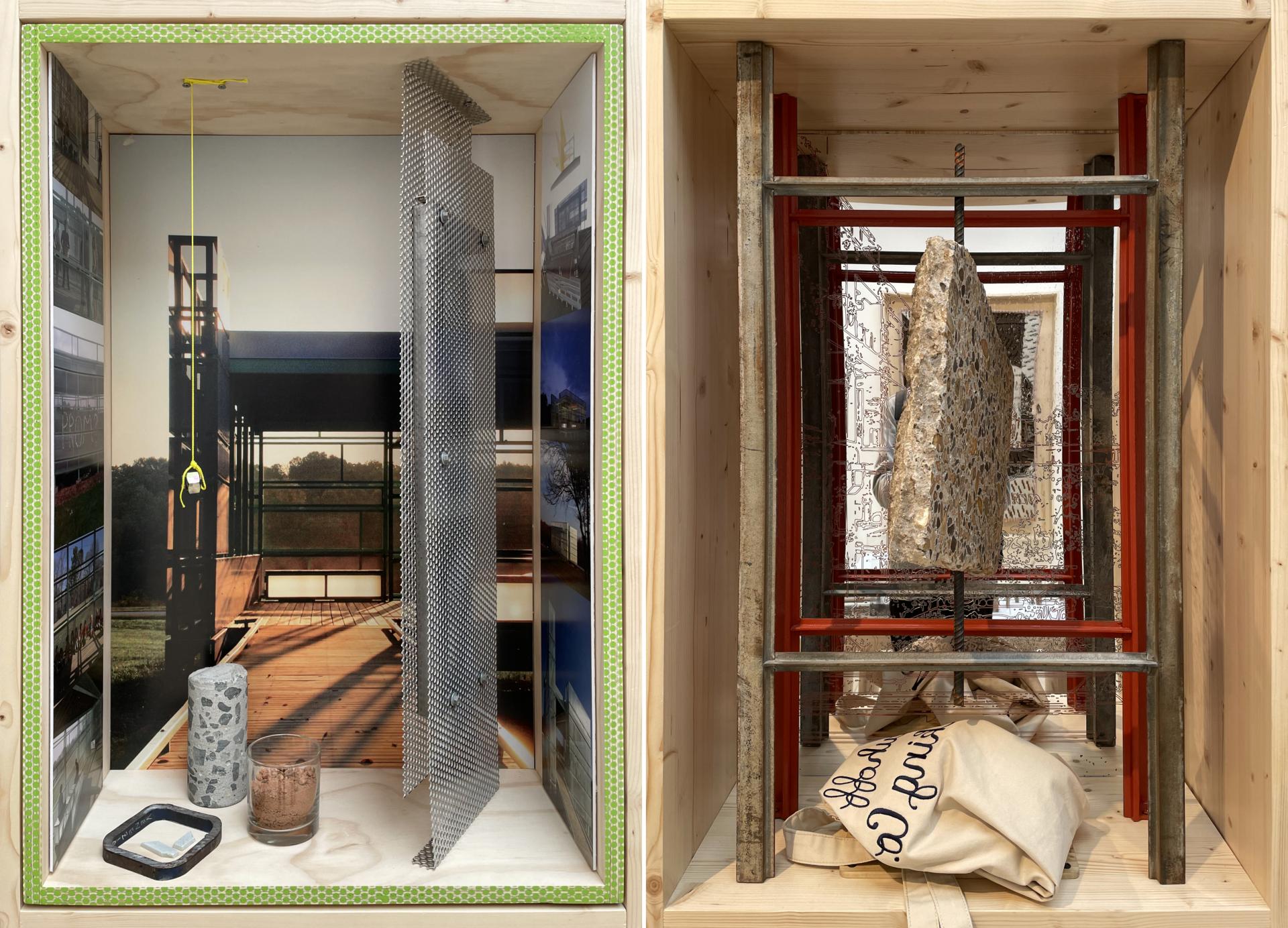
LEFT: “Art as Shelter” by Katherine Hogan Architects (Raleigh, NC)
RIGHT: “Neuhoff: Reviving the Soul” by Smith Gee Studio (Nashville, TN) + S9 Architecture (New York, NY)
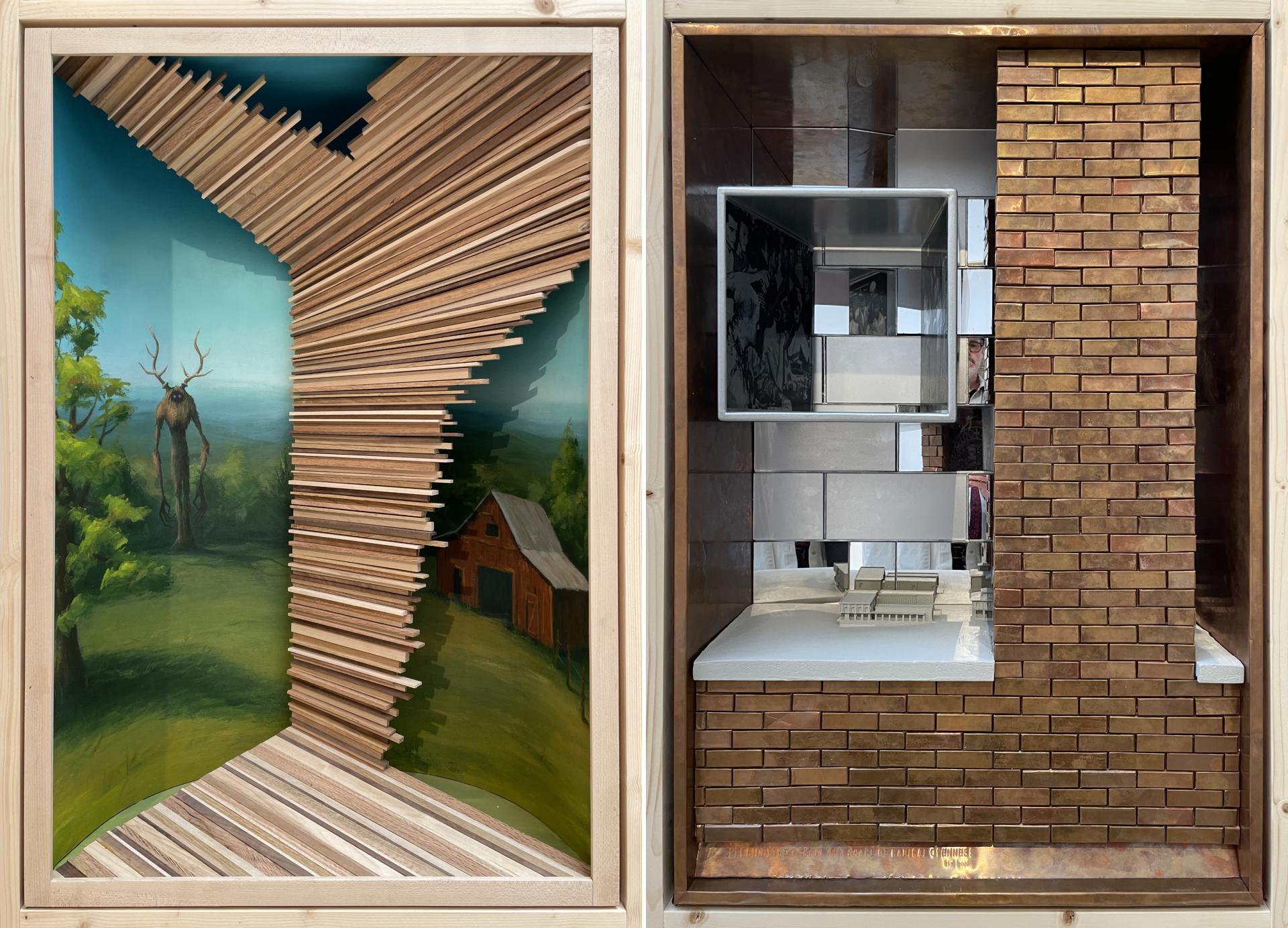
LEFT: “The Ozark Porch: Thresholds of Lore” by modus studio (Fayetteville, AR)
RIGHT: “Tougaloo College Academic and Civil Rights Research Center” by Duvall Decker Architects (Jackson, MS)
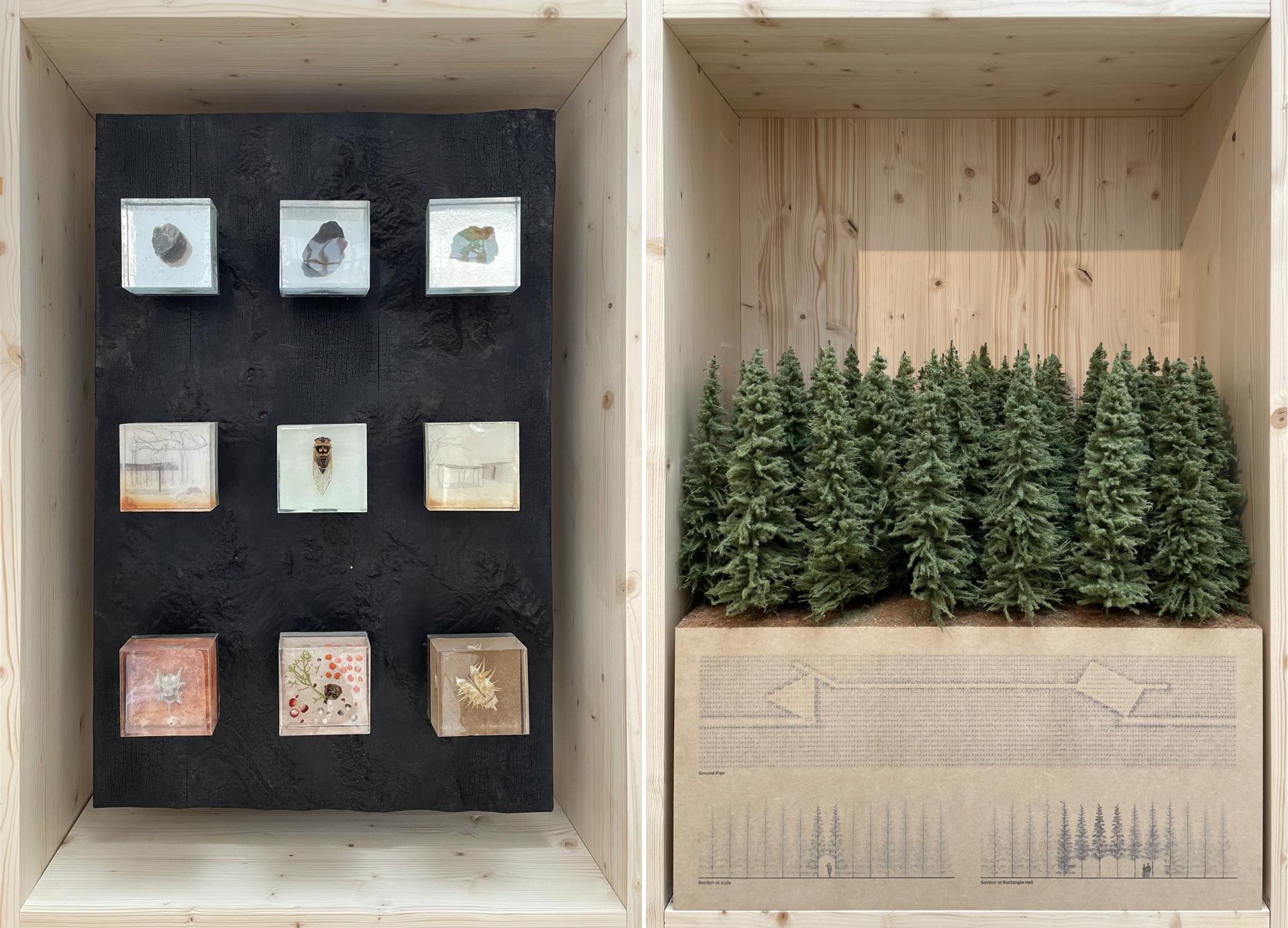
LEFT: “Between Earth & Sky” by DUST (Tucson, AZ)
RIGHT: “Understory—A Forest Porch” by Letter J (New York, NY)